























































To be blunt, when most companies think about signage, they think about their logo, colors, and looking good the first time. ADA Compliant Signage is usually relegated to the bottom of the list. That will be the beginning of the problem.
You’re lucky if you have not had to deal with a complaint of an ADA violation. However, luck isn’t a strategy. Every business owner should get a handle on ADA-compliant signage, not because they’re scared to, but because it actually makes sense. If you want experts who know this stuff inside and out, signarama is a solid place to check out.
So What Exactly Is ADA Signage?
Since 1990, the Americans with Disabilities Act has existed to ensure people with disabilities are not an afterthought in public places. A certain part of that law addresses signage.
Signs intended for use by and read by persons with vision impairment or other disabilities must comply with a specific set of rules. We call these rules ADA-compliant signage. By easy to read, we mean Braille, lettering, colour tones, and where on the wall it goes. It appears to have details, and it does. It won’t be difficult for you, once you understand it.
Why Should Your Business Actually Care?
Many business owners think ADA signage rules apply only to a hospital or a government office. As a result, many small businesses have incurred significant fines and legal costs.
If your place is open to the public, chances are you need to adhere to these rules. And beyond its legal aspect, think of your customers too. More than 61 million American adults live with some form of disabilities. People actually need to use the toilet, get to an office, or simply walk around your building, without having to ask where it is every 5 steps. Good signs provide them with independence.
There’s also the practical business angle. Fixing non-compliant signs after the fact; especially after a complaint or inspection; costs significantly more than just doing it right the first time. It’s one of those situations where cutting corners early creates a much bigger bill later.
The Actual Requirements You Need to Know
This is where people tend to get lost, so let’s keep it straightforward.
Braille
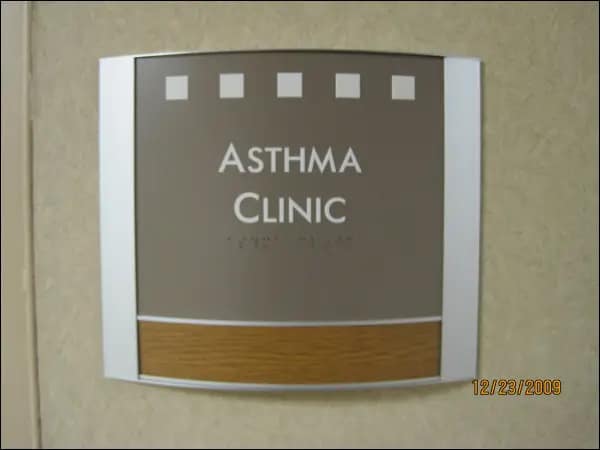
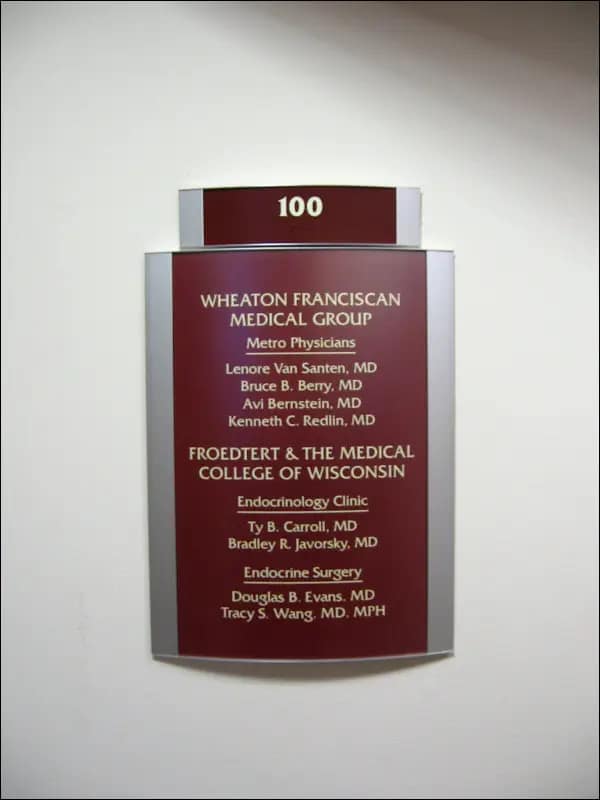
Any sign marking a permanent room or space must include Grade 2 Braille. Not Grade 1 — Grade 2. It’s the contracted version that uses shorthand symbols, and it’s the standard required by law.
Raised Characters
Letters and numbers on permanent signs must be physically raised off the surface; at least 1/32 of an inch. This allows someone to read the sign by touch if they need to.
Font Style and Size
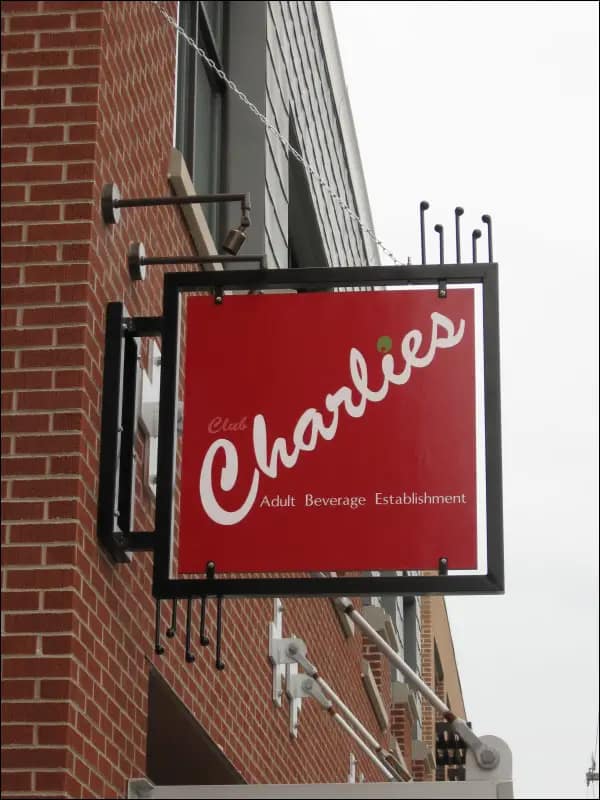
Forget decorative or script fonts. ADA requires simple, clean sans-serif lettering. While fancy fonts may look attractive on a menu board, they are not appropriate for a room identification sign.
Color Contrast
The difference in light reflectance of your text and background should be at least 70%. In simple words, dark on light, or light on dark refers to text color in website design. No mixing grey colours and beige on cream.
Mounting Height
The signs are placed on the wall beside the door latch side. The mounting height of the sign is between 48 and 60 inches above the floor. This range can be used by standing and wheelchair visitors.
Surface Finish
Only matte finish. Signs with surfaces that are reflective or glossy are harder to read for people with low vision.
Which Signs Actually Need to Be Compliant?
Not every sign in your building has to hit every single ADA requirement. Here’s a clear breakdown:
| Sign Type | Compliance Required? | What’s Needed |
| Permanent Room Signs | Yes | Braille, raised text, contrast |
| Restroom Signs | Yes | Pictograms, Braille, raised text |
| Exit Signs | Yes | High contrast, correct placement |
| Wayfinding/Directional | Partial | Readable font, good contrast |
| Overhead Hanging Signs | Partial | Font size, contrast |
| Temporary/Promo Signs | No | Nothing required |
Mistakes That Get Businesses in Trouble
Repeated mistakes occur even when business owners are trying to do the right thing.
Placing the sign on the door: It appears to be logical; it is a sign about the room; so it is on the door. The ADA guidelines state that the signage must be located at the wall beside the door on the latch side. Signages on doors itself are not in compliance.
Using the wrong Braille grade: Grade 1 Braille and Grade 2 Braille are different. Many generic sign manufacturers use Grade 1 because it’s simpler. ADA requires Grade 2. Always confirm this with your sign provider before ordering.
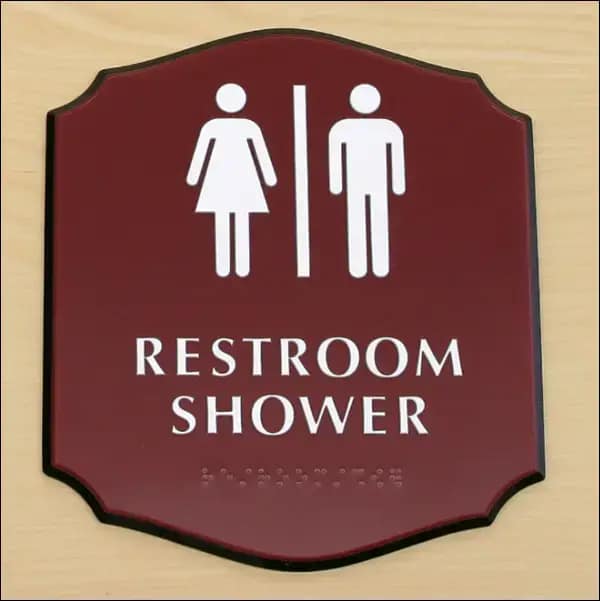
Ignoring pictograms: Restroom signs and certain other facility signs need pictogram symbols above the text. A lot of businesses skip this because they don’t realize it’s required.
Choosing colors by eye: What looks like a strong contrast to you might not meet the 70% light reflectance value difference required. Always verify the actual values rather than guessing.
Decorative fonts: Business owners love custom fonts that match their branding. That’s fine for marketing materials; not fine for permanent room signs.
A Practical Way to Get This Done
You don’t have to change everything at once. An approach that measures works just fine.
Walk through your whole building, writing down every permanent sign- what does it say, where it is installed, and what does it look like. Never miss out.
Then go through that list and check each sign against the basic ADA requirements. Placement, font, contrast, Braille, raised characters. You’ll likely find a mix; some signs that are fine, others that need updating.
From there, bring in a professional signage company. Don’t make the mistake of thinking you can do it yourself with this project. Mistakes are costly and details matter. A proficient sign company will be familiar with both federal ADA rules and additional codes that apply in your area.
Once your signage is updated, ensure you check compliance every two years at a minimum; particularly if you are going through renovations, rebranding or expanding.
Does Compliance Mean Ugly Signs?
No way. This is a question that arises quite a bit, and we wanted to tackle it head on.
Being ADA compliant doesn’t mean you have to have boring signs. By making use of the brand colors, logo, and materials that we use in your space, you can still work. The ADA rules govern specific technical elements; font type, contrast ratio, Braille, mounting height. There’s still plenty of room for creativity within those limits.
An excellent signage collaborator will assist you in designing a product that satisfies every legal requirement while still appearing to be at home in your setting.
Frequently Asked Questions – ADA Compliant Signage
Are my little business enterprises required to comply with ADA signage?
Most probably yes; if a space is open to the public or employees, it is most likely disability-friendly. The size of the business does not determine the compliance requirements.
Are the final signs on the door itself allowed?
Certainly not. According to ADA, signs should be mounted on the wall on the latch side, rather than on the door.
Do signs up to 15 days need to be21 compliant?
Certainly not. Temporary signs are exempted, but permanent signs are only regulated.
How often should your signage be audited?
This should be done every 2-3 years or when you renovate or make significant changes.
Can outdoor signs be non-compliant?
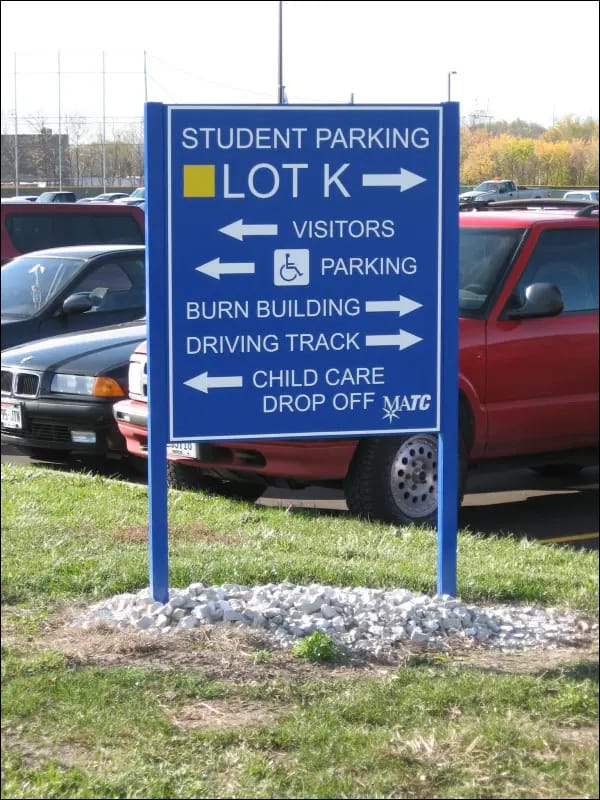
Not all the time Outdoor signage that depicts parking spaces, entrance locations, and directions is often ADA compliant as well.
What is the quickest option to achieve compliance?
Engage with a certified signage professional who already understands the standards; it saves time and makes costly mistakes less likely.
Wrapping It Up
Getting your signage right isn’t about ticking boxes to avoid fines, though that matters too. It’s about running a business that works for everyone who walks through your door. ADA Compliant Signage with the Americans with Disabilities Act is something that quietly sits in the background until there is a problem. And usually the fix is harder and costlier than it needs to be.
Make haste, but do it correctly. Are you stopping by? Nonetheless, it doesn’t seem like they responded to your call. Your customers, all of them, will notice; they just won’t say anything about it.
For professional signage that meets every standard without looking like an afterthought, Signarama has been helping businesses get it right for years. Visit them at Signarama and see what a difference proper signage can make for your business.