





























Every business looks different. A coffee shop doesn’t need the same signage as a warehouse. A dental clinic doesn’t need what a car dealership needs. That’s exactly why custom business signage solutions exist, signage built around what your business actually does, not a one-size-fits-all template pulled off a shelf.
Whether you’re opening your first location or rebranding an entire chain, the right signage makes your business easier to find, easier to trust, and easier to remember. This guide walks through what custom signage actually involves and how to get it right.
Why Generic Signs Don’t Work for Most Businesses
Off-the-shelf signs are cheap. They’re also forgettable.
Generic signage doesn’t account for your brand colours, your space, your industry, or what your customers actually need to see. It’s made for everyone, which means it’s made for no one in particular.
Custom business signage solutions flip that around. The sign is built for your space, your brand, and your customers from the start. That changes how your business comes across before anyone even walks through the door.
Here’s what generic signage usually gets wrong:
- Wrong size for the space, too small to notice or too big to fit properly
- Colours that don’t match your branding anywhere else
- No flexibility for your specific layout, lighting, or mounting needs
- Zero personality, nothing that makes your business stand out from the one next door
A custom approach solves all of this. And it usually costs less in the long run, because the sign actually does its job.
At Signarama, every project starts with understanding the business first, what it does, who it’s for, and where the sign needs to go.
Types of Custom Business Signage Solutions
There’s no single “type” of custom signage. It covers a wide range of formats, depending on what your business needs.
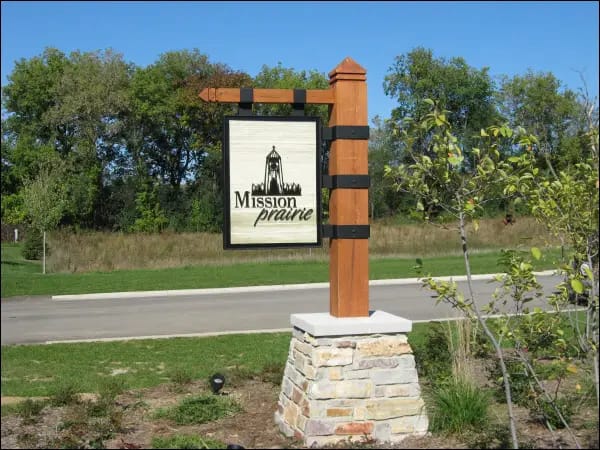
Exterior Signs
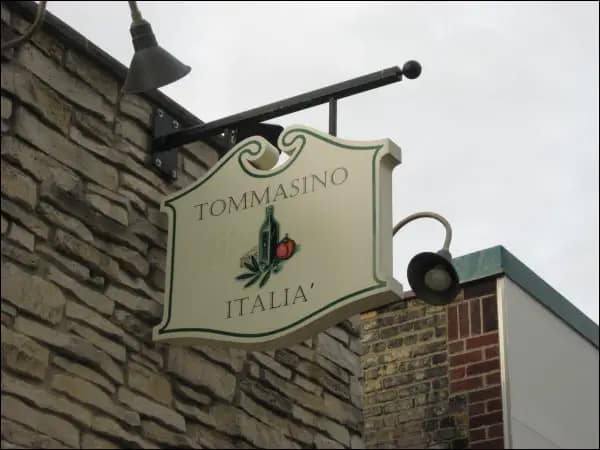
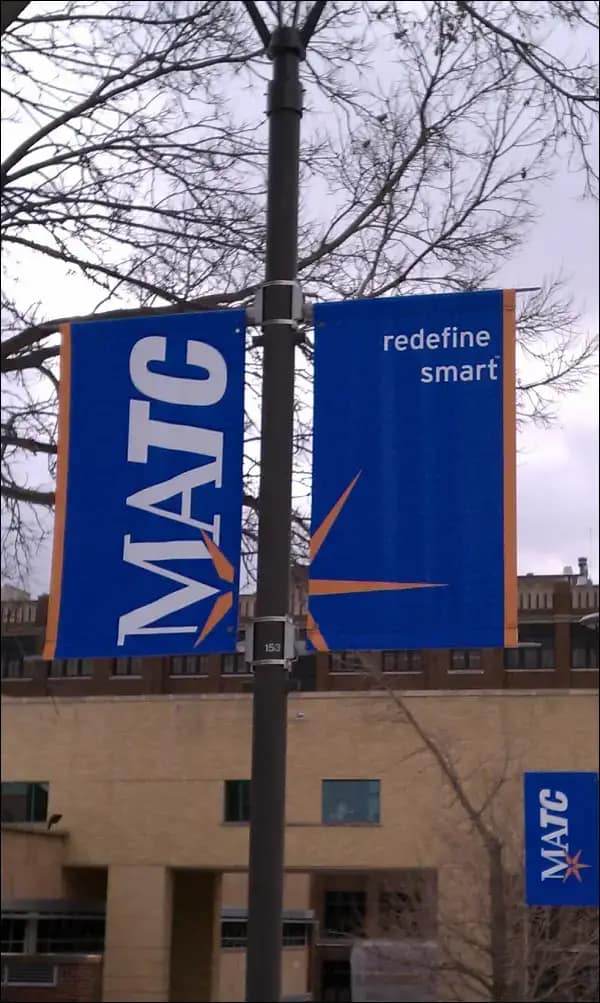
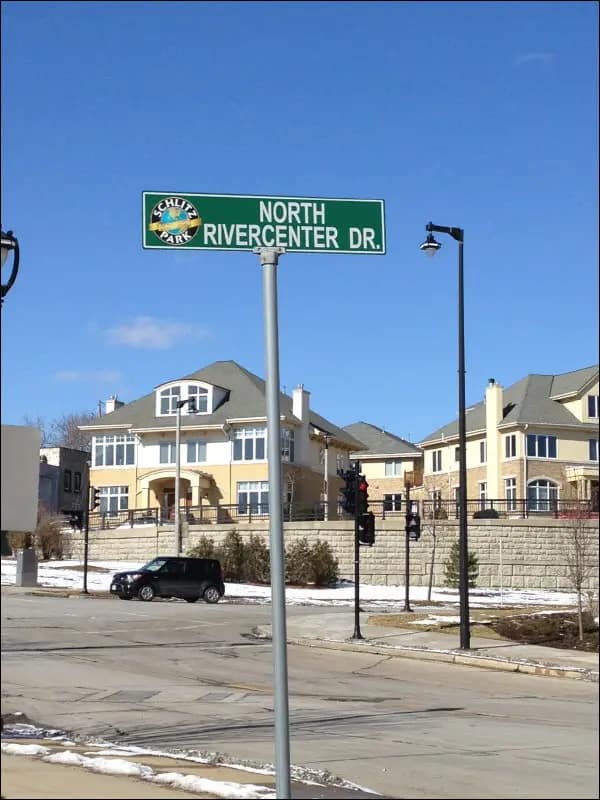
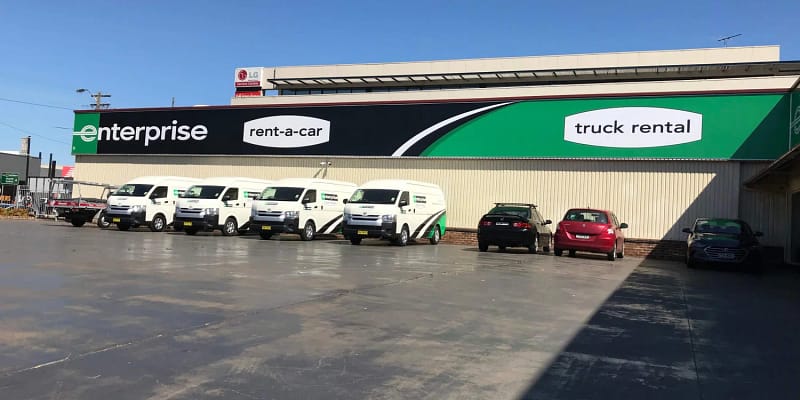
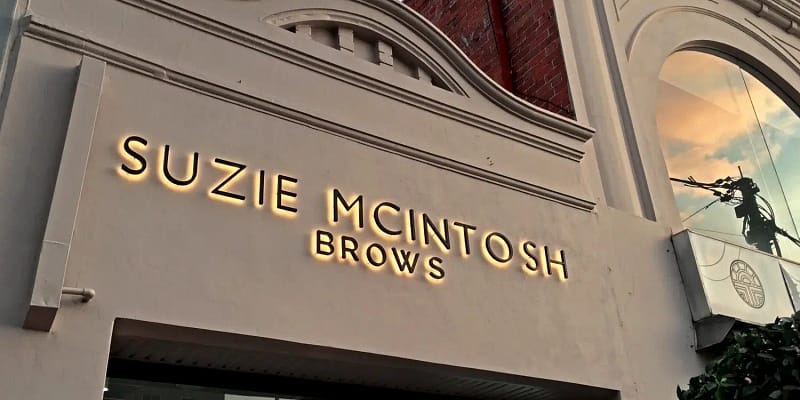
These are the first things people see. Storefront signs, illuminated channel letters, pylon signs near the road, and building-mounted logos all fall into this category. For most businesses, this is where the biggest investment goes, and where it matters most.
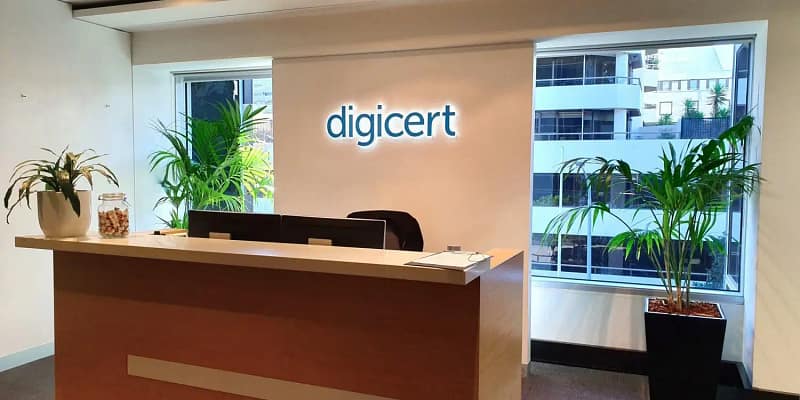
Interior Signage
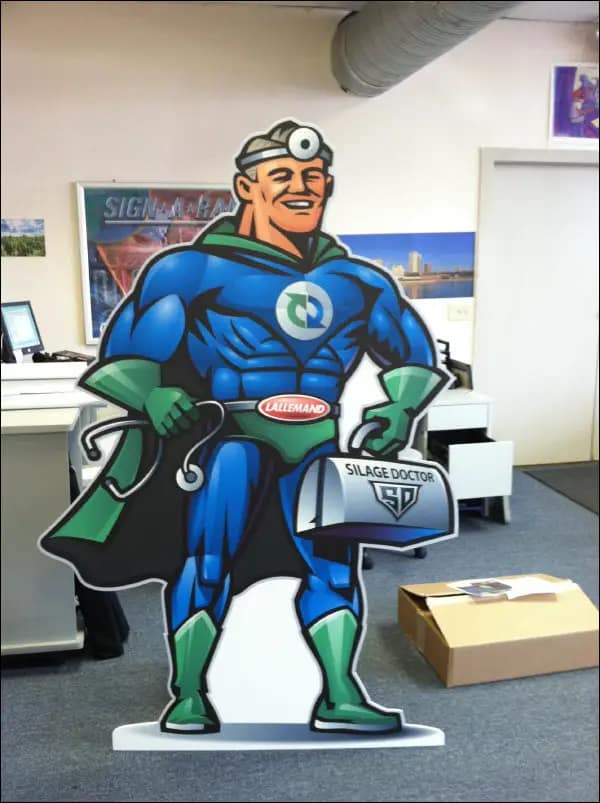
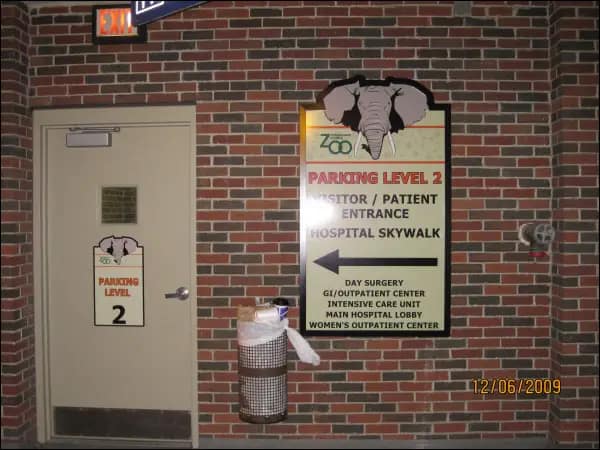
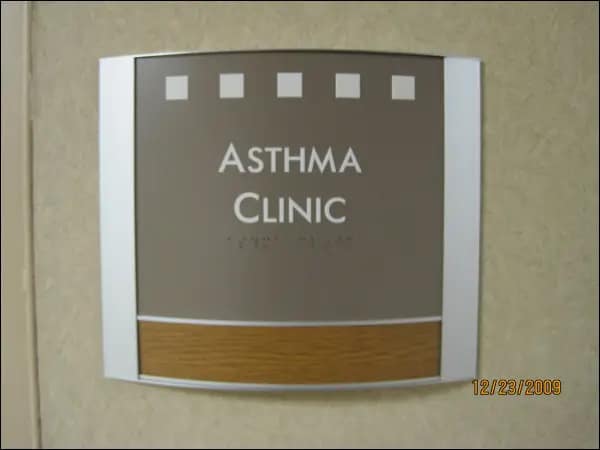
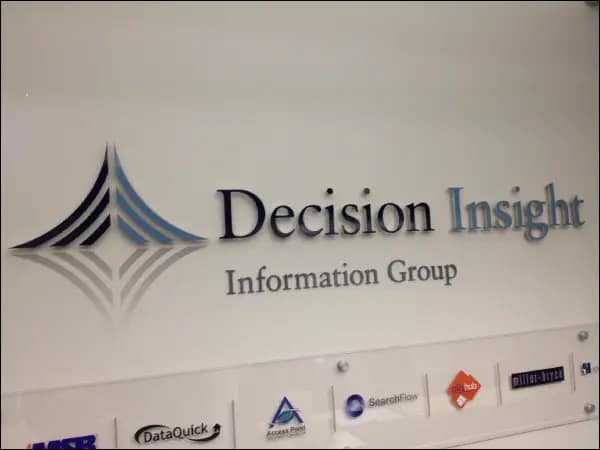
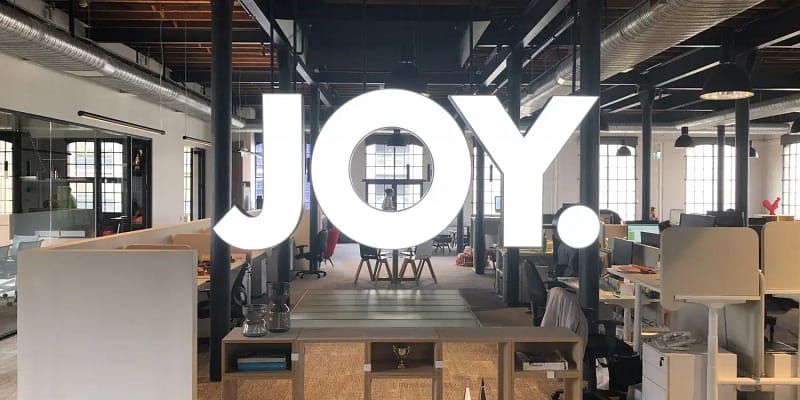
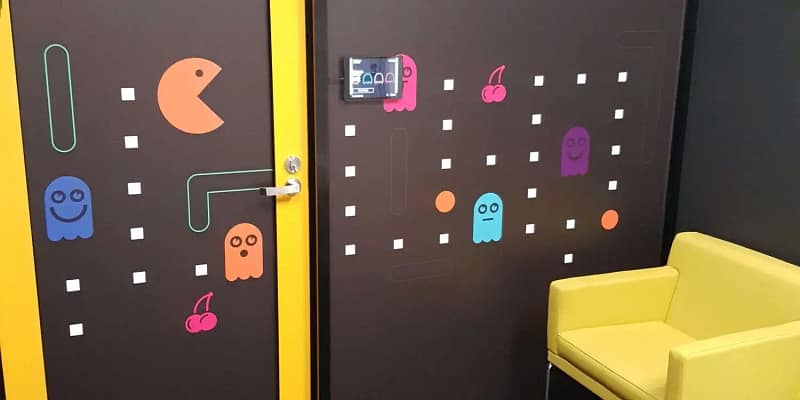
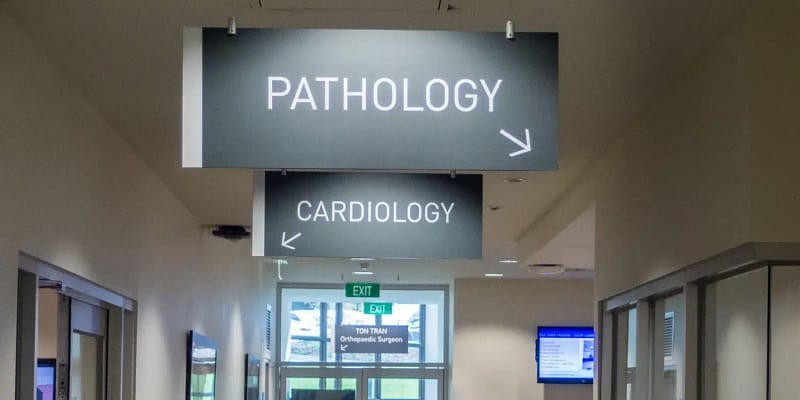
Once someone’s inside, signage keeps doing work. Reception signs, wayfinding signs, department labels, and branded wall graphics all shape how people move through and feel about your space.
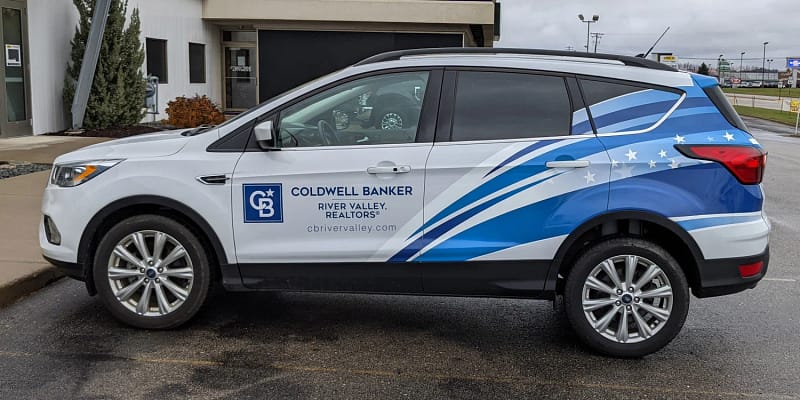
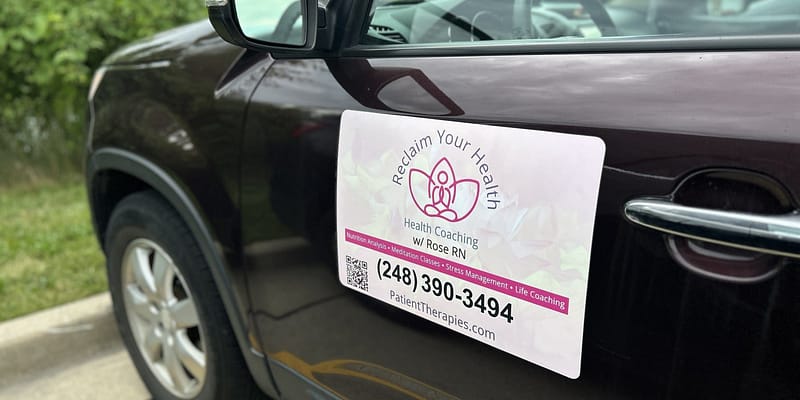
Vehicle Graphics and Wraps
A van or car with your branding on it becomes a moving advertisement. Every delivery, every site visit, every parking spot becomes free exposure. This is one of the most cost-effective forms of custom signage for businesses with any kind of fleet.
Window Displays
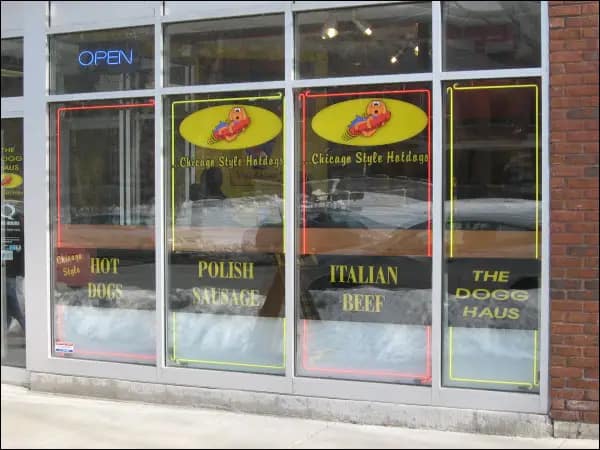
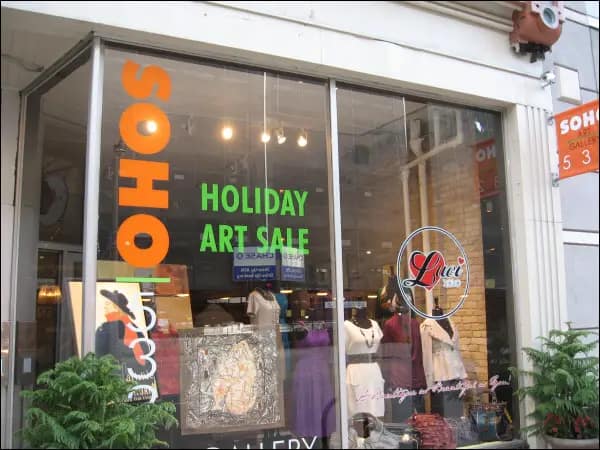
Window graphics, vinyl lettering, and promotional displays turn glass into marketing space. For retail businesses especially, this is prime real estate that often goes unused.
Trade Show and Event Signage
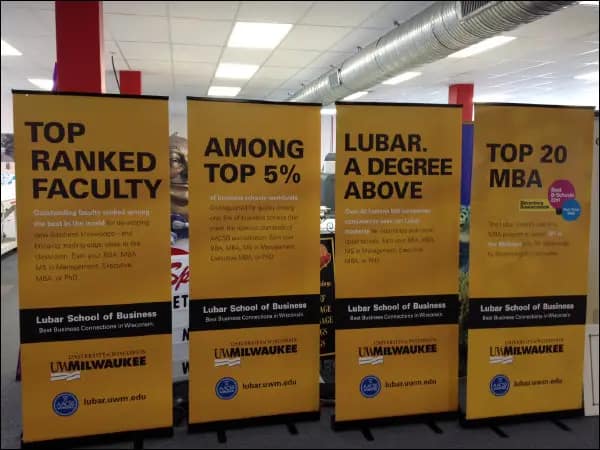
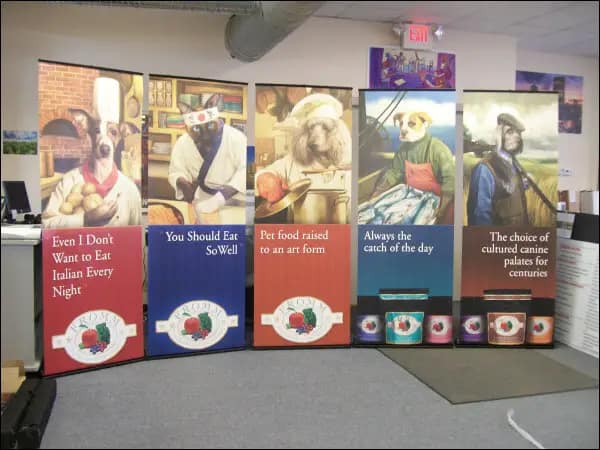
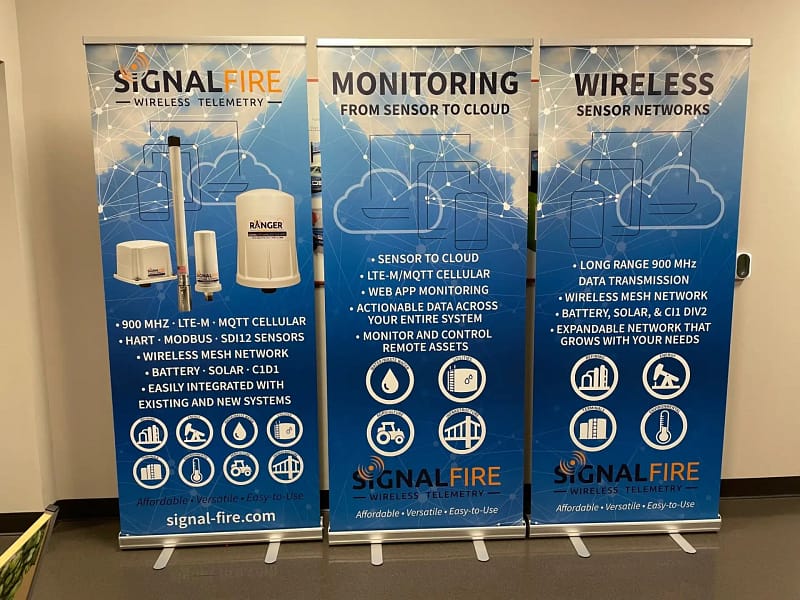
Banners, pop-up displays, branded backdrops, built specifically for events, conferences, and exhibitions. These need to be portable, durable, and able to make an impact in a crowded space.
Safety and Compliance Signage
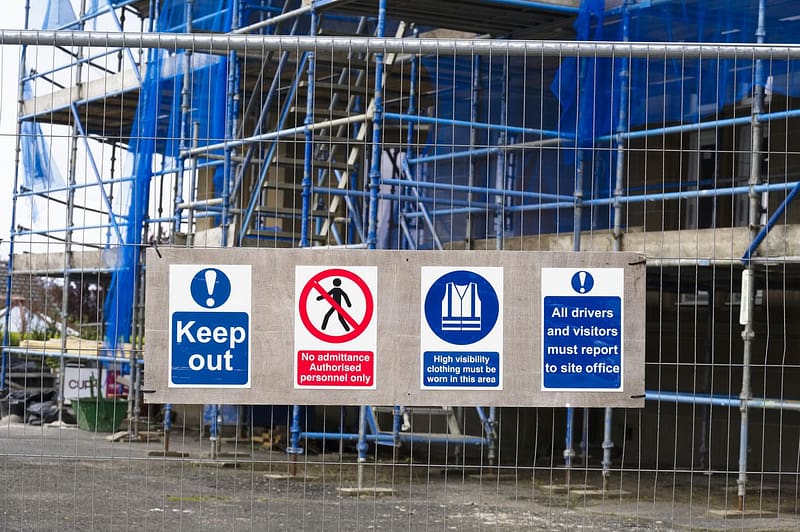
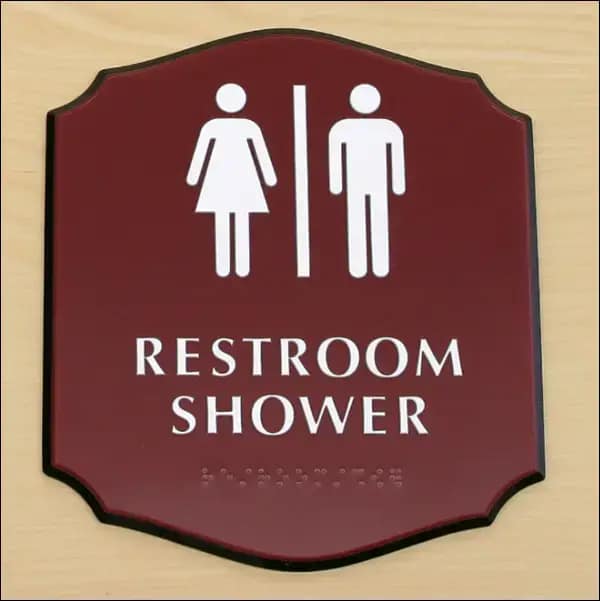
Not all signage is about marketing. Some of it is legally required, fire exits, hazard warnings, accessibility signs, and capacity notices. Custom signage means these can still match your branding while meeting every requirement.
Materials Used in Custom Business Signage Solutions
The material affects how a sign looks, how long it lasts, and how much it costs. Here’s a quick breakdown:
| Material | Best For | Durability | Cost |
| Acrylic | Indoor signs, reception areas | High | $$ |
| Aluminum | Outdoor signs, weather exposure | Very High | $$$ |
| Vinyl | Banners, window graphics, wraps | Medium | $ |
| Foam board | Indoor displays, temporary signage | Low–Medium | $ |
| LED/illuminated | Storefronts, 24-hour visibility | Very High | $$$ |
| Dibond | Outdoor permanent signs | Very High | $$$ |
Choosing the right material isn’t just about budget. It’s about matching the material to where the sign will live and how long it needs to perform.
What Makes Custom Signage Actually Work
A sign can be custom-made and still fail to do its job. Here’s what separates signage that works from signage that doesn’t.
Clear Visibility
If people can’t read it quickly, it doesn’t matter how nice it looks. Font size, colour contrast, and placement all need to support quick recognition, especially for signs people see while walking or driving past.
Brand Consistency
Your signage should look like it belongs with your website, your packaging, your uniforms, everything. Custom business signage solutions that match your full brand identity build recognition faster than signs that feel disconnected from everything else.
The Right Placement
Even a perfectly designed sign fails if it’s in the wrong spot. Height, angle, lighting, and surrounding clutter all affect whether people actually notice it.
Built for the Environment
Outdoor signs need to handle rain, sun, and wind. Indoor signs need to suit the lighting and traffic of the space. Custom signage accounts for all of this from the design stage, not as an afterthought.
The Sign Research Foundation has published research showing that well-designed, properly placed signage directly increases customer visits and brand recall, proof that good signage isn’t just decoration, it’s a real business asset.
The Process Behind Custom Business Signage Solutions
Getting custom signage made isn’t complicated, but it does follow a process. Here’s what to expect:
Step 1: Consultation
A designer or consultant learns about your business, your space, and your goals. What’s the sign for? Where will it go? What’s the budget?
Step 2: Site assessment
For exterior or large signs, someone visits the location. Measurements, lighting conditions, mounting options, and any permit requirements get checked here.
Step 3: Design
Concepts are created based on your branding and the space. This is where colours, fonts, materials, and layout come together.
Step 4: Approval and production
Once the design is approved, the sign goes into production. Timelines vary depending on size, materials, and complexity.
Step 5: Installation
Professional installation ensures the sign is mounted safely, looks right, and meets any local regulations.
Step 6: Maintenance
Signs need occasional cleaning, bulb replacements for illuminated signs, and repairs if damaged. A good signage provider offers ongoing support after installation too.
Common Mistakes Businesses Make With Signage
These come up again and again, and they’re all avoidable.
Going too small. A sign that’s too small for its location gets ignored. Size needs to match viewing distance, not just available wall space.
Ignoring local regulations. Many areas have rules about sign size, illumination, and placement. Skipping this step can mean fines or forced removal after installation.
Choosing cheap materials for outdoor use. A sign that fades or cracks within a year costs more in replacements than investing properly the first time.
No consistency across locations. For businesses with multiple sites, mismatched signage between locations weakens brand recognition. Custom business signage solutions should be standardised across every location while still adapting to each site’s specific layout.
Forgetting about lighting. A sign that’s invisible after dark misses half its potential audience. Illumination should be considered from the start, not added later.
How to Choose a Signage Provider
Not all signage companies offer the same level of service. Here’s what to look for:
- Full-service capability: design, production, and installation under one roof
- Experience across industries: different businesses have different needs
- Local knowledge: understanding of local regulations and permit processes
- Quality materials: ask what materials are used and why
- Ongoing support: maintenance and repairs after installation
- Portfolio of past work: real examples speak louder than promises
A provider who asks questions about your business before jumping to design options is usually a good sign. Custom business signage solutions work best when the provider actually understands what you do.
FAQs About Custom Business Signage Solutions
Do I need a permit for business signage?
Often yes, especially for outdoor and illuminated signs. A good signage provider will check local requirements as part of the process.
Can custom signage be updated later?
Yes. Many signs are designed with replaceable panels or sections, making rebranding or updates easier and cheaper than starting from scratch.
What’s the most durable signage material for outdoor use?
Aluminum and Dibond are both excellent choices for outdoor signage, handling weather well over many years.
Do small businesses need custom signage?
Yes. Custom doesn’t mean expensive. Even small businesses benefit from signage that’s properly sized, well-placed, and matched to their brand.
Can one company handle signage for multiple locations?
Yes. Many signage providers manage multi-location projects, keeping branding consistent while adapting to each site’s specific needs.
Conclusion
Signage is one of the most visible parts of any business, and one of the easiest to get wrong with generic, off-the-shelf options. Custom business signage solutions make sure every sign actually fits your space, your brand, and your customers. From storefronts and vehicle wraps to interior wayfinding and safety signage, getting it right means thinking through visibility, materials, placement, and consistency from the start.
Whether you’re a single location just getting started or a growing business with multiple sites, the right signage partner makes the whole process simple. If your current signage isn’t doing its job, it might be time to look at custom business signage solutions built specifically around what your business actually needs, and a team like Signarama can help bring that to life from the first conversation to the final installation.
