






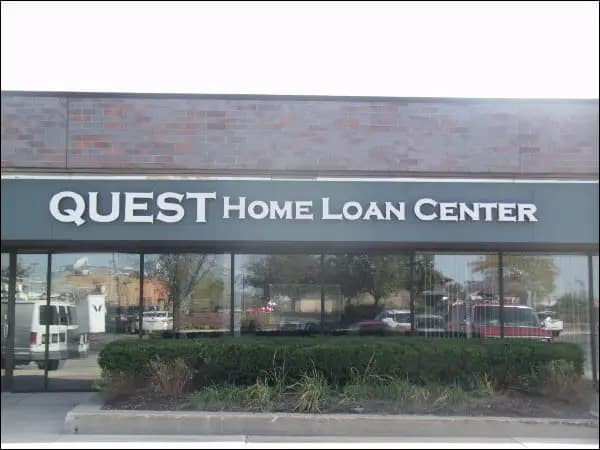
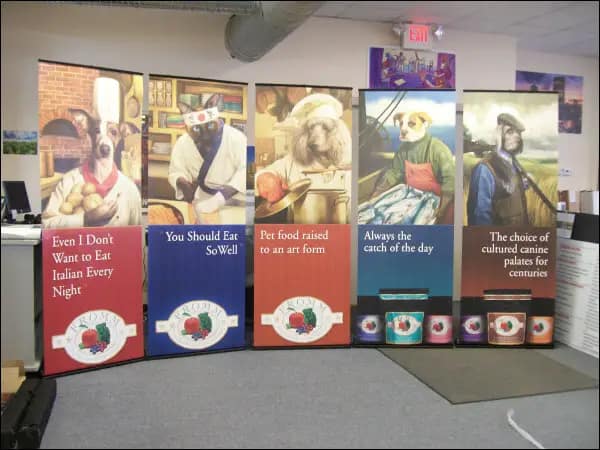
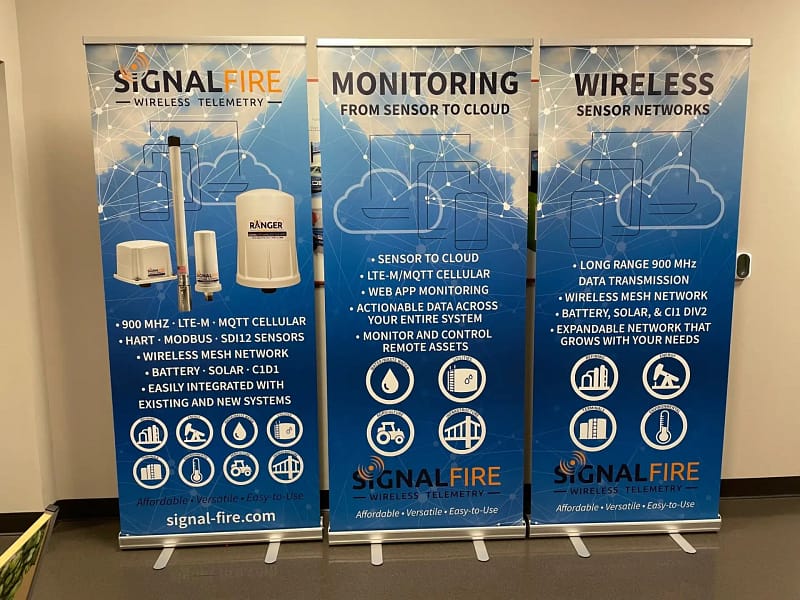
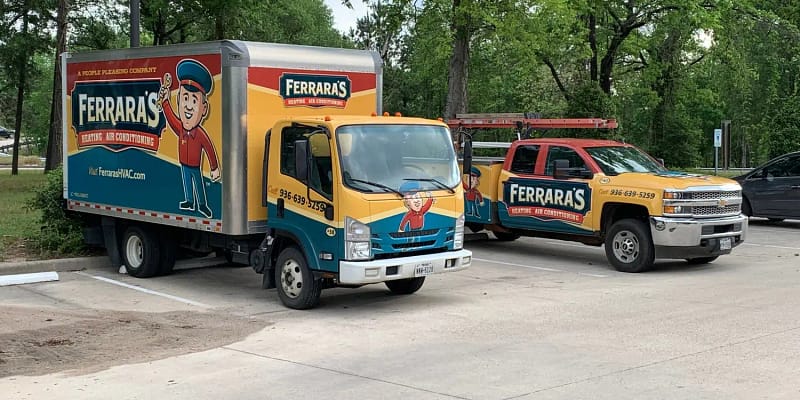








Business branding trends in Milwaukee is moving beyond a logo on a storefront. Businesses are now viewing the area around their brand as part of the customer experience. They link storefront signs, windows, interiors, vehicles, wayfinding, and other visuals. This helps create a more consistent identity.
That does not mean every Milwaukee business needs a larger or more elaborate sign. A key trend is intentional physical branding. This means choosing sign types, materials, lighting, graphics, and where to place them, so they align with how customers discover the business.
Milwaukee’s commercial environment also makes context important. The City of Milwaukee looks at several factors when assessing signage. These include zoning, overlays, historic designations, and architectural review areas. They also cover the type, size, and placement of signs. For businesses planning a new sign or rebrand, the design therefore has to work visually and within the requirements of the property.
Key Takeaways
- The key branding trend isn’t a specific color, material, or sign style. It’s about being consistent across all physical brand touchpoints.
- Dimensional lettering and well-designed illuminated signs can enhance storefronts’ visual appeal. This approach doesn’t depend solely on large graphics.
- Interior branding, window graphics, murals, and wayfinding can carry a brand beyond the building. They shape how customers feel about a space.
- Vehicle wraps and fleet graphics make company vehicles into moving brand assets.It is particularly useful for businesses that have multiple locations.
- Milwaukee’s zoning and historic-property rules can impact sign design. So, it’s important to consider these regulations before starting production.
- A good branding trend should boost recognition, visibility, navigation, or customer experience. It shouldn’t just make a business look trendy.
Table of Contents
- What Is Changing About Business Branding in Milwaukee?
- 1. Physical Branding Is Becoming More Connected
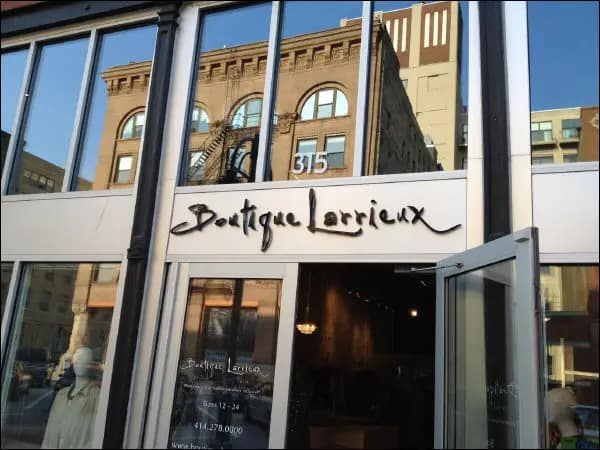
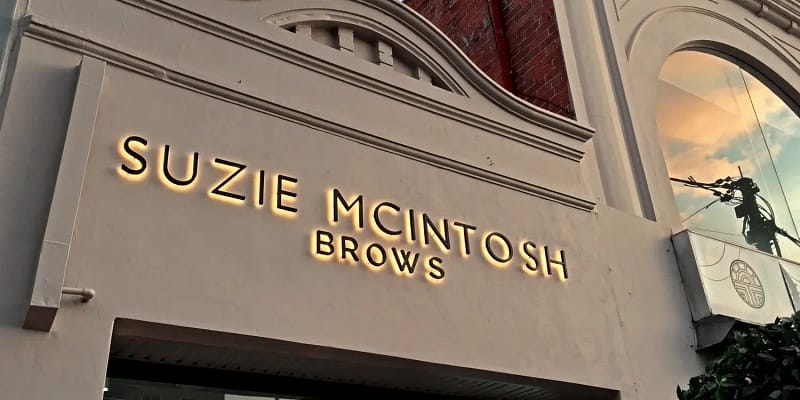
- 2. Dimensional Lettering Is Giving Storefronts More Depth
- 3. Illumination Is Becoming Part of the Brand
- 4. Storefront Branding Is Being Designed for the Surrounding Environment
- 5. Interior Branding Is Extending the Customer Experience
- 6. Vehicle Branding Is Becoming a Mobile Brand System
- 7. Wayfinding Is Becoming Part of Brand Experience
- 8. Local Character Matters More Than Generic Corporate Design
- 9. Flexible Graphics Are Useful for Changing Business Environments
- 10. Milwaukee Sign Regulations Need to Be Part of the Design Process
- How Should a Milwaukee Business Choose Which Branding Trends to Adopt?
- When should you update your company branding?
- Frequently Asked Questions
- Final Takeaway
What Is Changing About Business Branding in Milwaukee?
The biggest change is a shift from individual signs to connected brand environments. A storefront may be the first visual contact a customer has with a business, but it is rarely the only one. A customer might see the outside sign, read the window graphics, and walk through the lobby. They may follow the signs and spot branded staff vehicles. Then, they can find the same company online.
When those elements seem unrelated, the business may feel inconsistent, even if each piece is made professionally. When they use similar typography, colors, logo style, images, and visual balance, the physical space supports the brand.This matters in Milwaukee. Commercial properties differ a lot in scale, design, location, and customer traffic. A design for a suburban service business might not suit a compact storefront, professional office, restaurant, or multi-tenant commercial property.
The useful question is therefore not, “What is the newest sign trend?”
It is:
What physical branding choices will help people remember, recognise and understand this business? That distinction is the foundation for the trends below.
Physical Branding Is Becoming More Connected
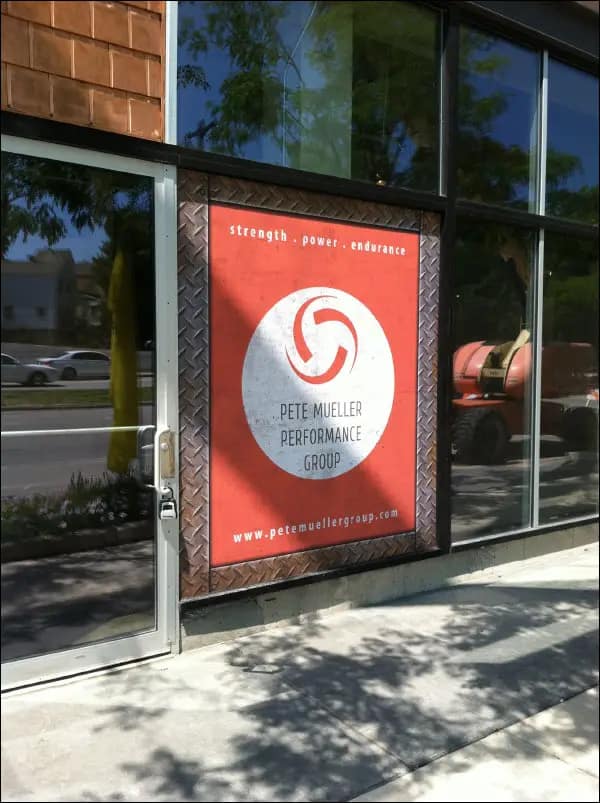
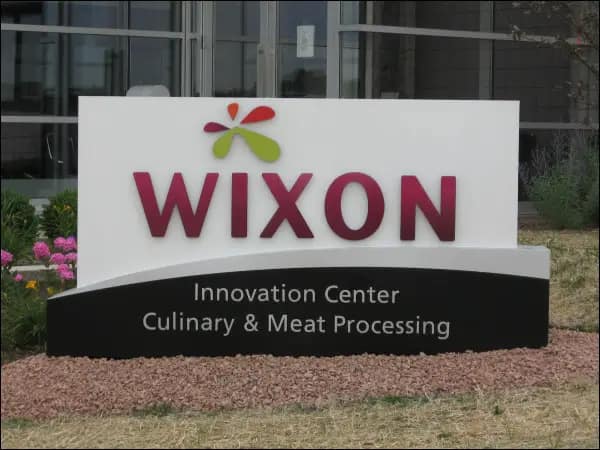
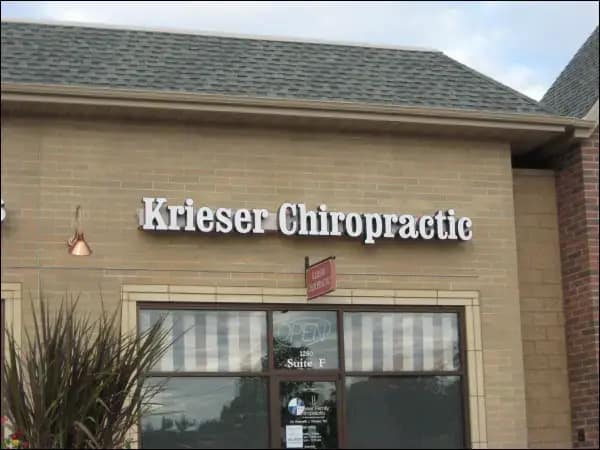
One of the most useful branding trends is treating signage as a system rather than a collection of unrelated products. A business might use a storefront sign outside, dimensional lettering in the lobby, branded window graphics, directional signage inside the building, and vehicle graphics for its service fleet. Each serves a different function, but customers should still recognize them as belonging to the same company.
This approach is sometimes described as environmental or physical brand consistency. It is not necessary to make all surfaces identical. The brand’s key visual elements stay clear, but each use is tailored to its place and purpose. A storefront might need to stand out from the street, but a lobby sign should look more polished for closer viewing. A vehicle wrap needs to be clear for moving traffic, but an interior wall graphic can share more detailed info.
The design principle is simple: same brand, different application. For businesses considering a rebrand, this creates an important opportunity. The business can look at all the physical touchpoints customers see. Instead of just changing one sign, they can find where consistency will help the most.
Dimensional Lettering Is Giving Storefronts More Depth
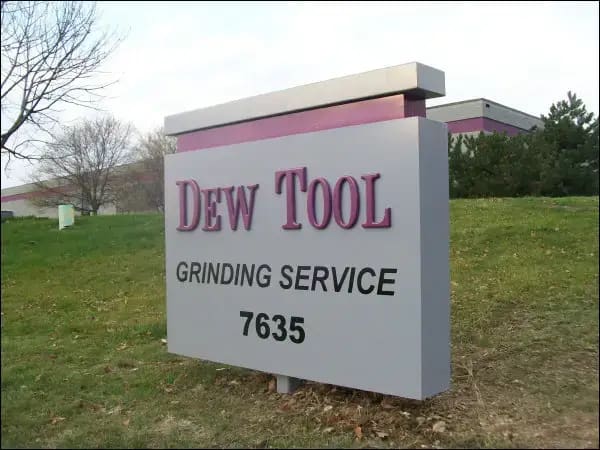
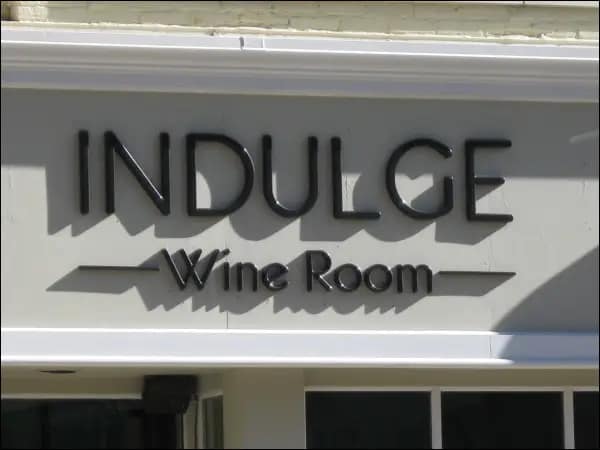
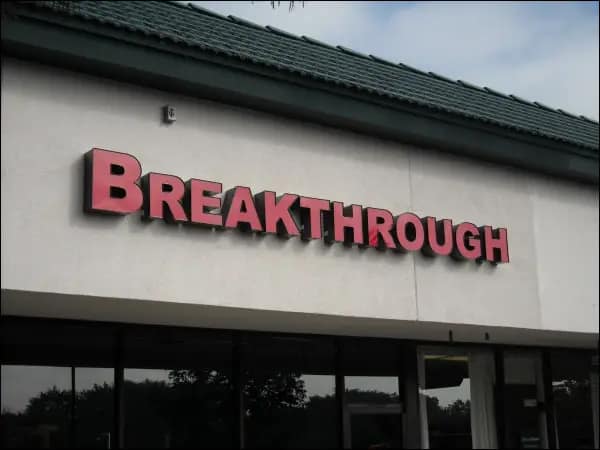
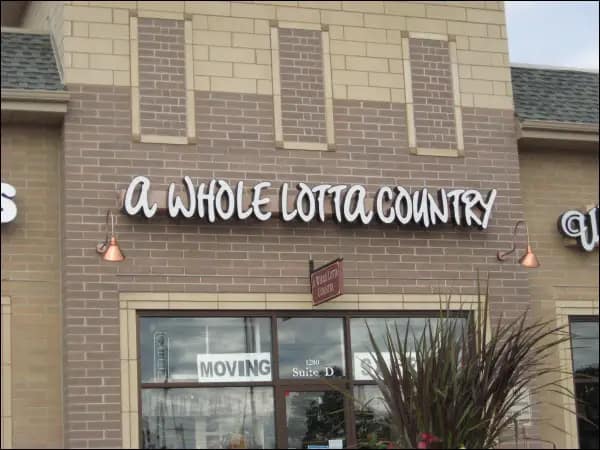
Dimensional lettering is not replacing flat sign faces; it provides a new way to create visual separation. Individual letters and logos can introduce depth, shadows, contrast, and material variation. Dimensional elements can be made from materials like aluminum, acrylic, or other fabricated parts. This depends on the building and design.
The Milwaukee sign environment is key here. The City states that zoning rules can permit larger signs in specific cases. This is true when signs have better quality features, like individual letter signs. The City also emphasizes that signage should complement the building or site and fit its setting and local context.
That does not mean dimensional lettering is automatically better. A large dimensional logo can still be poorly proportioned, difficult to read, or inappropriate for the building. A better approach is to think about viewing distance, wall space, architectural features, contrast, lighting, and how much information customers really need. A clear, simple logo often communicates better than a complex sign with too many messages.
Illumination Is Becoming Part of the Brand
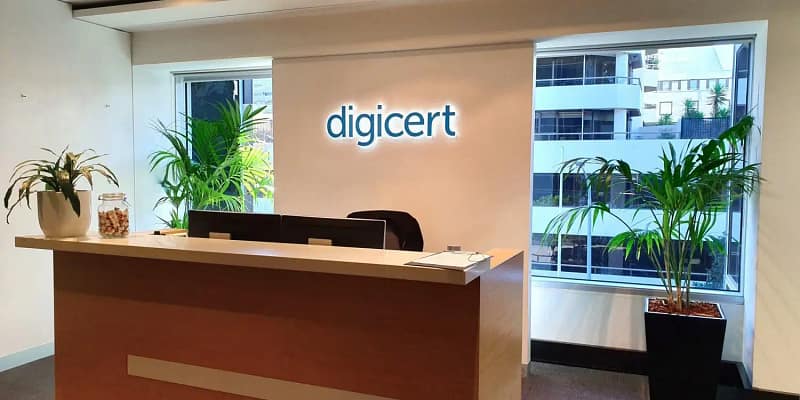
Illumination is no longer only about making a business visible after dark. The type, direction, intensity, and placement of lighting can influence the character of a storefront. Backlit dimensional letters, channel-style lighting, and LED elements can create various visual effects. A restaurant, retail store, office, and entertainment business each need a unique approach.
The important distinction is between illumination for visibility and illumination as visual identity.A sign that is simply brighter is not necessarily better. Excessive brightness, poor contrast, or competing light sources can make a design harder to read. The goal is controlled visibility that supports the brand.
Signarama Milwaukee lists illuminated dimensional letters, box signs, monument signs, bracket signs, lobby signs, and LED neon among its available sign categories.
When a business thinks about an illuminated sign, it should consider several factors. These factors include viewing conditions, nearby lighting, mounting location, building design, ease of maintenance, and local regulations. Illumination shouldn’t be seen as just an automatic upgrade.
Storefront Branding Is Being Designed for the Surrounding Environment
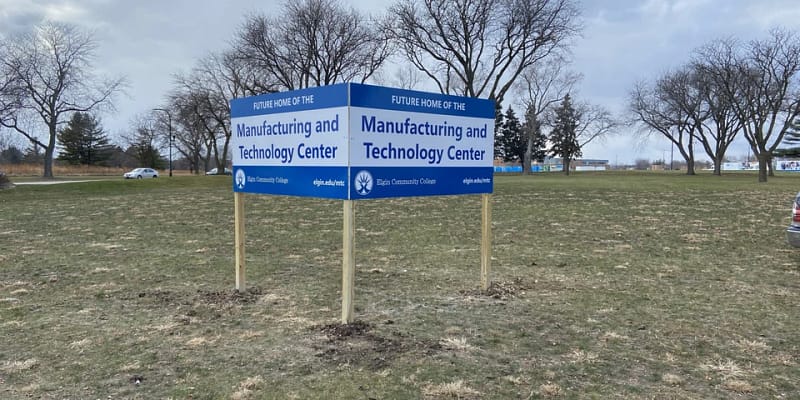
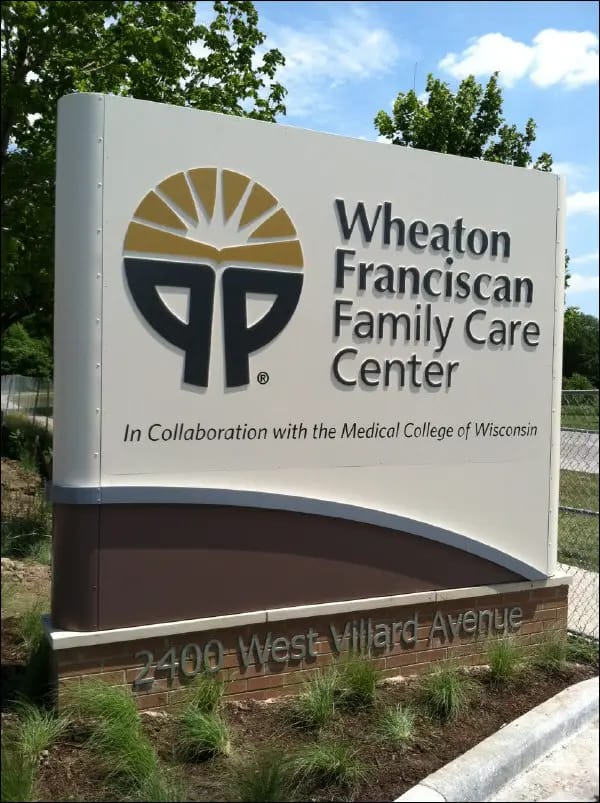
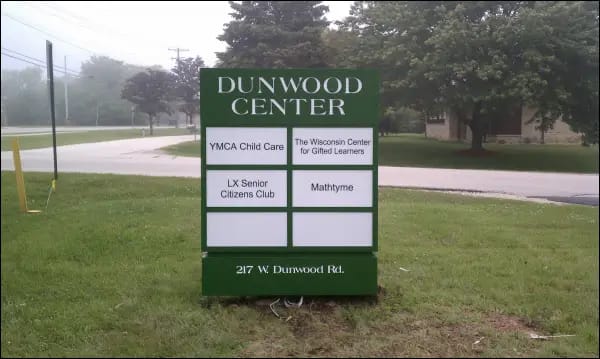
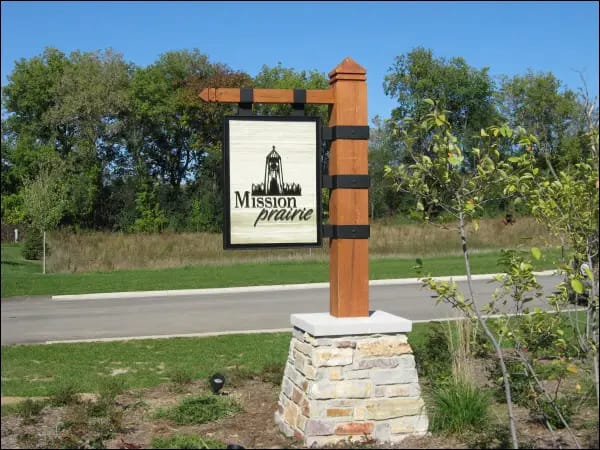
A storefront sign does not exist in isolation. Customers see it near a building facade, other businesses, sidewalks, parking areas, street traffic, landscaping, and various distractions. That means branding effectiveness depends partly on context.
Milwaukee’s downtown environment is also changing. Milwaukee Downtown reports that over 7,000 jobs have moved to or are committed to the area since 2020. Also, the downtown residential population has increased by 21.2% since 2010. The organization also reports more than 2,000 additional residential units under construction.
These figures do not prove that a particular sign style is becoming popular. They do provide useful context for businesses in changing markets. The audience that sees a storefront can shift as the area around it changes.
That makes adaptability important. A business should consider who sees the sign, from where, and at what speed. A pedestrian walking by a shop sees things differently than a driver nearing an intersection. A business in a multi-tenant property might need a different ID than one in a standalone building.Good storefront branding starts with those viewing conditions before selecting the sign format.
Interior Branding Is Extending the Customer Experience
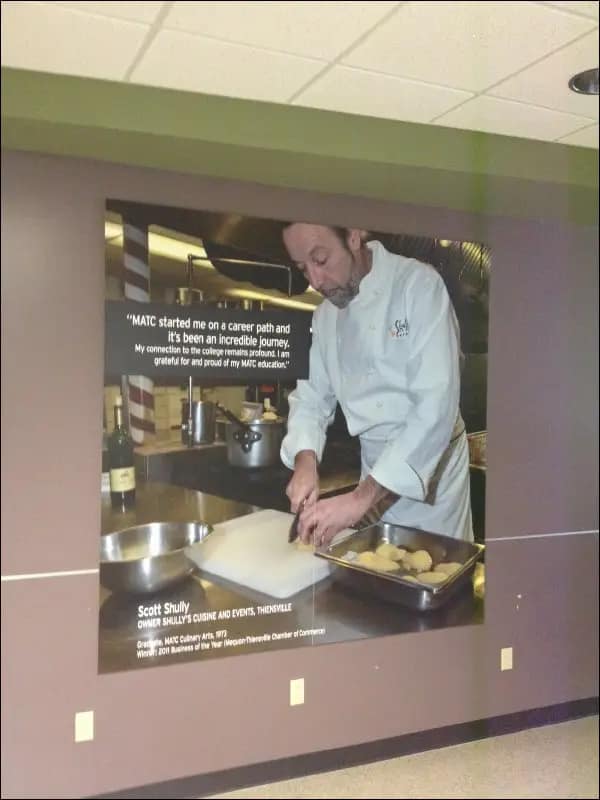
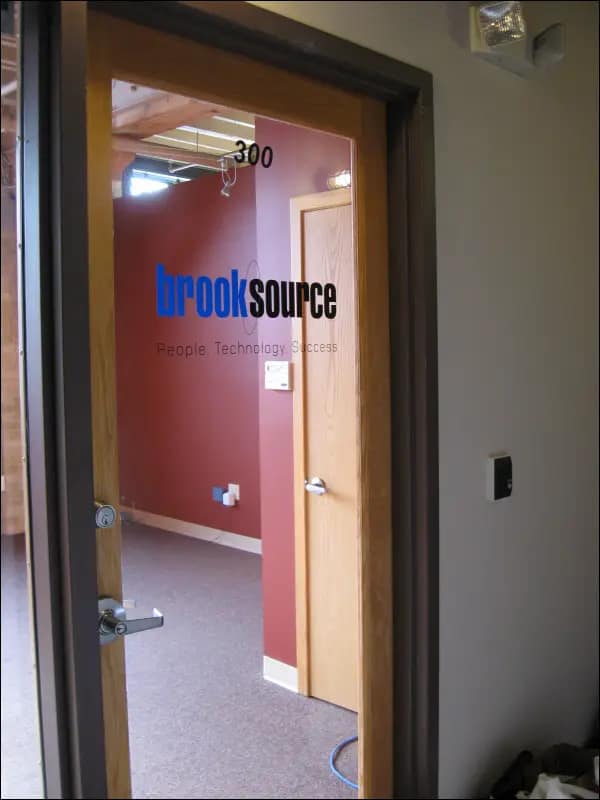
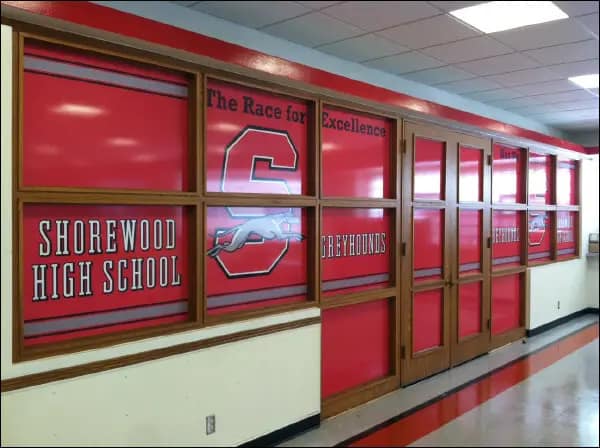
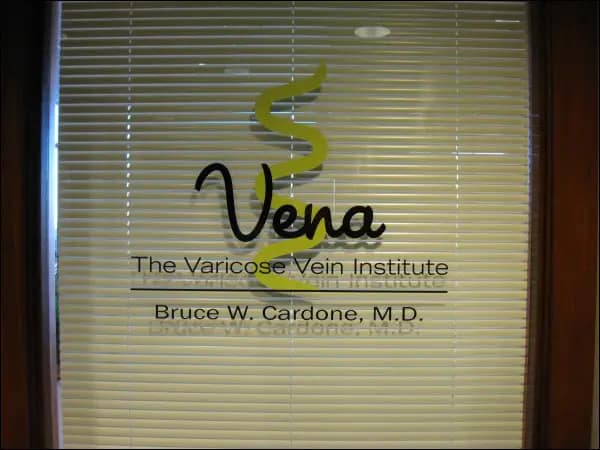
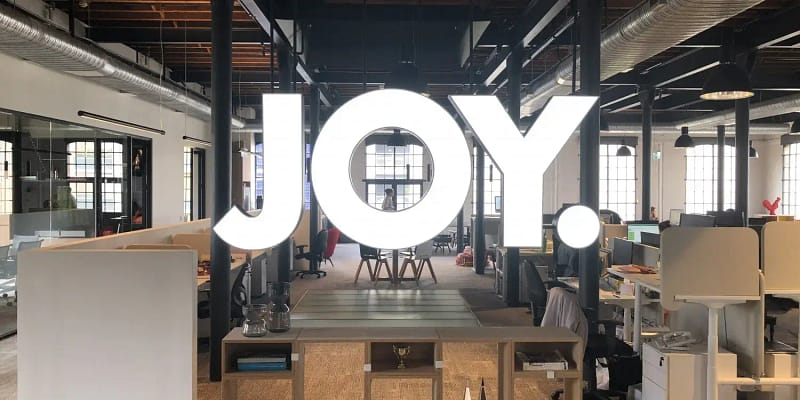
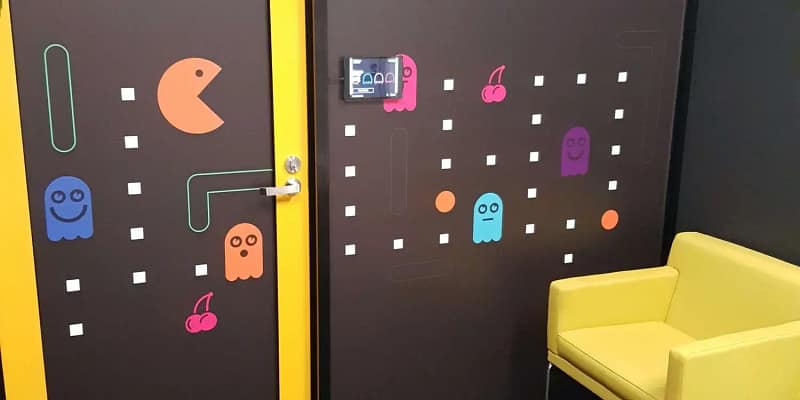
Branding does not stop at the front door. Interior signs, logos, wall graphics, murals, room labels, directories, and branded backdrops can enhance the identity that customers see from outside.
This becomes especially useful for businesses where customers spend time inside the property. Professional offices, healthcare facilities, restaurants, retail spaces, corporate settings, and service businesses can all benefit from interior branding. It helps customers know where they are and what to expect. Interior branding has a clear advantage: it communicates information that won’t fit on a storefront without making it look cluttered.
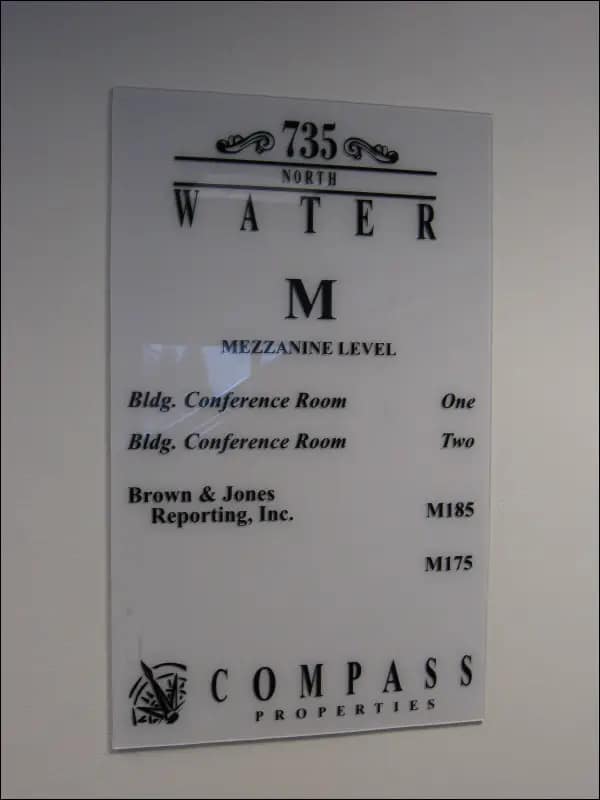
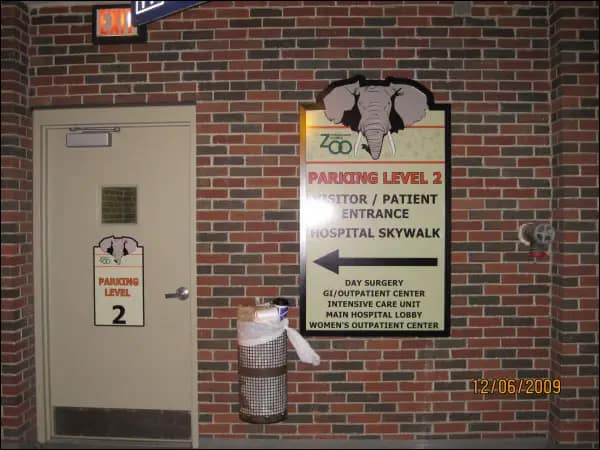
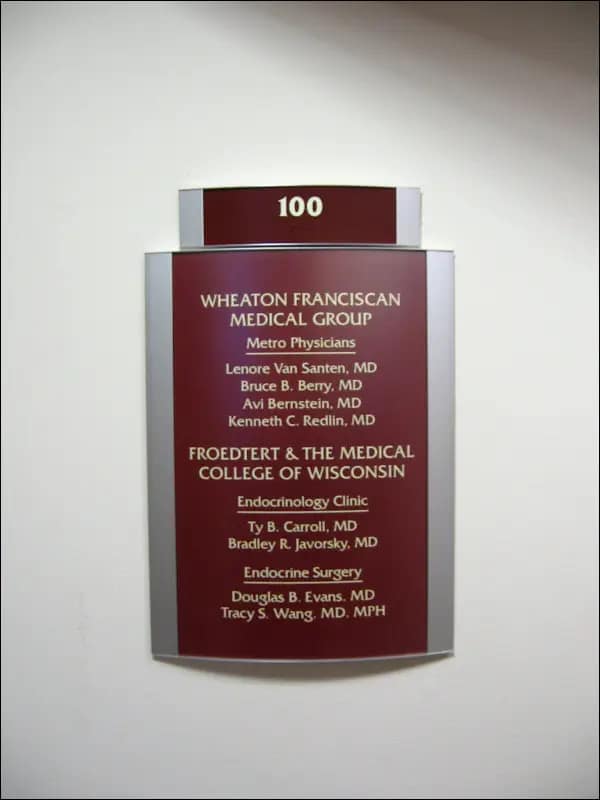
A lobby logo can establish identity. A wall graphic can reinforce a brand message. Room identification can improve navigation. A directory can organize multiple businesses or departments. These are different jobs, so they should not all be designed as if they were advertisements. The best interior spaces connect brand recognition with information delivery, all while staying visually linked.
Vehicle Branding Is Becoming a Mobile Brand System
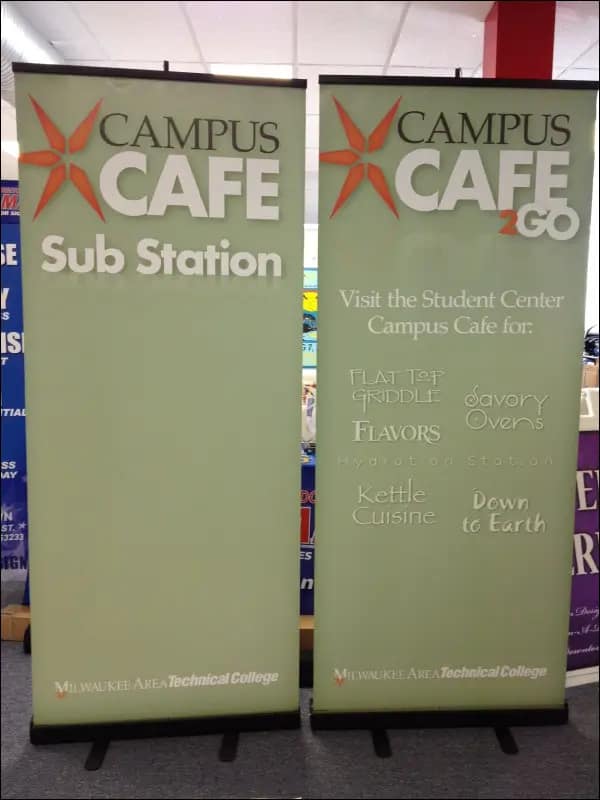
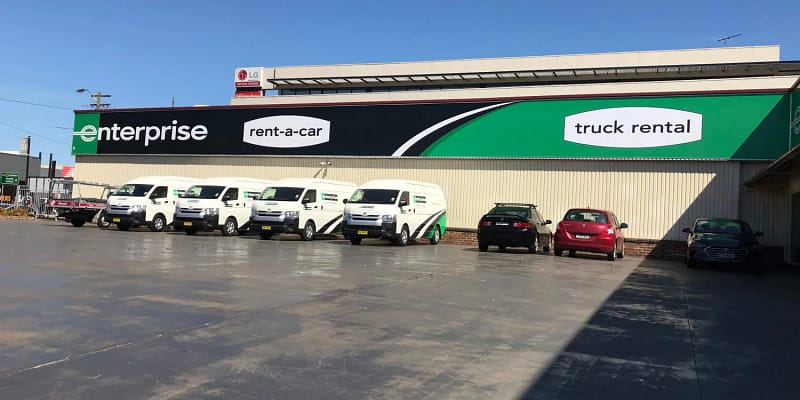
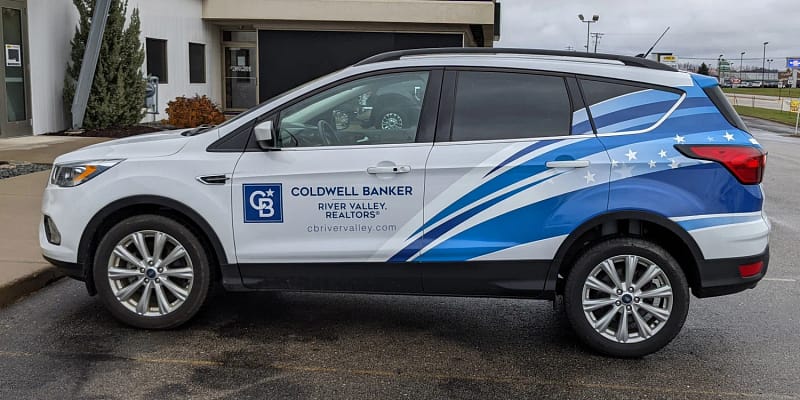
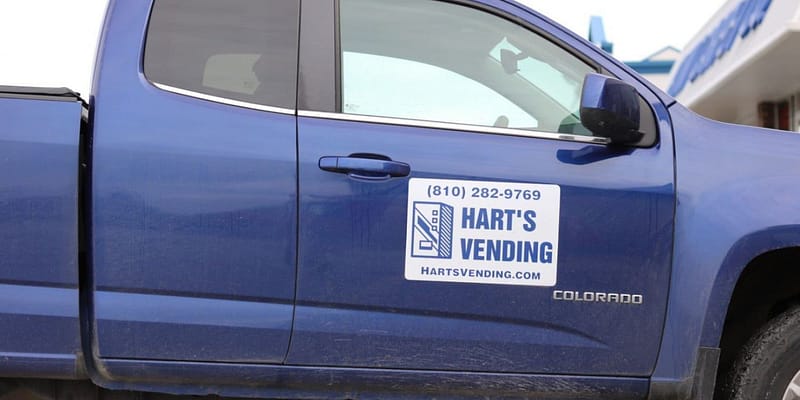
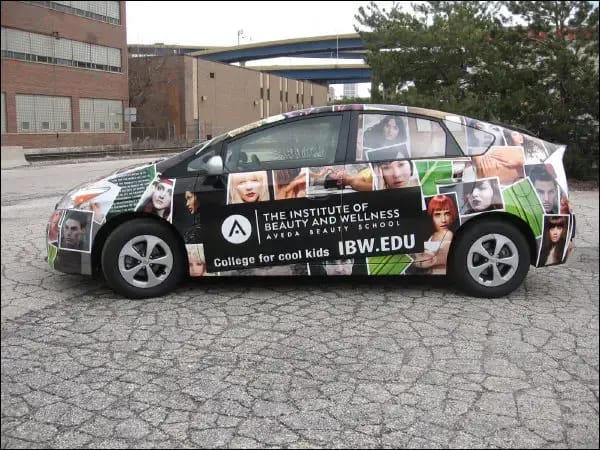
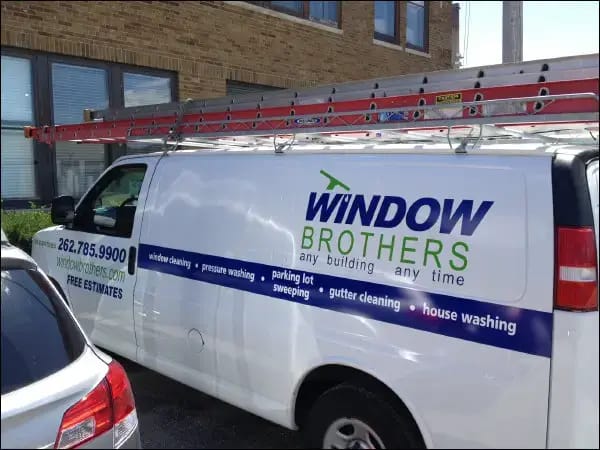
For businesses that travel to customers, a company vehicle can function as a moving brand asset. Vehicle lettering, decals, partial wraps, full wraps, and fleet graphics display the company’s identity to people far away.
The challenge is that vehicles are usually viewed for only a few seconds. A design that works beautifully on a stationary wall may fail when placed on a moving truck or van. Effective vehicle branding therefore prioritizes quick recognition.
The business name or logo should be identifiable. The primary service or message should be understandable without requiring close reading. Contact information should be limited to what is genuinely useful. Graphics should also account for doors, windows, handles, curves, and other vehicle features.
Signarama Milwaukee provides full and partial vehicle wraps. They also provide digital wraps, fleet graphics, vehicle branding, decals, and similar applications. For a company operating several vehicles, consistency can be particularly valuable. A fleet doesn’t have to look the same in every detail. Using similar visuals helps customers recognise the business on different vehicles and in various locations.
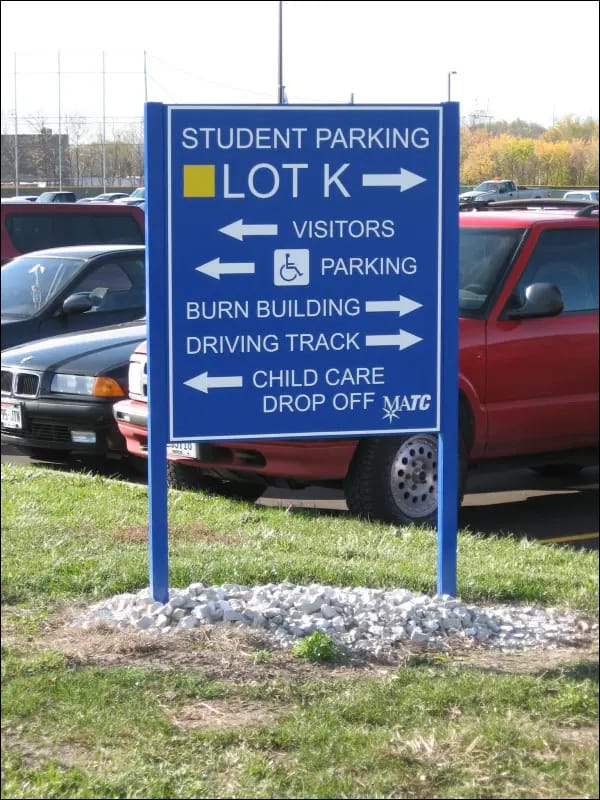
Wayfinding Is Becoming Part of Brand Experience
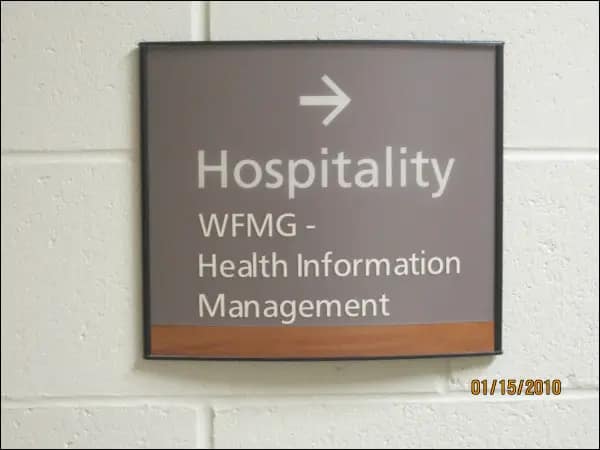
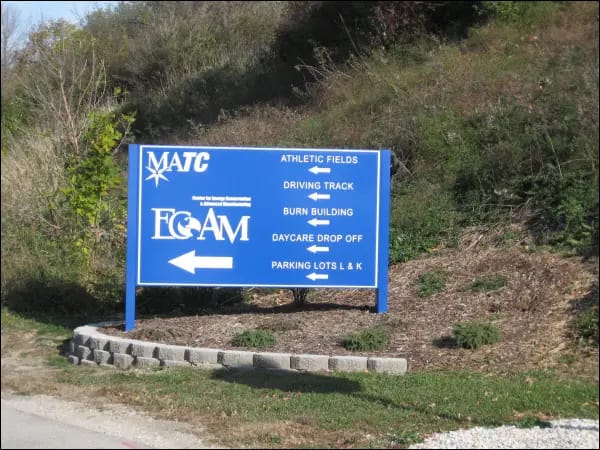
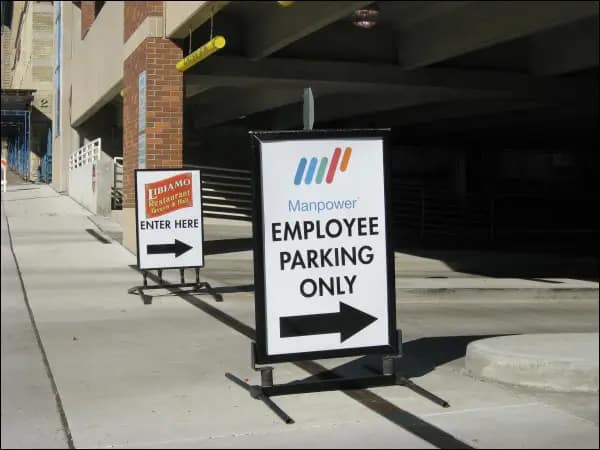
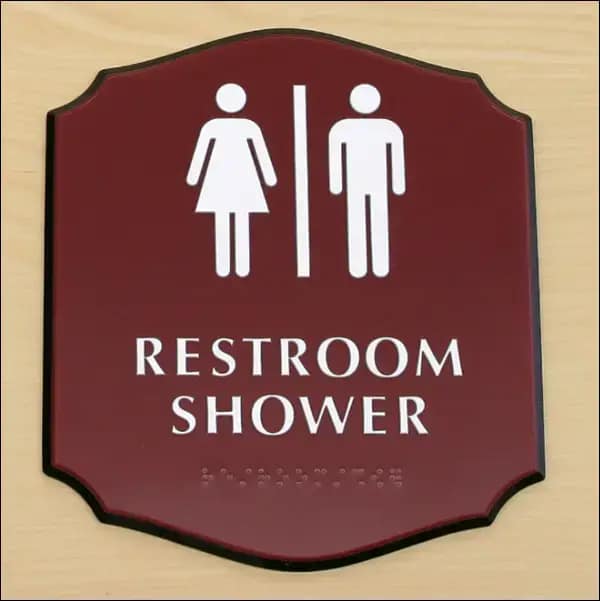
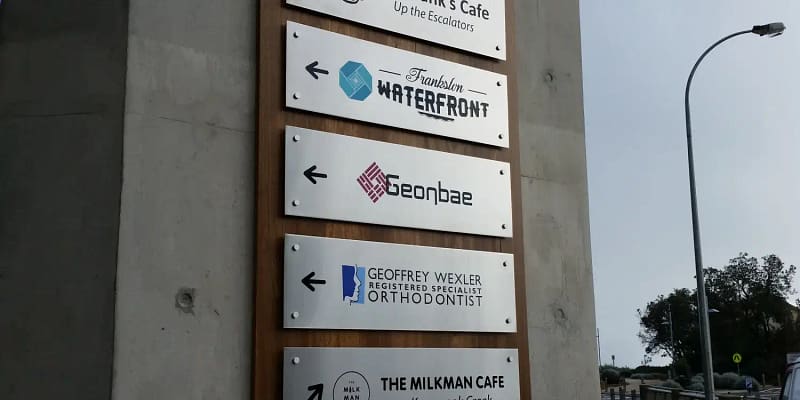
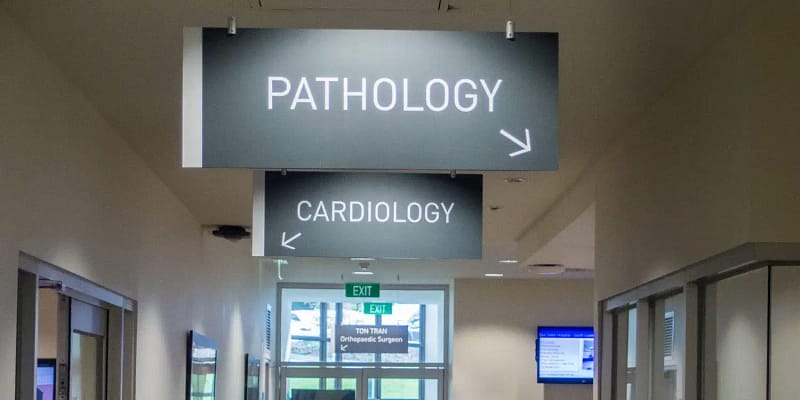
Directional signage is usually seen as just functional. However, it also shapes how customers feel about a property. Parking signs, directories, room labels, and directional signs help cut confusion. They also support a clear visual identity.
This matters a lot in buildings with many entrances, departments, tenants, floors, or customer pathways. A good wayfinding system answers questions before customers have to ask them:
Where do I enter? Where do I park? Where do I go next? Which room or department do I need?
Branding should support those answers rather than compete with them.Milwaukee also has specific requirements for certain signage applications.
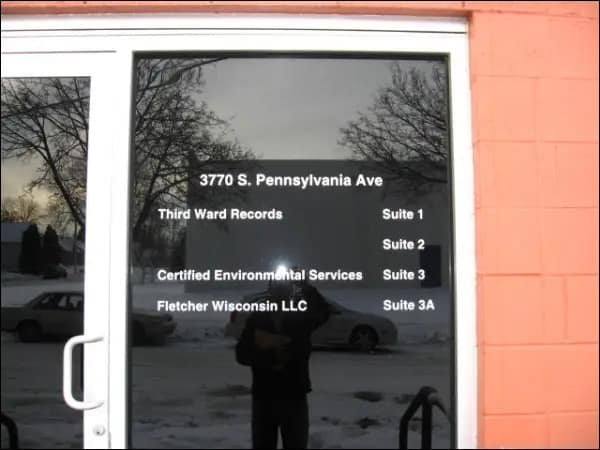
The City’s storefront-sign guidance includes:
- permanent wall signs
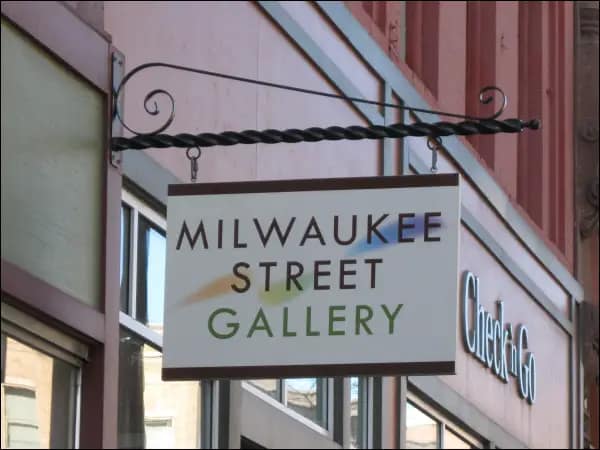
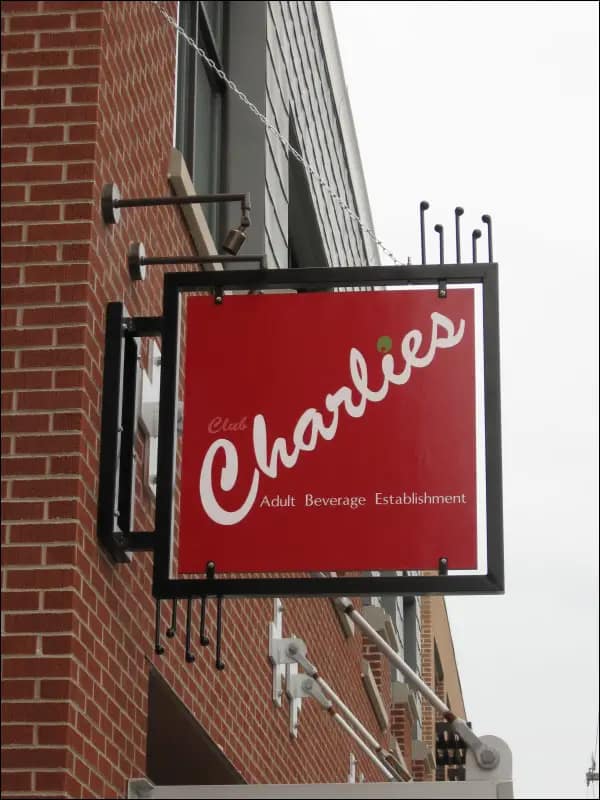
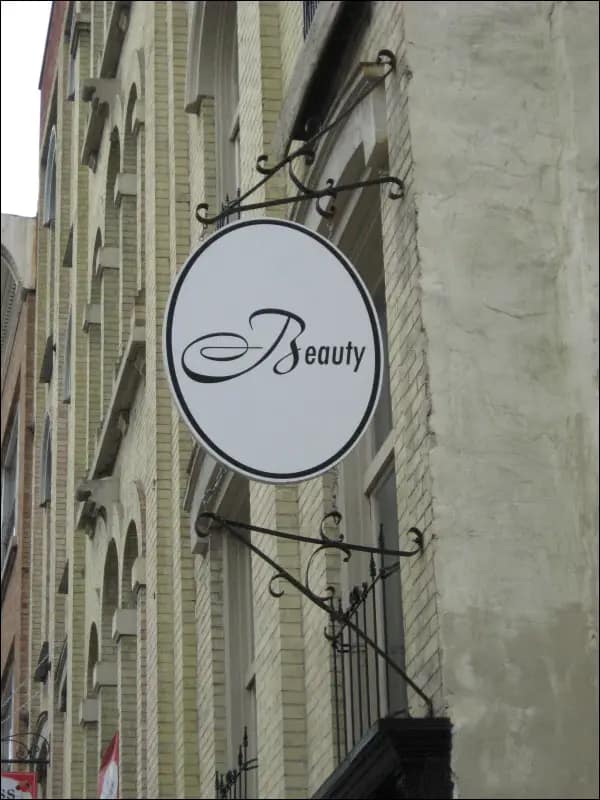
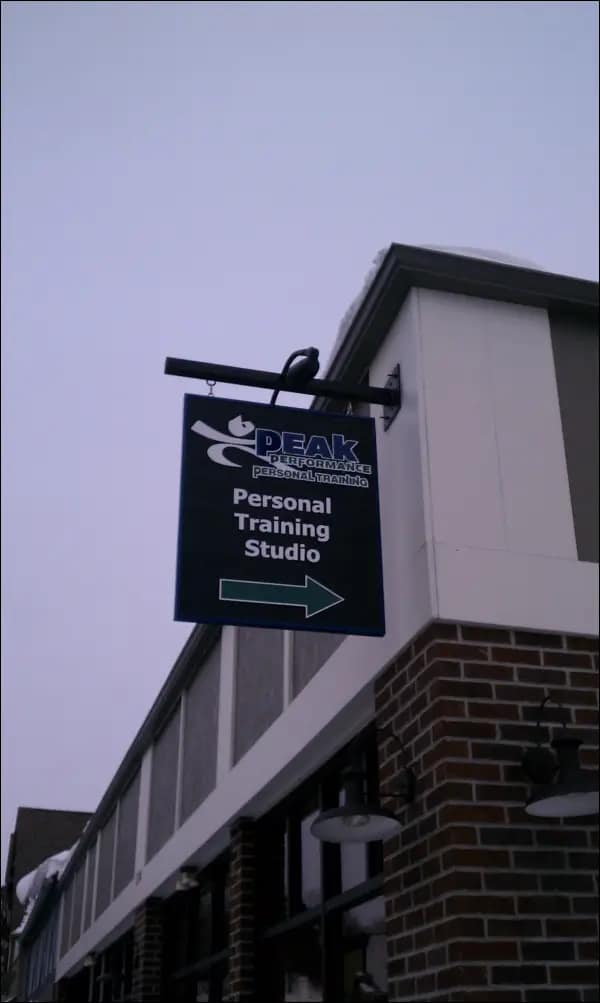
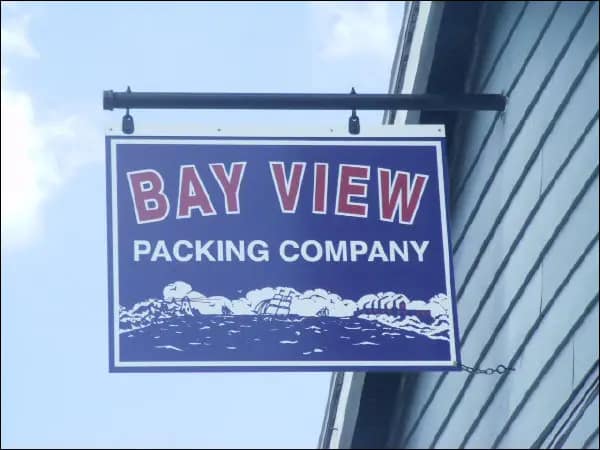
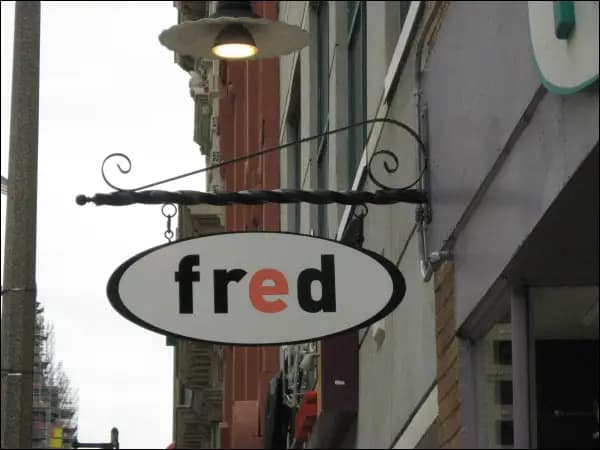
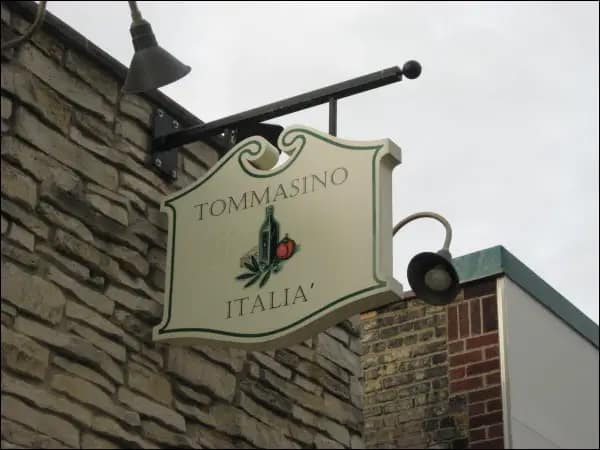
- projecting signs
- painted window lettering
- neon signs
- other approved formats
It also states that permanent signs need a permit. Additionally, historic districts may require approval from the Historic Preservation Commission. Wayfinding shows why branding, usability, and compliance should be linked together.
Local Character Matters More Than Generic Corporate Design
A strong brand does not have to look disconnected from its surroundings. Milwaukee contains different commercial environments and architectural contexts. A design for a modern commercial space might not fit an older storefront or a historic property.
The goal is not to make every business look “local” in an artificial way. It is to recognize that the building and surrounding environment are part of the visual context in which the brand will be seen. Milwaukee says that new signs should match the building or site. Their size and location should also suit the area and its surroundings.
This raises a key branding question: should the sign stand out, blend in, or contrast with the building?
The answer depends on the business, property, audience, and surroundings. For some businesses, understated dimensional lettering may create the right impression. Others may need stronger color contrast or illuminated identification. The best design isn’t always the most eye-catching. It’s the one that achieves good visibility while staying relevant to its surroundings.
Flexible Graphics Are Useful for Changing Business Environments
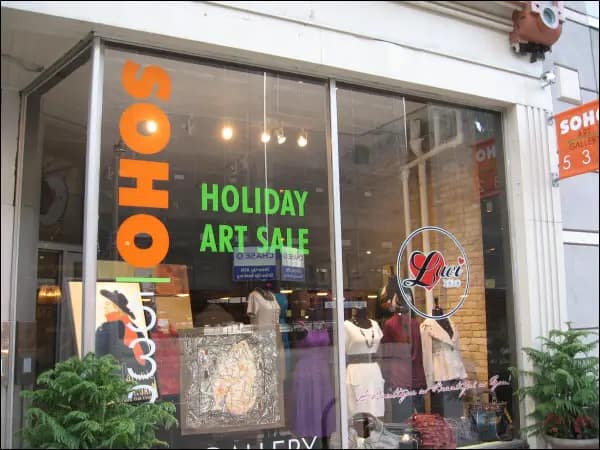
Not every branding element needs to be permanent. Businesses that often change promotions, events, seasonal messages, product offerings, or temporary info can benefit from graphics made for easy swapping.
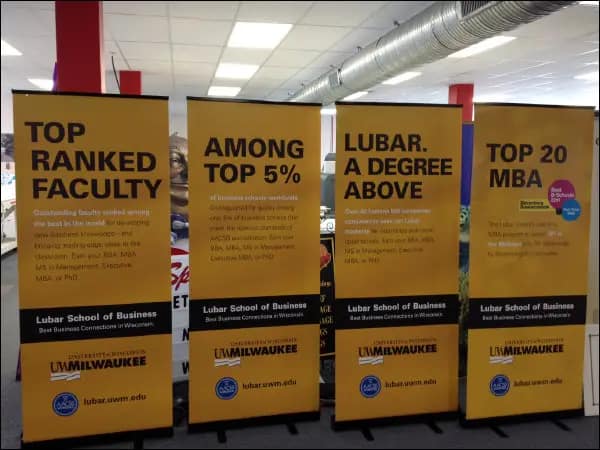
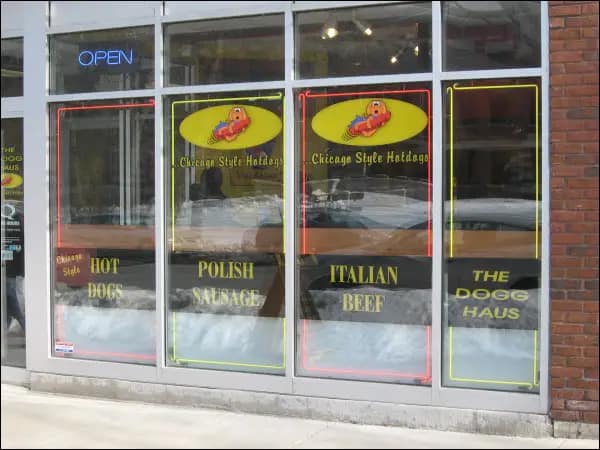
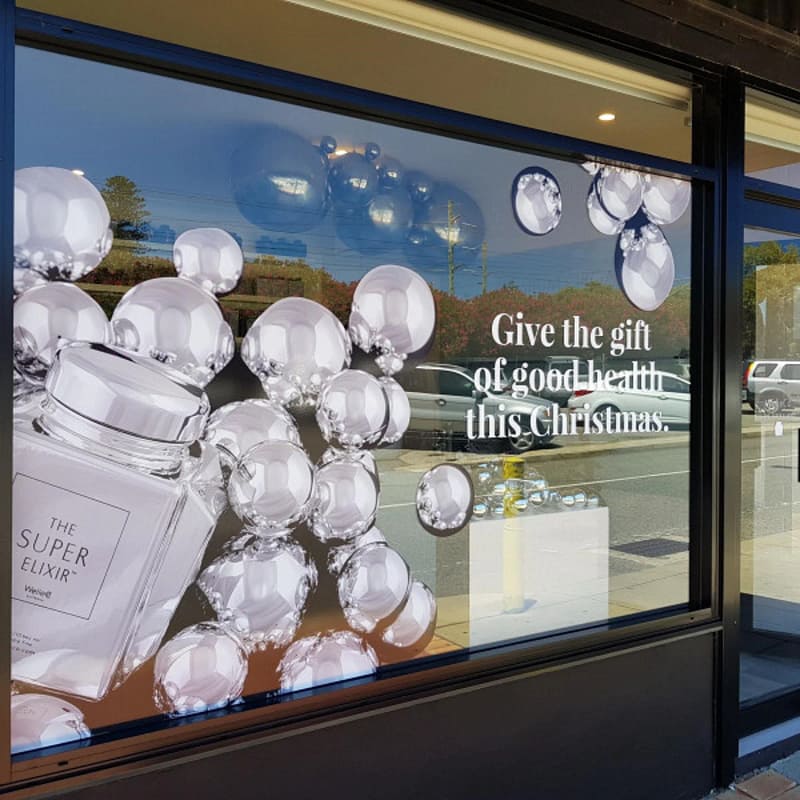
Window graphics, banners, decals, retractable displays, temporary signs, and other flexible formats boost permanent identification. They do this without needing to change the main storefront sign. This creates a useful distinction between brand infrastructure and campaign messaging.
A business’s main logo sign may remain in place for years. Promotional graphics can change more frequently. Keeping those roles separate makes a physical brand easier to manage. It also costs less to update than rebuilding permanent elements each time the marketing message changes. This approach is great for retailers, restaurants, event-driven businesses, real estate, and companies in trade shows or temporary promotions.
Signarama Milwaukee offers custom banners, window and door graphics, decals, trade-show graphics, backdrops, retractable banners, and more large-format options.
Milwaukee Sign Regulations Need to Be Part of the Design Process
A key branding tip in Milwaukee is simple yet often missed: a strong sign needs to fit the property and follow local rules.
The City of Milwaukee says that signage can be influenced by several factors. These include the property’s base zoning district, overlay districts, special districts, historic designations, architectural review areas, and the type and features of the proposed sign.
The City’s sign-permit rules state that sign size, height, and location must follow Milwaukee’s zoning laws and building code. Permit applications may need detailed drawings. These should show copy, graphics, materials, color, mounting, illumination, and other specifics.
Historic properties can require another layer of review. Milwaukee says you need a Certificate of Appropriateness for changes to historic properties. Their guidance on historic buildings also focuses on signs and other exterior features.
The practical lesson is straightforward: check the property before finalizing the design.
A business should know the property’s zoning. It’s also important to check if special reviews or permits are needed before starting fabrication. This can stop a situation where a great design needs big changes after production planning starts.
How Should a Milwaukee Business Choose Which Branding Trends to Adopt?
A business does not need to adopt every trend. Instead, evaluate each potential improvement against five questions:
Will customers see it? A visually impressive feature has limited value if the intended audience rarely encounters it.
Will customers understand it quickly? A sign can look sophisticated while still failing to communicate the business name or purpose.
Does it fit the building and surroundings? Brand identity should remain recognizable without fighting the architecture or visual environment.
Does it support the customer journey? Think about what customers need before they enter, right after they come in, and while they move around the property.
Will it remain useful? A permanent sign should not be designed around a temporary marketing message. Separate long-term identification from short-term campaigns when appropriate.
This framework is more useful than simply asking which sign style is “trending.”
A service company with multiple vehicles might benefit more from consistent fleet graphics than from a fancy lobby setup. A restaurant may place greater value on storefront visibility and window graphics. A professional office might need simple outside signs along with clear lobby and directional signs.
The right branding investment follows the customer’s actual path through the business.
When should you update your company branding?
A branding update is worth considering when the existing physical identity no longer matches the business.This can occur after a rebrand, move, renovation, expansion, acquisition, or shift in target market. It can also happen slowly. When signs, window graphics, vehicles, and interior elements are replaced at different times, they may start to look mismatched.
Another warning sign is poor functional performance. If customers struggle to find the entrance, recognise the business, locate a department, understand parking instructions, or differentiate your company from others nearby, the issue may not be the logo. It may be the way the brand is being applied to the physical environment.
Before replacing everything, identify the actual weakness. Sometimes the best improvement is a new storefront sign. Sometimes, better visibility, clear wayfinding, updated vehicle graphics, or a consistent system across different touchpoints is needed. That diagnostic step can prevent a business from spending money on a cosmetic change when the real problem is communication.
Final Takeaway
The most useful business branding trends in Milwaukee are not about chasing a particular color, material, or fashionable sign style. They focus on making physical branding more cohesive, purposeful, visible, and suitable for the environment.
A storefront sign should identify the business. Interior graphics should reinforce the experience. Wayfinding should make navigation easier. Vehicle graphics should create recognition beyond the property. Illumination should improve visibility without overwhelming the design. Flexible graphics should handle temporary messaging without constantly changing permanent brand elements.Local requirements matter, too. Milwaukee’s signage rules depend on zoning, sign type, overlays, special districts, and historic status. So, regulatory review should be part of the planning process, not an afterthought.
For businesses looking to open a new location, renovate, rebrand, or update signage, it’s best to start with the customer journey. Ask yourself: what should people notice, understand, remember, and find? Signarama Milwaukee has run its sign production facility since 2003. They offer design, production, installation, signage, graphics, vehicle branding, illuminated signs, interior applications, and wayfinding. Their services support businesses across Southeastern Wisconsin.
Planning a branding update for your Milwaukee business? Contact Signarama Milwaukee for custom signs, graphics, vehicle branding, and other visual solutions tailored to your location and brand.
Frequently Asked Questions
Are business branding trends in Milwaukee different from national branding trends?
The branding principles are similar, but their application differs. This depends on the property, architecture, customer environment, and local needs. Milwaukee’s zoning and historic-review framework can materially affect what signage is appropriate or permitted at a specific property.
Is a larger business sign always better for visibility?
No. Size is only one part of visibility. Many factors influence how well customers recognise a business. These factors are contrast, letter height, viewing distance, placement, sign clutter, lighting, and the amount of information on the sign.
Should a business use the same branding on its storefront and vehicles?
They should generally share recognizable brand elements, but they do not need identical layouts. A storefront stays in one place and shares more details. A vehicle, however, is seen quickly and needs to be recognized fast.
Do Milwaukee businesses need permits for signs?
Many permanent signs require permits, and requirements depend on the sign and property. The City of Milwaukee says you need a permit for permanent storefront signs. If you’re in a historic district, you may need more approval. Businesses should verify requirements for their specific property before fabrication.
What should a business do before ordering a new sign?
Start with the business objective and customer viewing conditions. Identify what to communicate, where customers will see the sign, how the design matches the building, what other branding is present, and if zoning or historic rules impact the property.