


















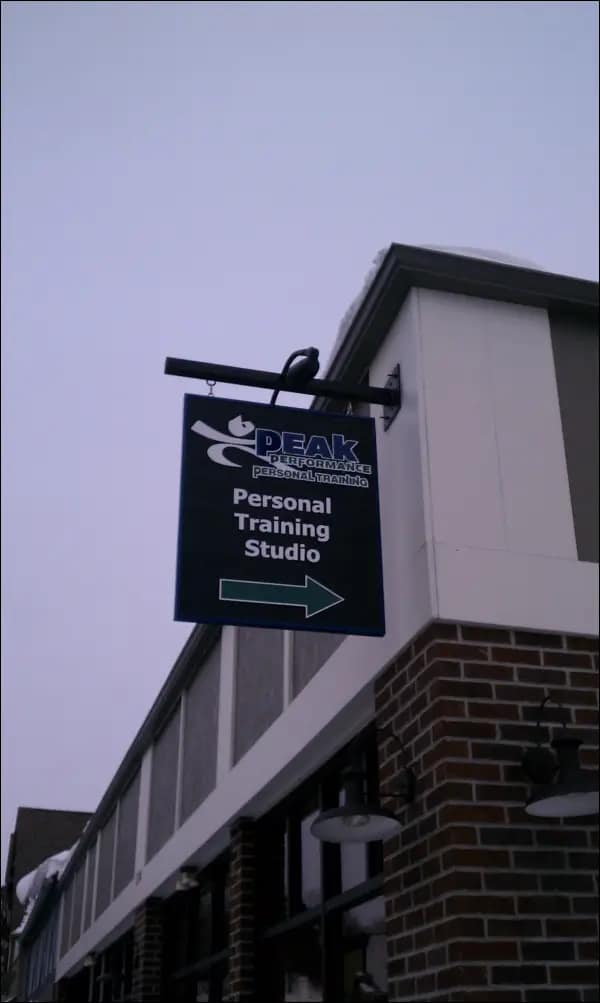
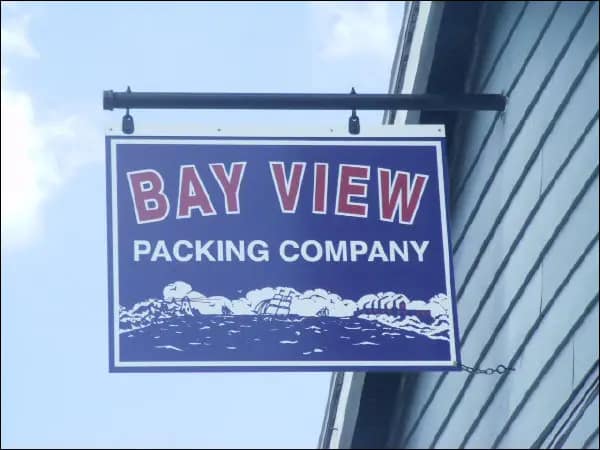
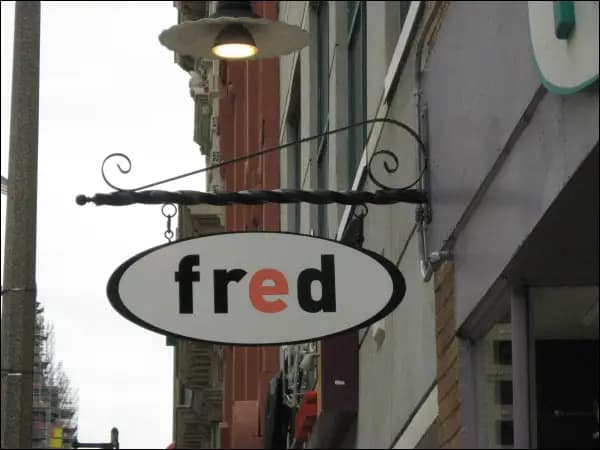
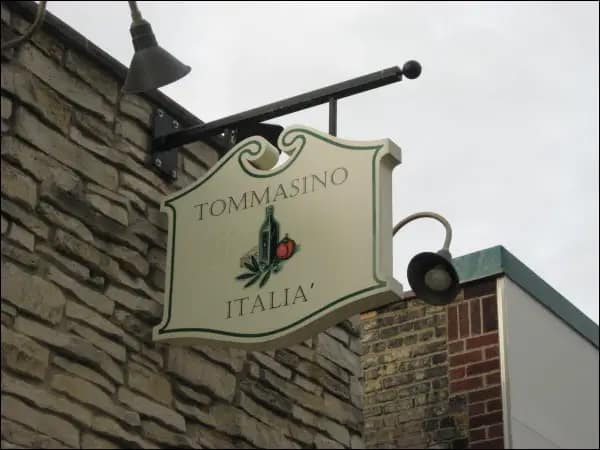
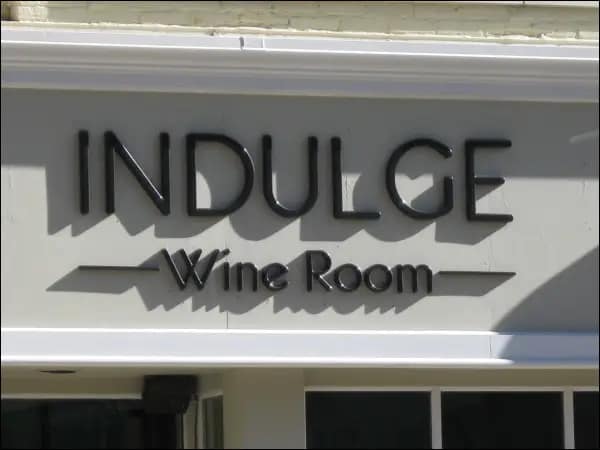
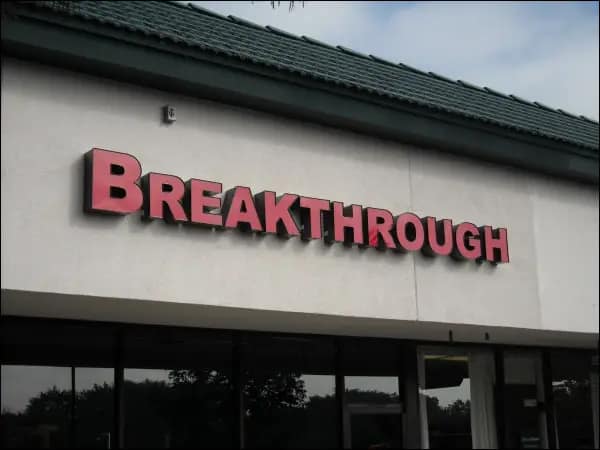

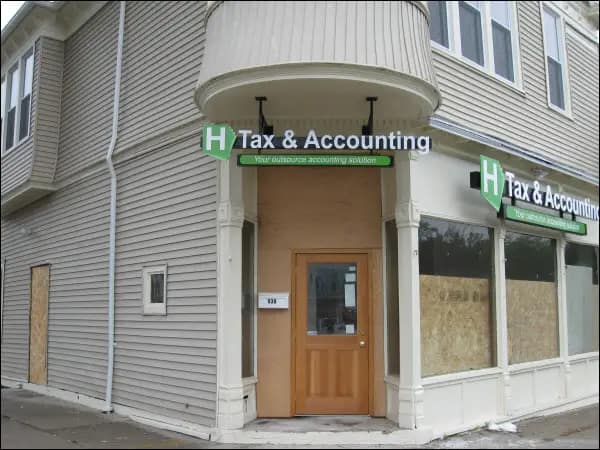
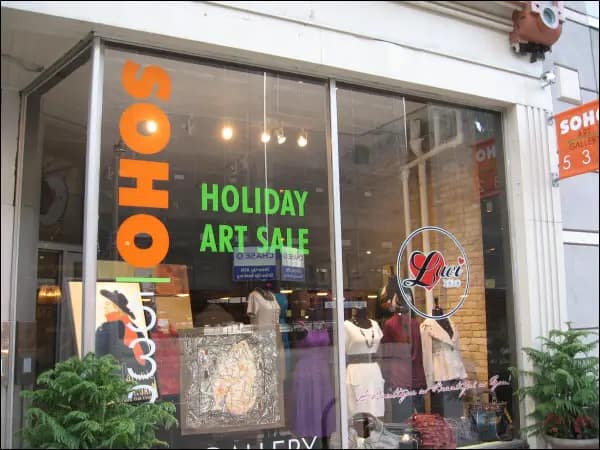


















Think about the last time you tried a new restaurant or walked into a shop you had never been to before. Chances are you noticed the sign before anything else. Before the menu. Before the staff. Before the product on the shelf.
That split-second impression is not accidental. It is the result of a deliberate decision someone made about how their business should look from the outside. And in commercial areas where ten businesses are competing for the same foot traffic, that first impression is often the entire margin between someone walking in or walking past.
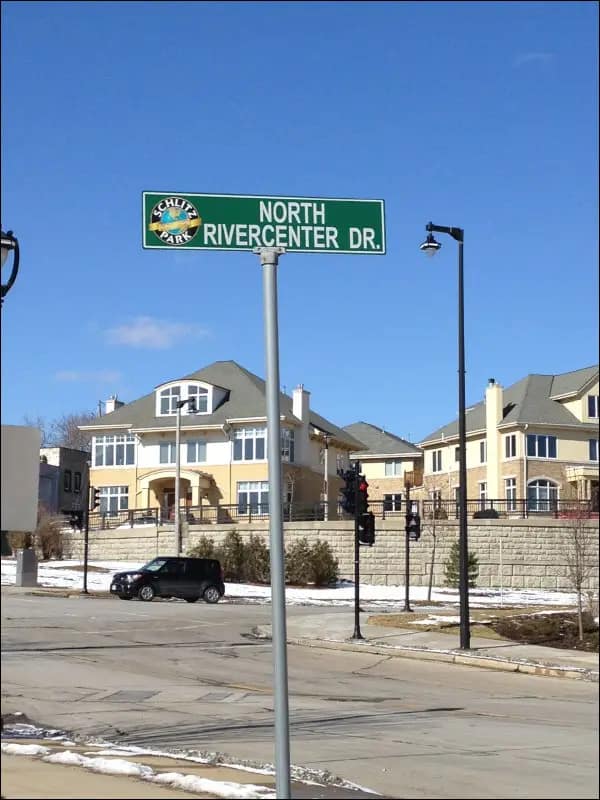
Commercial signage solutions cover far more than the panel above your front door. They include every sign your customer encounters – from the moment they spot your building from the road, to the lobby wall when they step inside, to the directional signs that guide them through your space. Every single one of those touchpoints is either reinforcing your brand or quietly undermining it.
This guide is written for business owners who want to get signage right – not just order something cheap and hope it works.
What Falls Under Commercial Signage – And Why All of It Matters
Most business owners think about signage once, right before they open. They order a storefront sign, maybe a window graphic, and move on. Then six months later they are standing in their own lobby wondering why the space feels unfinished, or watching a competitor across the street pull in foot traffic they should be getting.
The reason is usually that they thought about one sign instead of thinking about the full picture.
Signarama works with businesses across every signage category – helping them build a consistent visual presence that works from the street all the way through the customer experience inside the building.
Here is what a complete signage program actually looks like:
| Signage Type | What It Does | Common Examples |
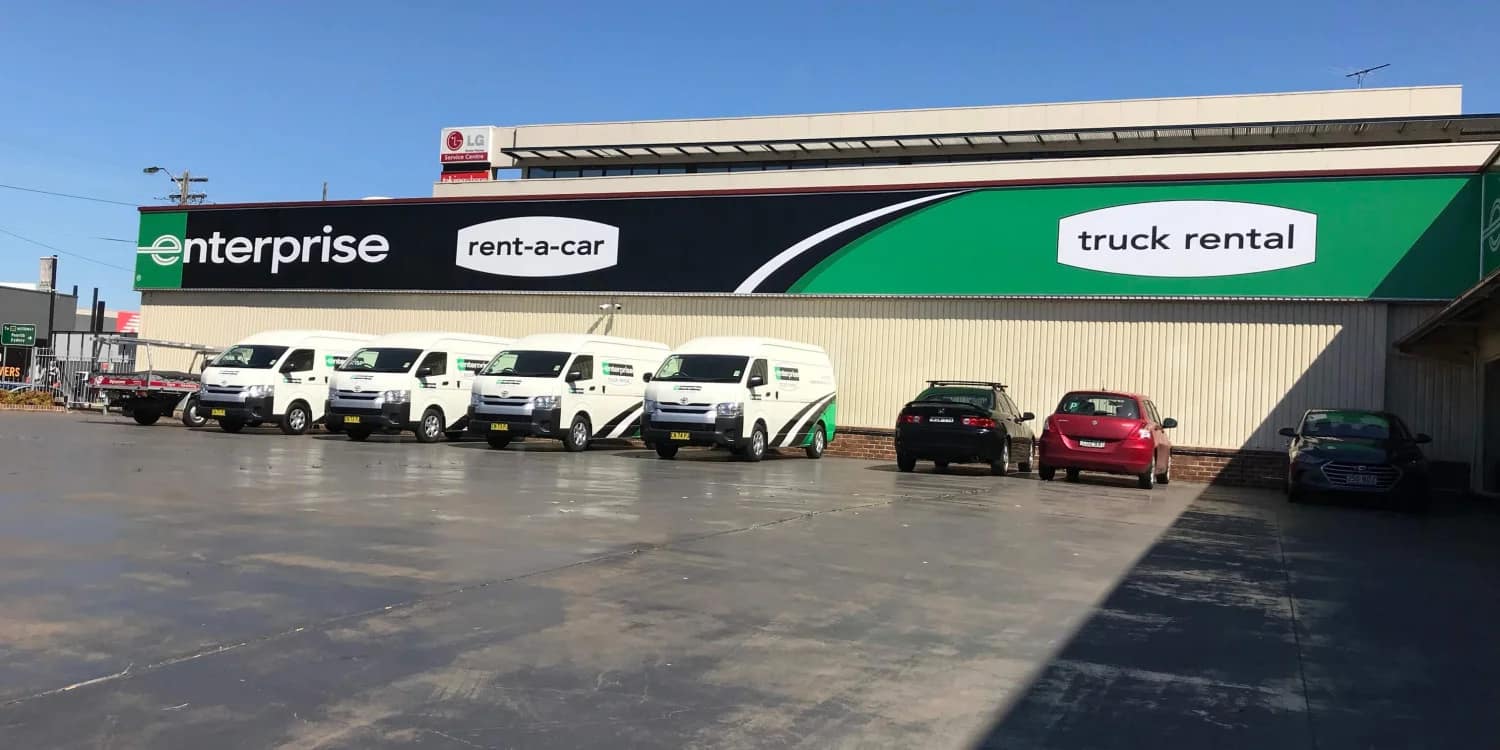
| Exterior Signage | Creates visibility and pulls traffic | Storefront signs, pylon signs, building wraps |
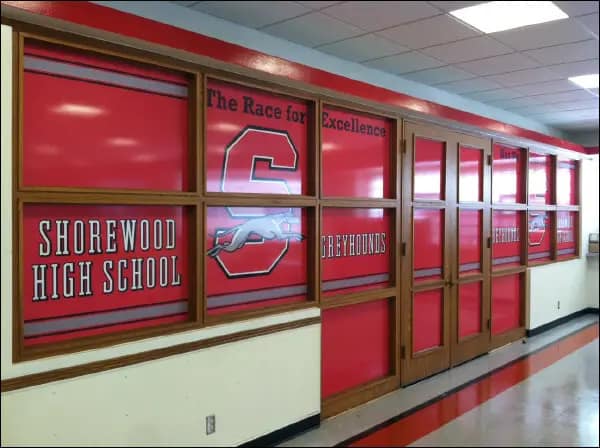
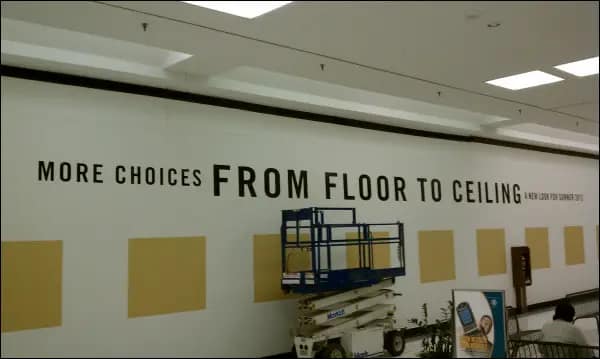
| Interior Signage | Sets tone, reinforces brand inside | Lobby signs, wall graphics, feature walls |
| Wayfinding Signage | Helps people navigate your space | Directional signs, floor markers, room IDs |
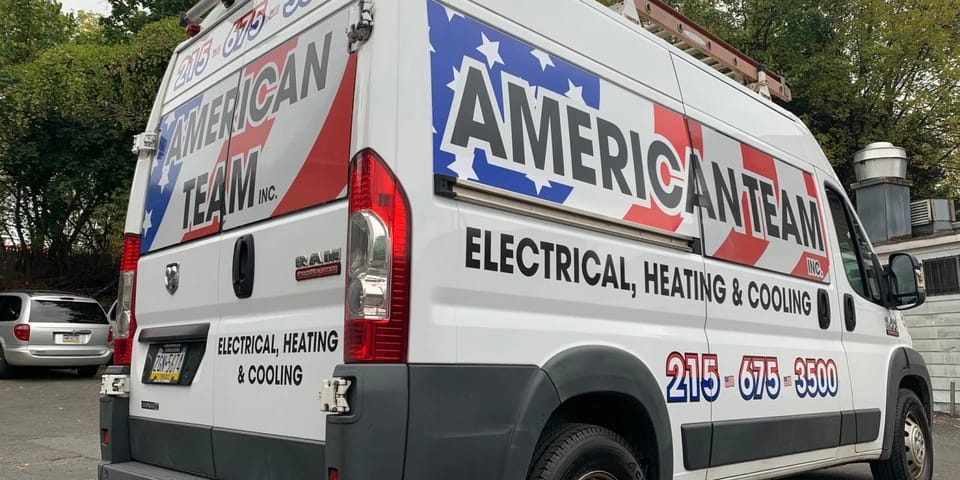
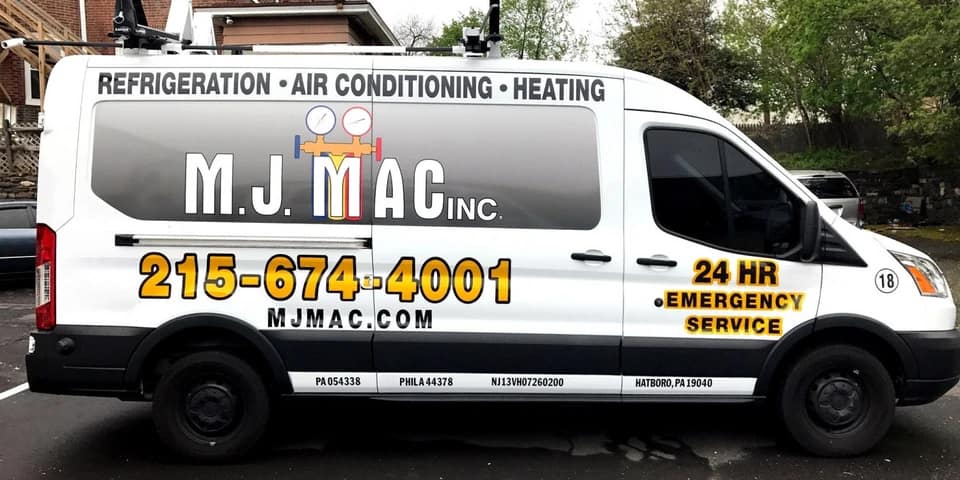
| Vehicle Wraps | Turns your fleet into moving ads | Branded vans, trucks, cars, trailers |
| Digital Signage | Displays dynamic, updatable content | LED screens, digital menu boards |
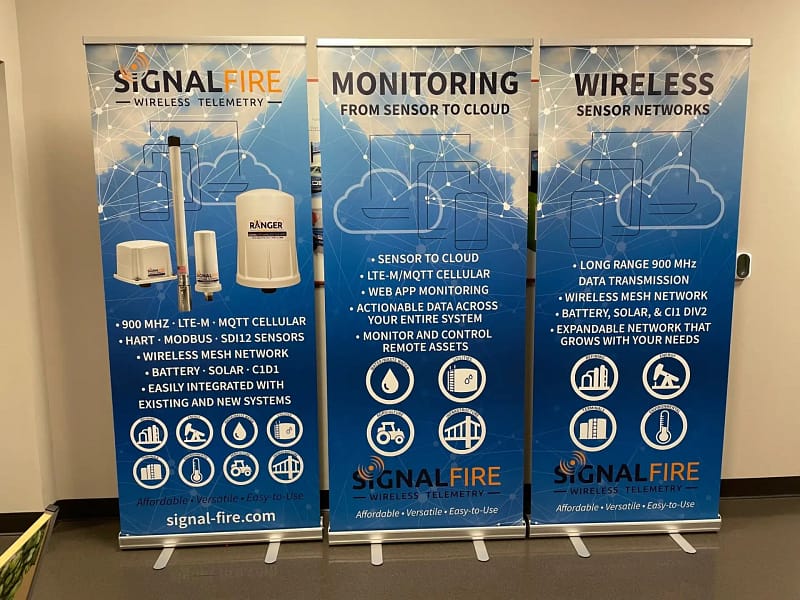
| Temporary Signage | Supports events and promotions | Banners, A-frames, pop-up displays |
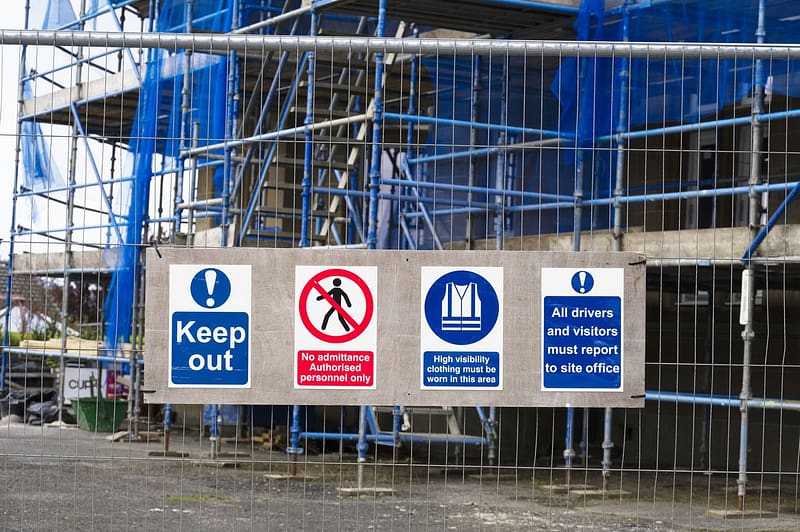
| Safety and Compliance | Meets legal requirements | Fire exits, ADA signs, hazard warnings |
Every one of these categories serves a specific purpose. A business that addresses all of them thoughtfully creates a customer experience that feels professional and intentional. One that ignores half of them has gaps – and customers notice gaps, even when they cannot articulate exactly what feels off.
The Main Sign Types – And When Each One Makes Sense
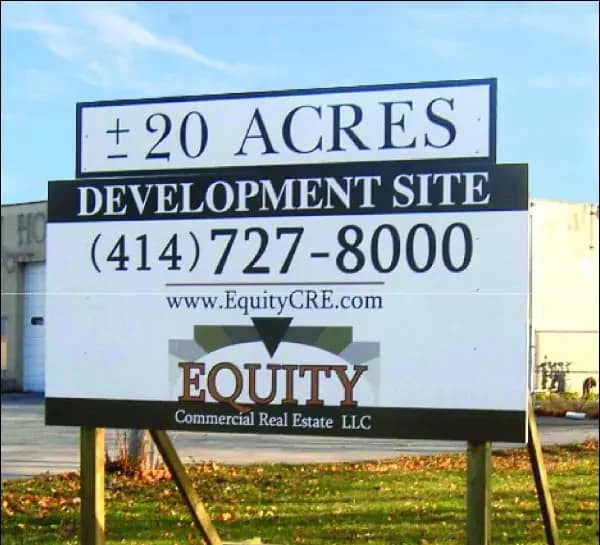
Exterior Building Signs
Your exterior sign is the anchor of everything else. It needs to be readable from a distance, recognizable at a glance, and durable enough to hold up against whatever weather your location throws at it year after year.
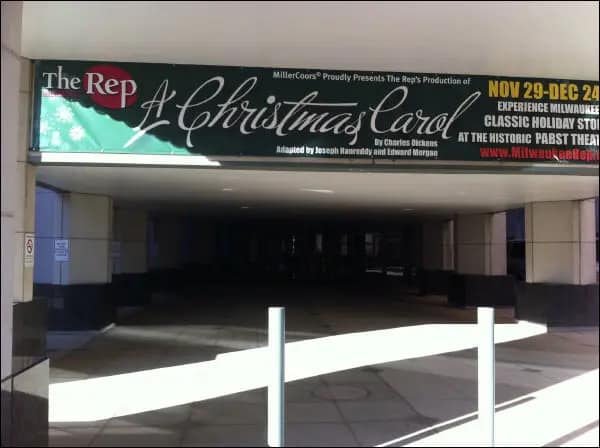
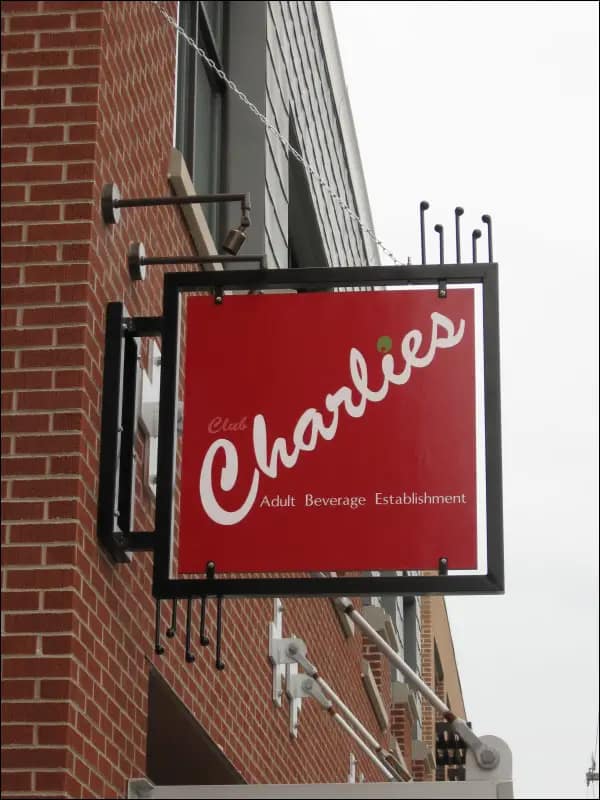
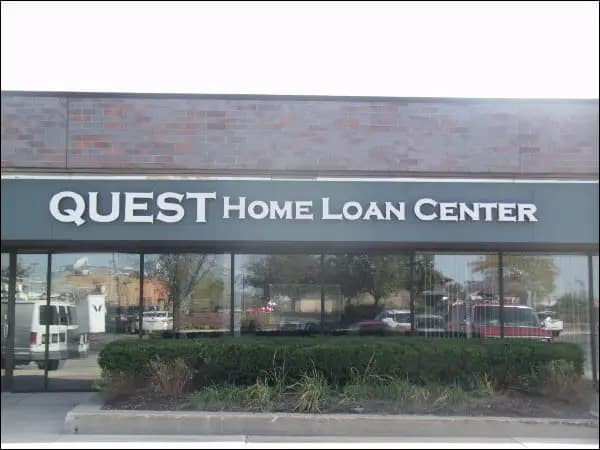
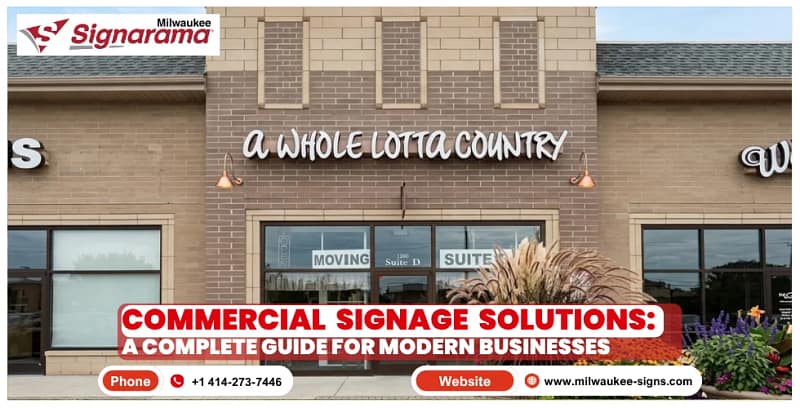
Channel letters are one of the most popular formats for retail and commercial buildings – individual three-dimensional letters mounted directly to the building face. They look clean, they read well from a distance, and they can be front-lit, back-lit, or halo-lit depending on the effect you want.
Cabinet signs – a box with an illuminated face – are common for strip malls and franchise locations. They are practical, relatively cost-effective, and visible at night without any additional lighting infrastructure.
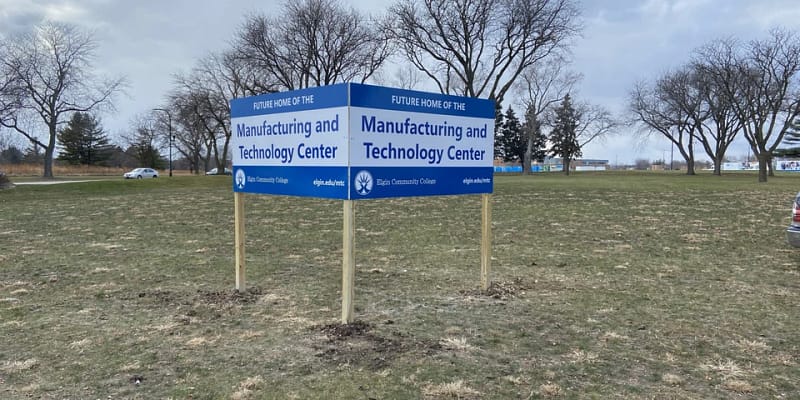
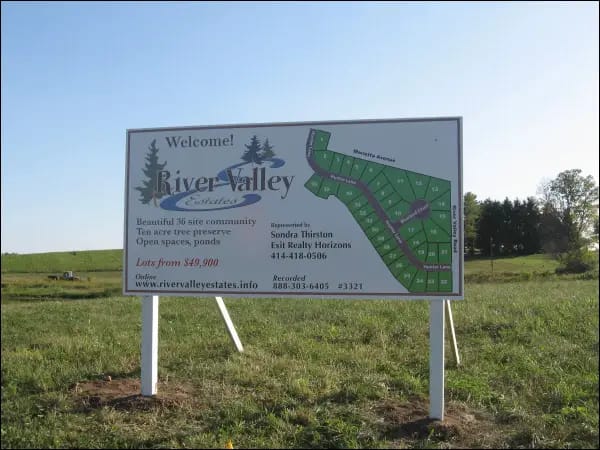
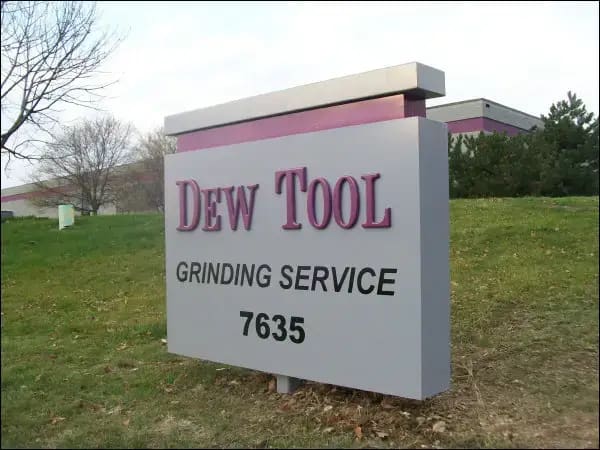
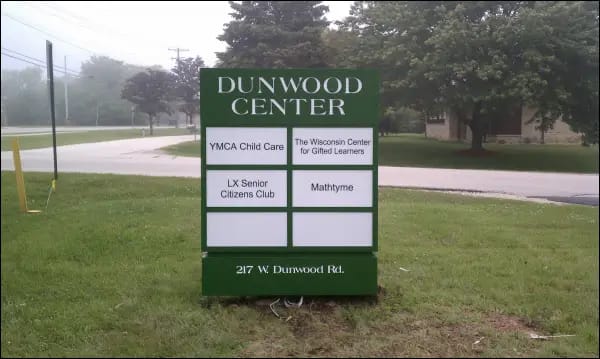
For businesses that sit back from the road, a monument sign or pylon sign at the property entrance is often the difference between being found and being missed entirely.
Interior and Lobby Signs
The exterior sign gets people in the door. The interior signage takes over from there.
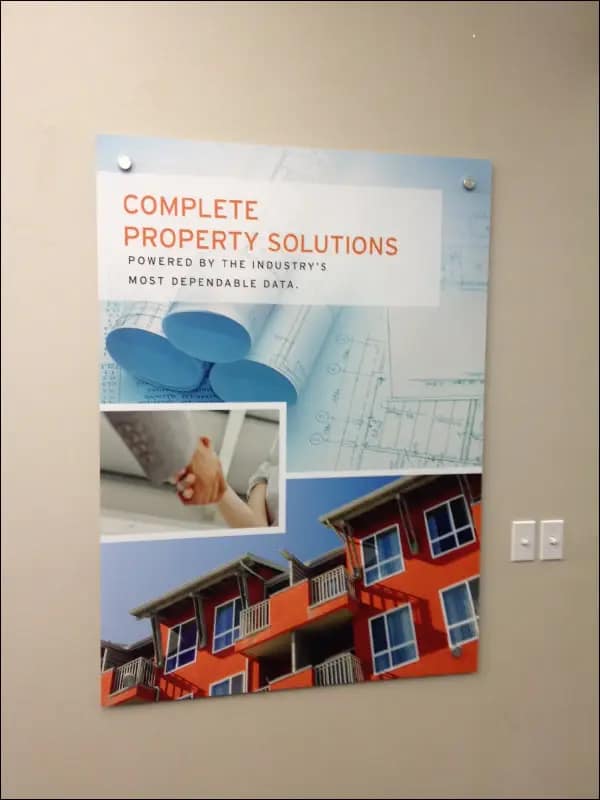
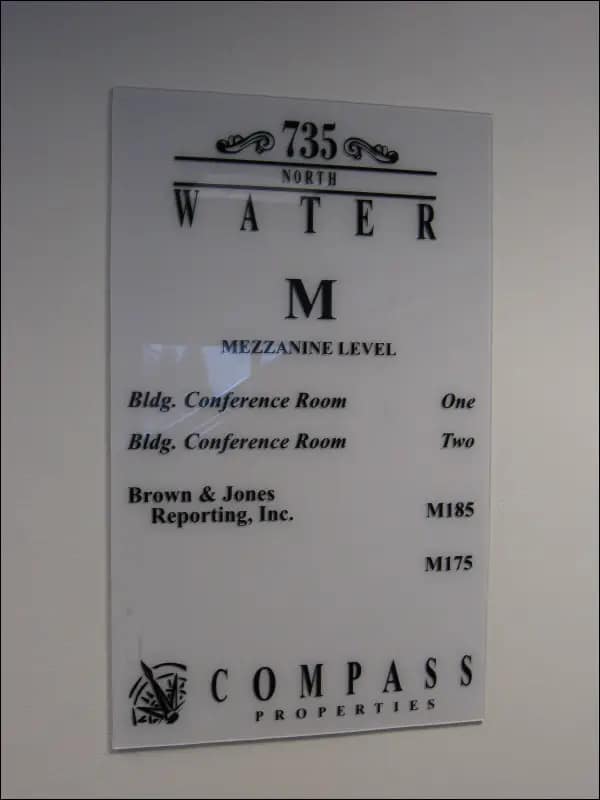
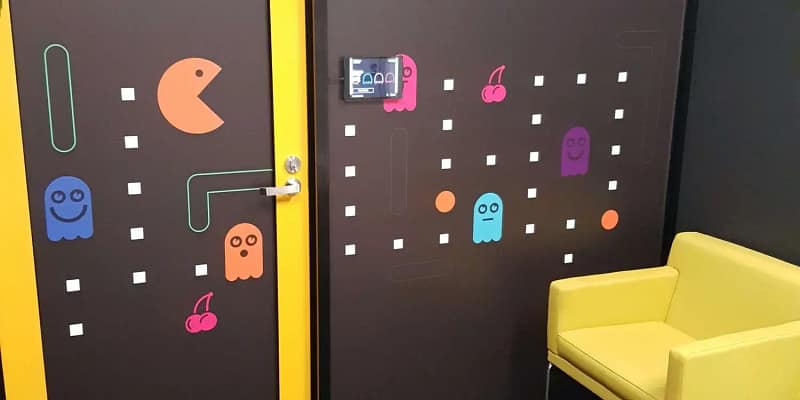
A lobby sign – typically a dimensional logo mounted on the wall behind a reception desk or in an entrance foyer – does something important. It tells the customer they are in the right place and that the business they have arrived at takes itself seriously. A flat printed banner in the same spot sends the opposite message.
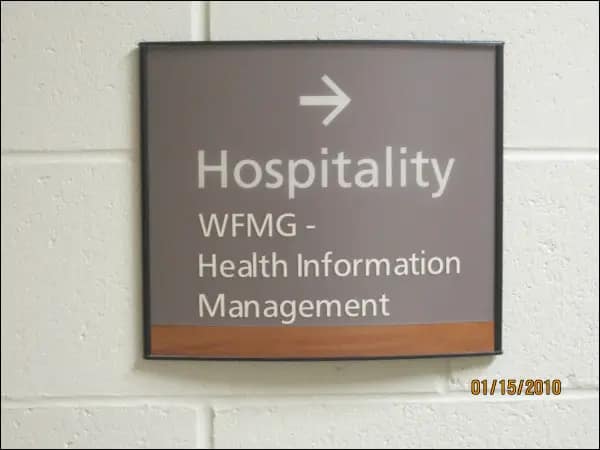
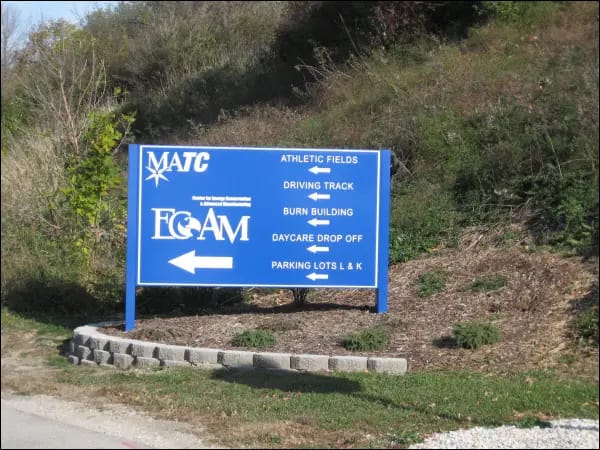
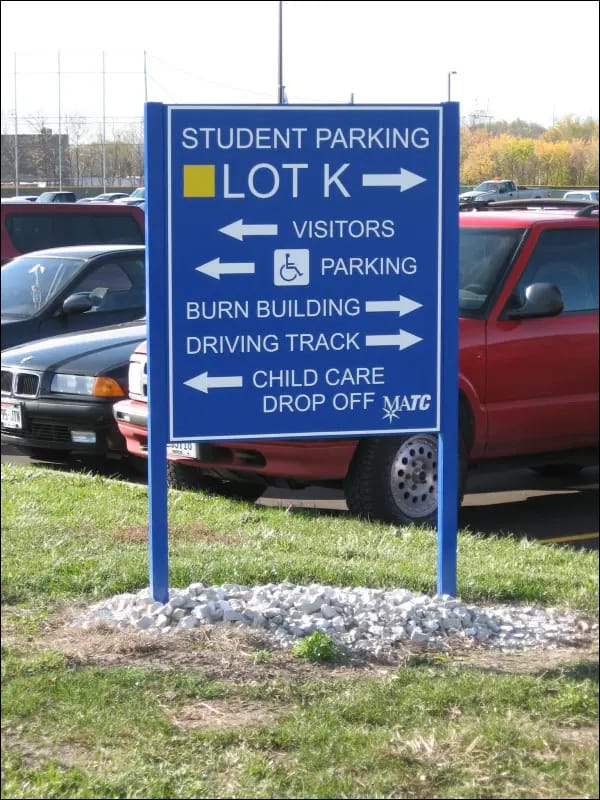
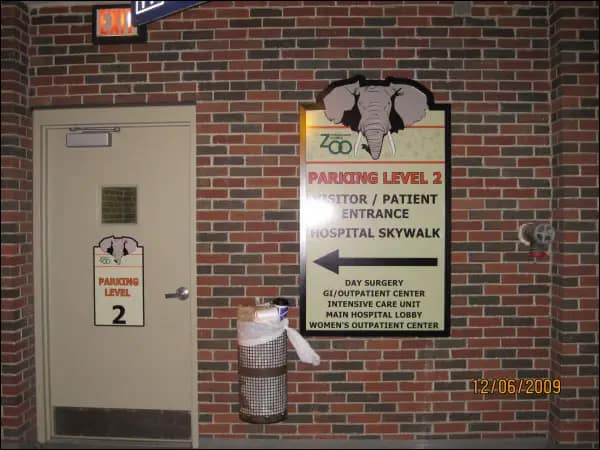
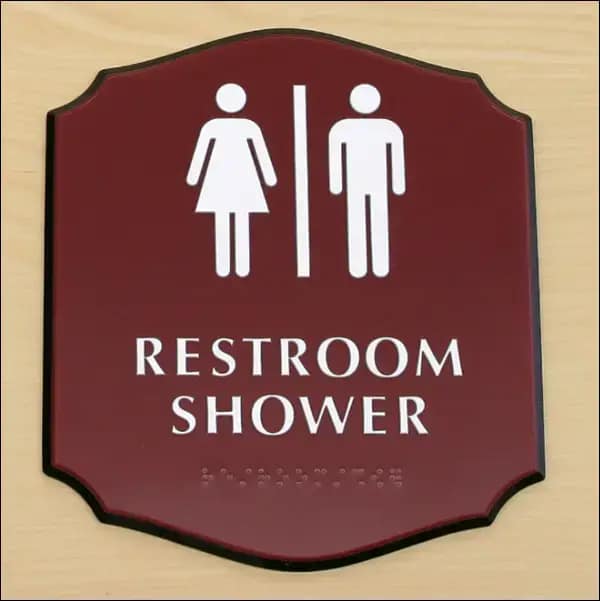
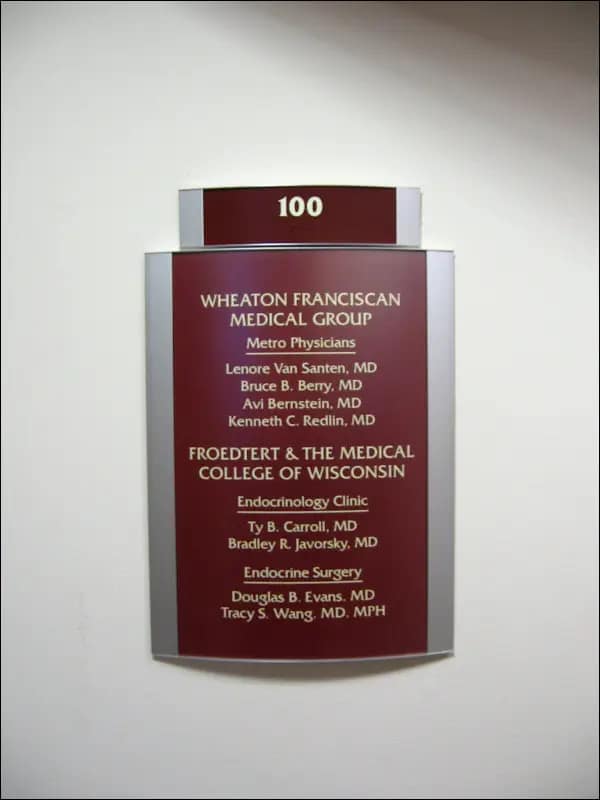
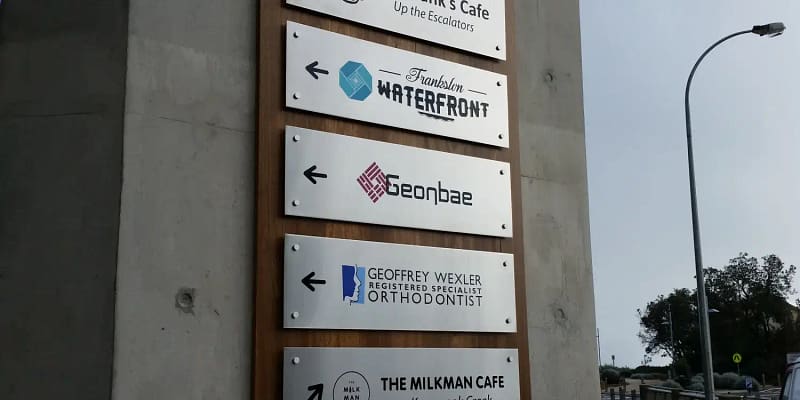
Beyond the lobby, directional signs matter more than most people give them credit for. Nobody wants to wander around an unfamiliar building looking for the bathroom or the conference room. Clear, well-placed wayfinding signage makes the experience smoother – and a smoother experience reflects well on the business.
Vehicle Wraps and Fleet Graphics
If your business uses vehicles for deliveries, service calls, or any kind of field work, those vehicles are advertising assets you are probably underusing.
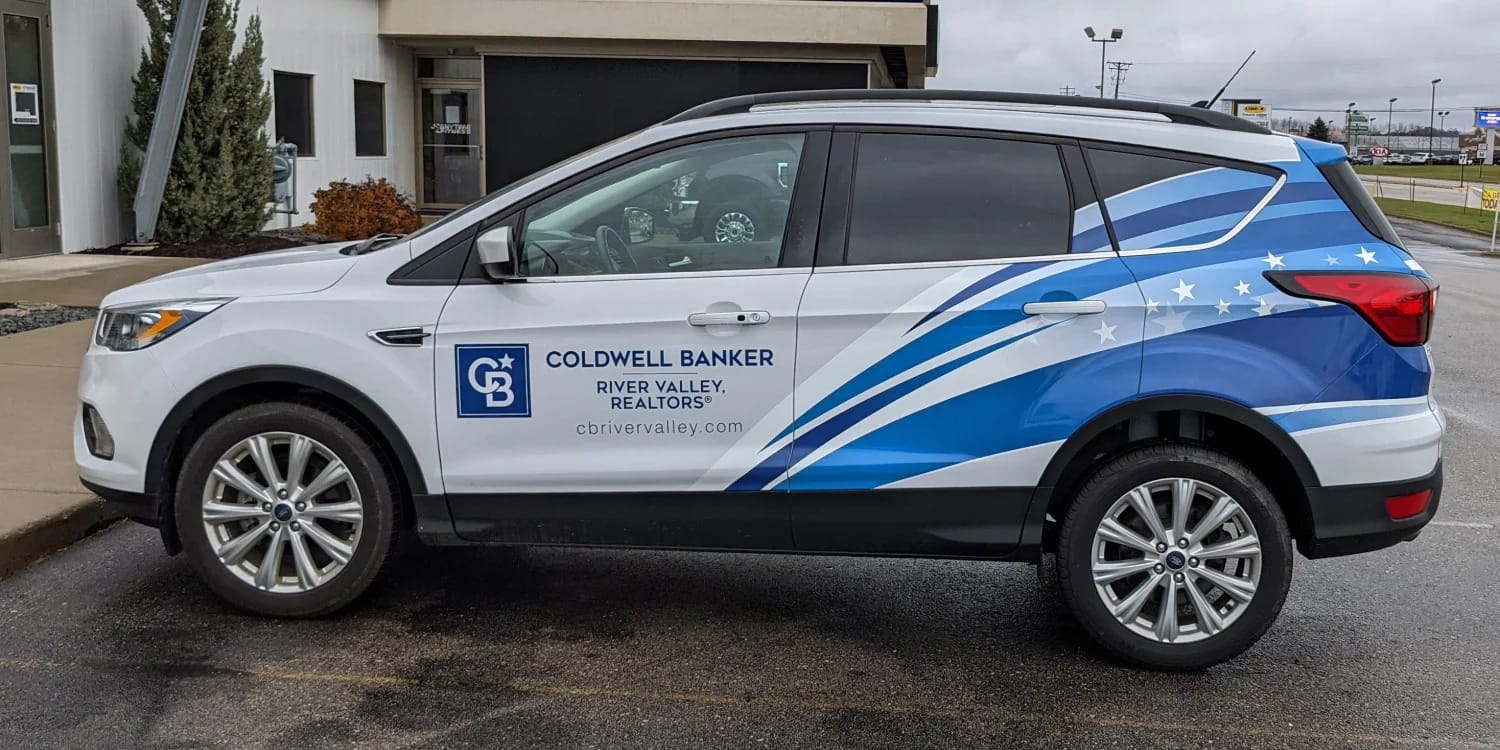
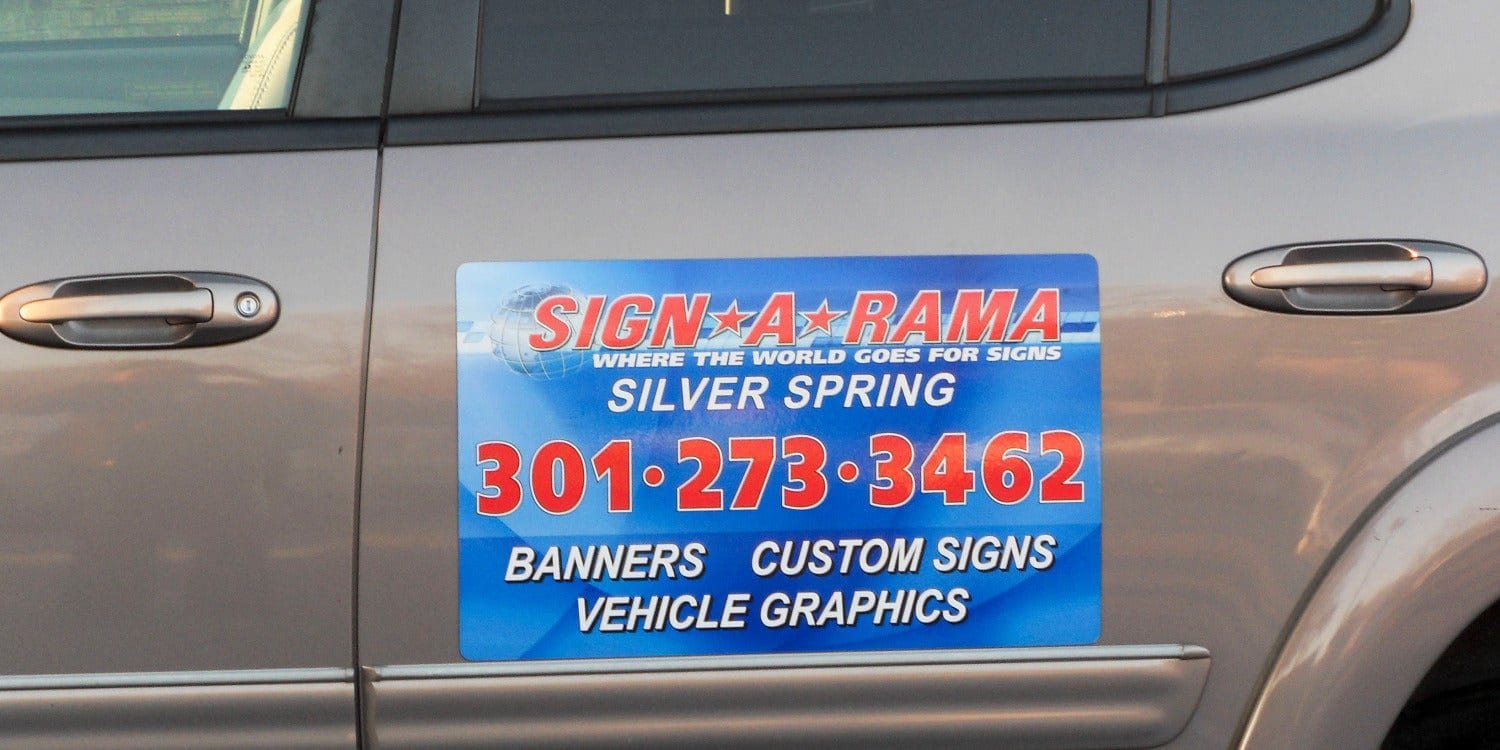
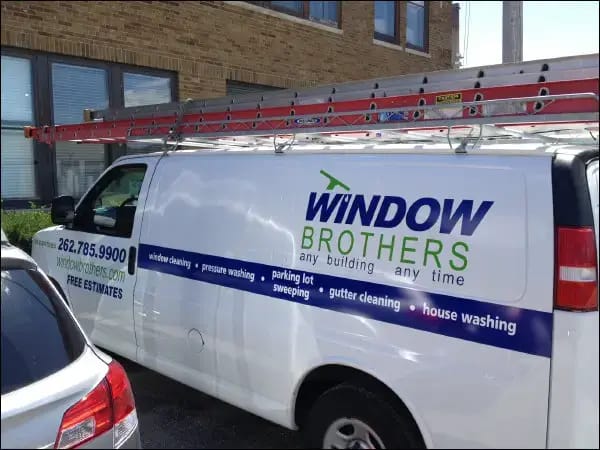
A fully wrapped van or truck is visible to thousands of people every single day – on the motorway, in car parks, parked outside a job site in a residential neighborhood. Unlike a billboard that sits in one place, a wrapped vehicle takes your brand into every area your team operates in.
The cost per impression over the lifespan of a vehicle wrap is one of the lowest of any advertising medium available to small and medium businesses. It is a one-time investment that works every day for years.
Digital Signage
Digital signs have become genuinely accessible over the past few years. The hardware costs have dropped, the software is easier to manage, and the flexibility they offer is something static signs simply cannot match.
For a restaurant, a digital menu board means you can change prices, add seasonal specials, and pull items that are sold out – without printing anything. For a retail shop, you can run different promotions at different times of day. For a corporate lobby, you can display live company news, welcome specific visitors, or rotate through brand content automatically.
If your business has messaging that changes frequently, digital is worth the investment.
Temporary and Event Signage
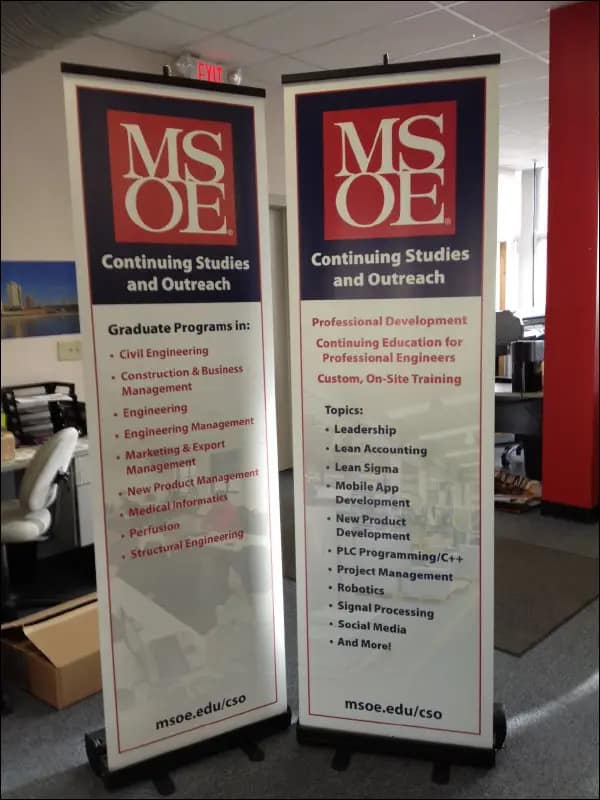
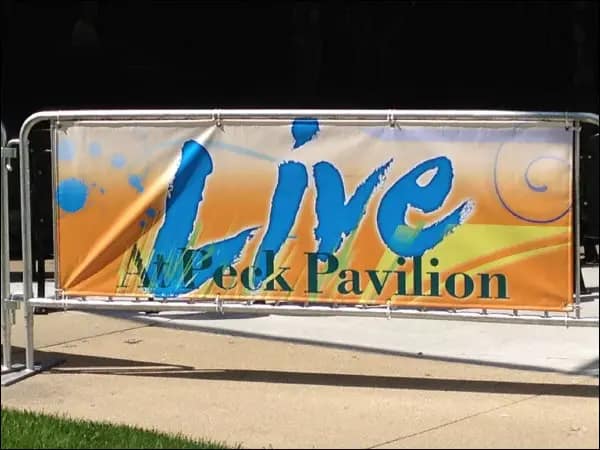
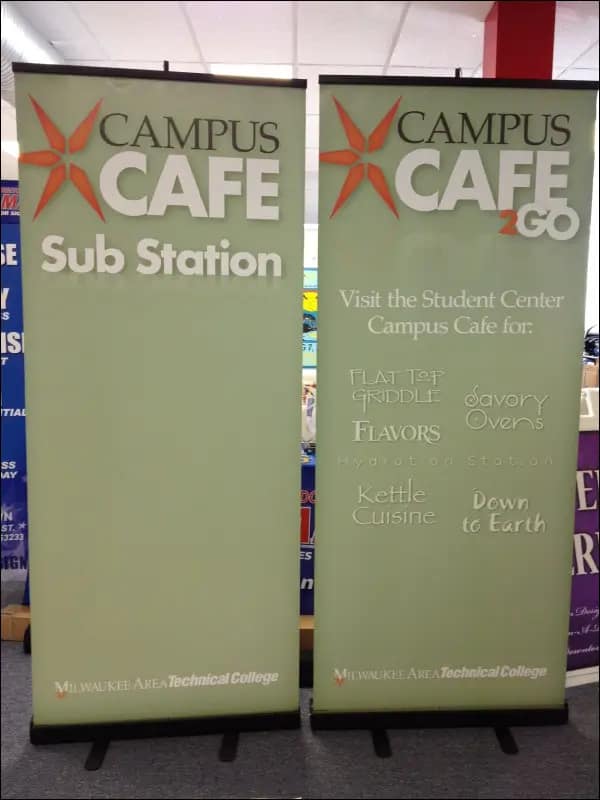
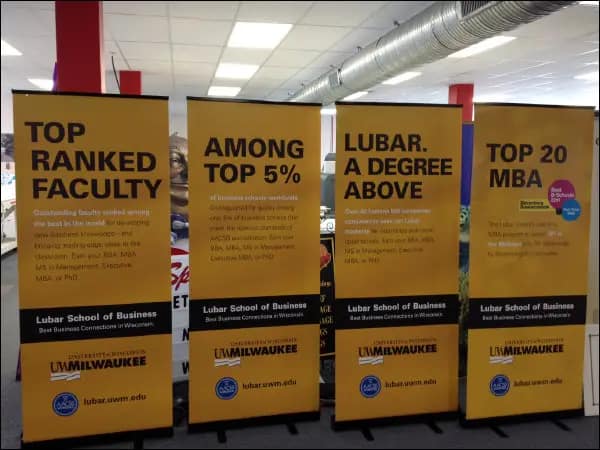
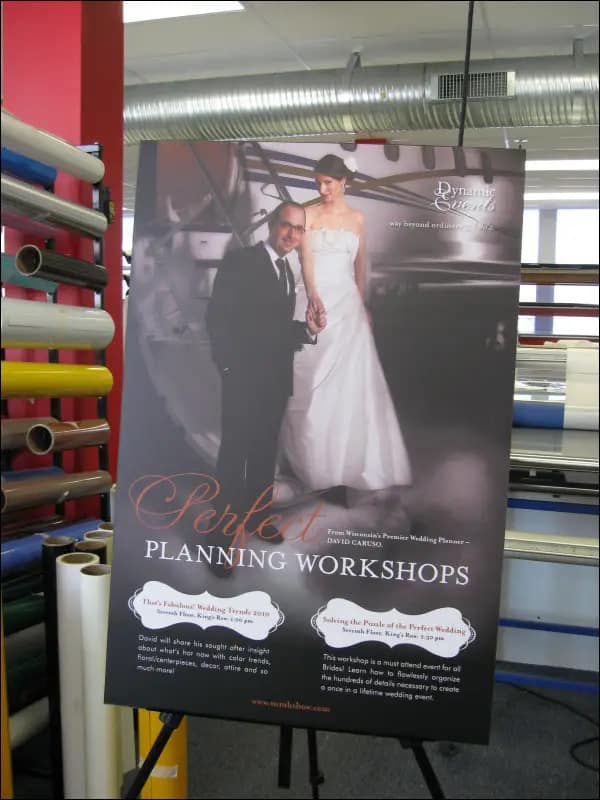
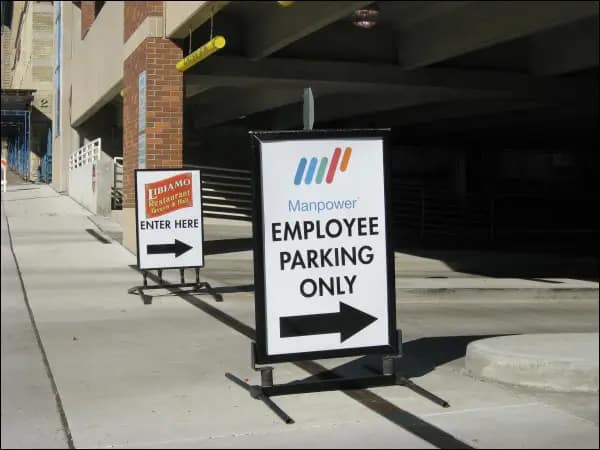
Banners, retractable stands, A-frames, and pop-up displays are easy to underestimate. They are temporary by nature – but that does not mean they should look thrown together.
At a trade show, your display is your entire brand presence in that room. Every other business has a booth too. The ones that invested in quality graphics and a coherent visual presentation stand out clearly from the ones that printed something at the last minute. That difference in perceived professionalism translates directly into how seriously potential customers and partners take you.
Choosing the Right Materials – This Is Where Mistakes Get Expensive
Material selection is one of the areas where businesses most often get it wrong – usually because they chose based on price without understanding what they were trading off.
Aluminum is the standard for exterior applications. It is lightweight, does not rust, holds up in all weather conditions, and takes paint and vinyl graphics well. Most permanent outdoor signs are built on an aluminum substrate for good reason.
Acrylic gives a polished, high-end look that works particularly well for interior lobby signs and dimensional lettering. It is available in a wide range of colors, finishes, and thicknesses.
PVC Foam Board is lightweight and easy to work with. Fine for interior signs and short-term outdoor use, but it will not survive years of direct sun and rain without degrading.
Coroplast is corrugated plastic – inexpensive, lightweight, and appropriate for temporary outdoor signage like event directionals or short-term promotional signs. It is not a material for anything you want to look professional long-term.
HDU (High Density Urethane) machines like wood but does not rot, crack, or absorb moisture. It is the material of choice for carved dimensional signs and high-end monument signs.
Vinyl is everywhere in the signage industry – vehicle wraps, window graphics, wall graphics, banners. Quality varies significantly by grade. For anything going outdoors permanently, always use cast vinyl rated for exterior applications. Calendered vinyl is cheaper but it shrinks over time and does not conform well to curved surfaces.
Design Principles That Actually Hold Up in the Real World
Good sign design is not about what looks impressive in a mock-up file. It is about what communicates clearly to a person who has maybe two seconds to read it while walking or driving past.
Readability at distance and speed comes first. Clean, bold typefaces. High contrast between text and background. Nothing decorative in the primary message. If someone squints to read your sign, it has failed at its most basic job.
Less is more – always. A sign is not the place to list your services, your tagline, your phone number, and your website all at once. Your business name and what you do. That is the core message. Everything else is noise that dilutes the impact of the core.
Brand consistency across every sign. The colors, fonts, and logo treatment on your exterior sign should match your interior signs, your vehicle graphics, your banners, and your window graphics exactly. Inconsistency looks careless, and careless is not a brand quality any business wants to project.
Design for the actual environment. A sign that looks well-proportioned on a screen can look tiny on a building facade. Size everything based on real viewing distances, real lighting conditions, and the actual architectural context where the sign will live.
What Commercial Signage Costs – Realistic Numbers
| Sign Type | Approximate Cost Range |
| Vinyl Banner | $50 – $300 |
| A-Frame / Sidewalk Sign | $100 – $400 |
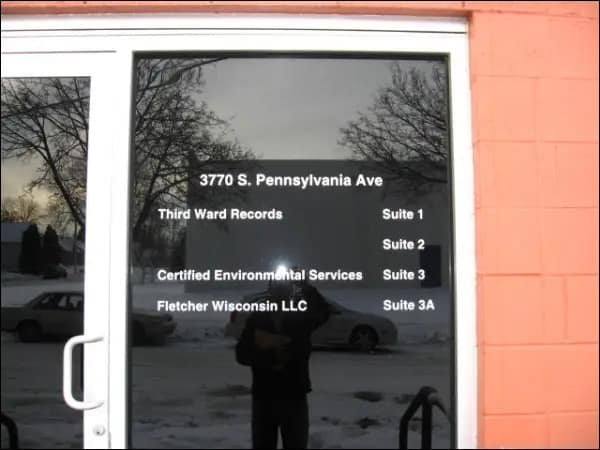
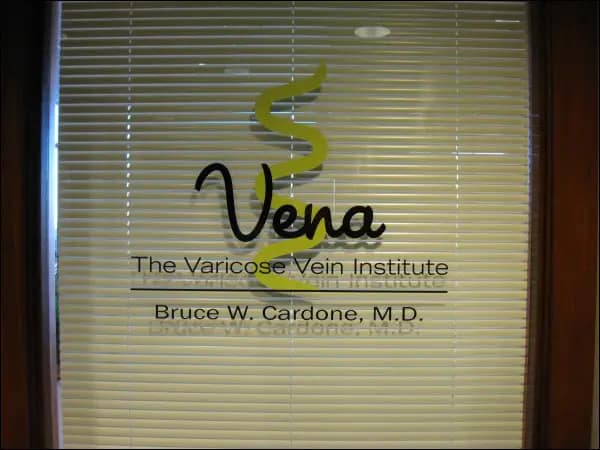
| Window Graphics | $200 – $1,500 |
| Interior Lobby Sign | $500 – $5,000+ |
| Illuminated Cabinet Sign | $1,500 – $8,000+ |
| Channel Letter Sign | $3,000 – $15,000+ |
| Full Vehicle Wrap | $2,500 – $5,000+ |
| Digital LED Sign | $5,000 – $50,000+ |
These numbers vary based on location, complexity, size, and material specifications. They are starting points, not fixed prices. Get a detailed quote for your specific project before budgeting.
Permits – The Part That Catches People Off Guard
Almost every municipality regulates commercial signage. Size limits, height restrictions, illumination rules, setback requirements, design guidelines in historic zones – the rules vary enormously from one location to the next, and ignoring them is an expensive mistake.
A sign installed without the required permits can be ordered removed at your expense, regardless of how much you paid for it. The permitting process also takes time – sometimes weeks – so factoring it into your project timeline from the start saves you from delays that push back your opening or your campaign launch.
Signarama has navigated permitting requirements across a wide range of commercial environments, which is one of the practical advantages of working with an established commercial signage solutions provider rather than going directly to a fabricator who handles production but leaves the rest to you.
How to Choose a Signage Partner Worth Working With
The signage company you choose matters as much as the sign itself. Here is what to actually look for:
Full-service from design through installation. You do not want to manage three separate vendors for design, fabrication, and installation. One partner who handles all of it means one point of accountability.
Real portfolio of relevant work. Look at actual completed projects – not just renders. Ask to see exterior signs, interior work, and vehicle wraps that are comparable to what you need.
Permitting knowledge for your area. This saves you time, money, and the headache of navigating local bureaucracy yourself.
Honest material recommendations. A good signage partner explains what they are specifying and why. If a quote arrives without material details, ask for them.
Post-installation support. Signs need maintenance over time. Know what kind of ongoing service is available before you sign anything.
Frequently Asked Questions
Q: How long should a quality exterior sign last?
A: A well-made aluminum or channel letter sign installed correctly should last ten years or more with basic maintenance. Vinyl graphics on exterior surfaces typically need refreshing every five to seven years depending on sun exposure and climate.
Q: Does every commercial sign require a permit?
A: Not all of them. Small interior signs and most temporary signs do not typically require permits. Permanent exterior signs almost always do. Check local ordinances or work with a signage provider who handles permitting as part of their service.
Q: Are vehicle wraps worth the investment for small businesses?
A: For businesses with vehicles on the road regularly, yes – consistently. The cost per impression over the life of a wrap is significantly lower than most other advertising options available at a similar price point.
Q: What is the most budget-friendly starting point for a new business?
A: Quality window graphics and a well-designed A-frame sign give you solid visibility at relatively low cost. Prioritize a permanent exterior sign as soon as budget allows – it pays back in recognition and foot traffic over time.
Q: What is ADA signage and is it legally required?
A: ADA signage meets Americans with Disabilities Act requirements – including Braille, tactile characters, and specific mounting heights and placement rules. Most commercial buildings are required to have ADA-compliant signage in specific locations. A qualified signage provider can assess what your building requires.
Q: Can I manage digital signage content myself without technical knowledge?
A: Yes. Most modern digital signage systems use cloud-based management software designed for non-technical users. You can update content from a laptop, tablet, or phone from anywhere with an internet connection.
Conclusion
Your signage is not decoration. It is a business tool – one that works around the clock without breaks, without a salary, and without asking for anything beyond the initial investment and occasional maintenance.
Every business that takes commercial signage solutions seriously and builds a coherent, well-executed signage program across all of its customer touchpoints creates a cumulative advantage over competitors who are still treating signs as an afterthought. That advantage compounds over time. More recognition. More foot traffic. A stronger impression on every new customer who encounters the brand for the first time.
The businesses that look established and trustworthy almost always have signage that reflects that. It is rarely accidental.
Start by honestly assessing what your signage is communicating right now – at the road, at the entrance, in the lobby, on your vehicles. If the answer is anything less than professional, consistent, and clear, that is where the work begins.Done right, commercial signage solutions are one of the best long-term investments a business can make in its own visibility.