


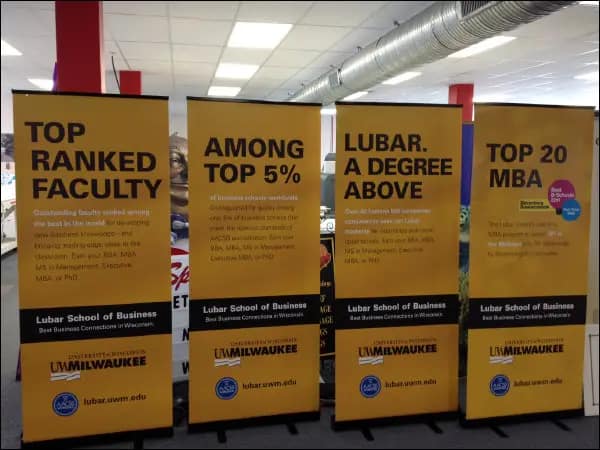
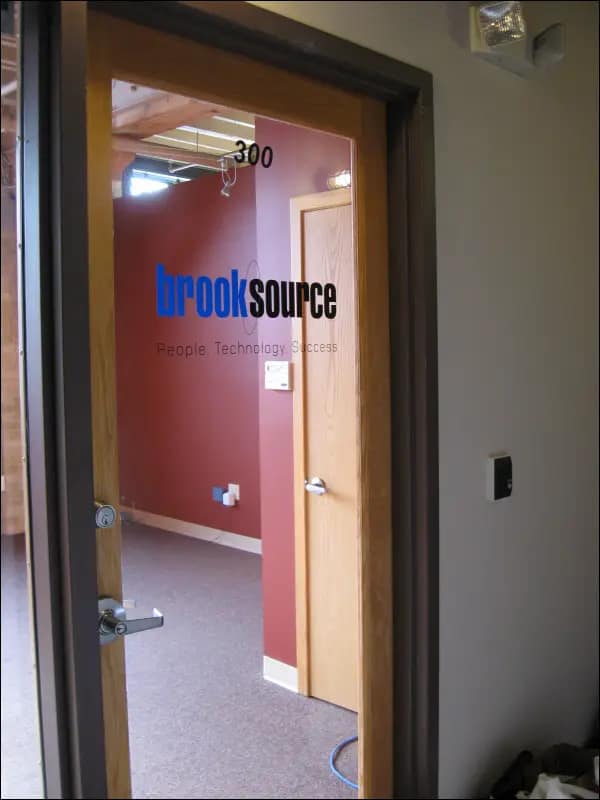
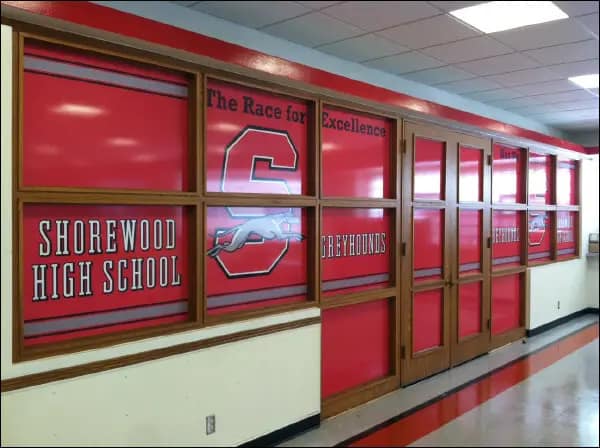
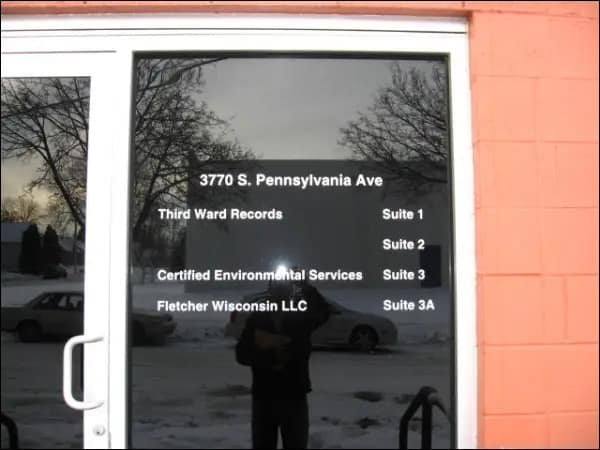



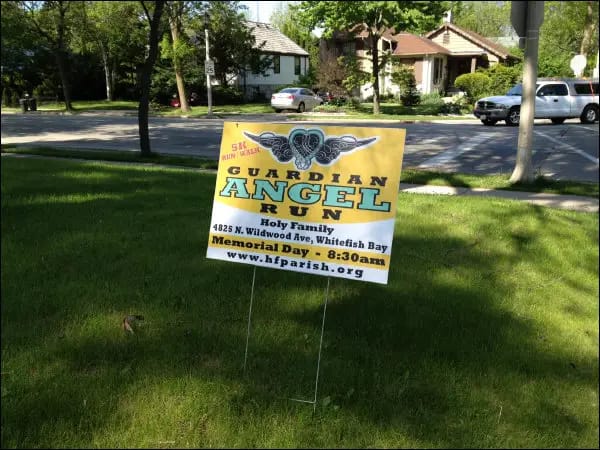

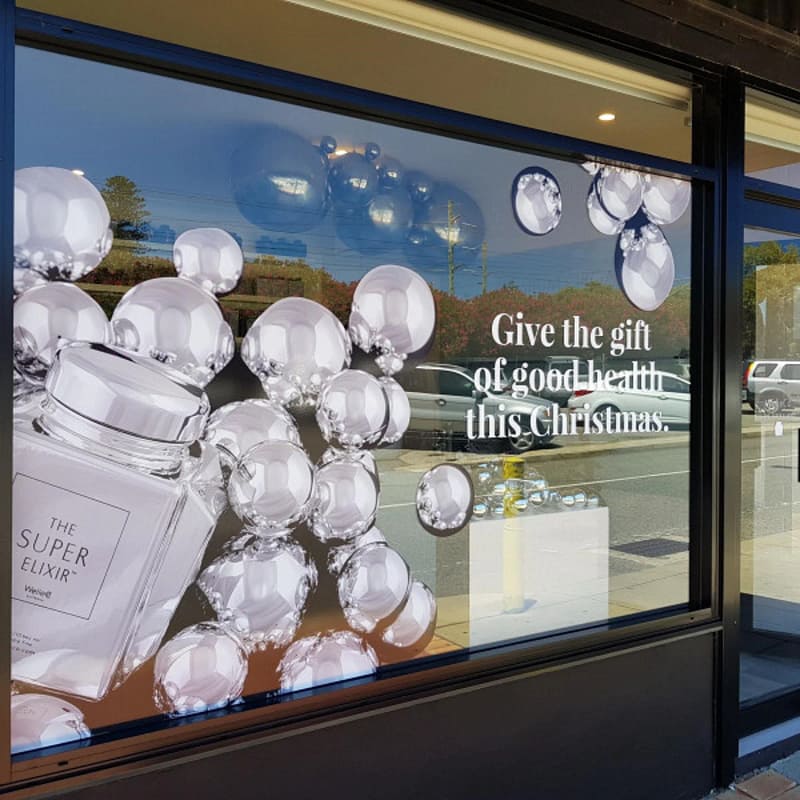
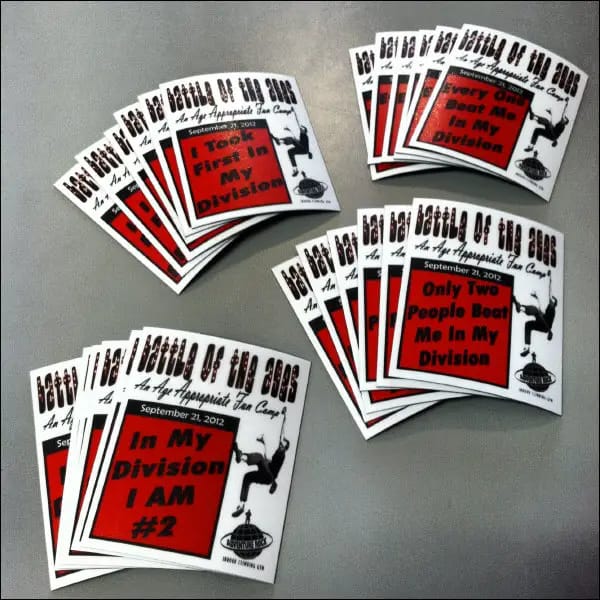



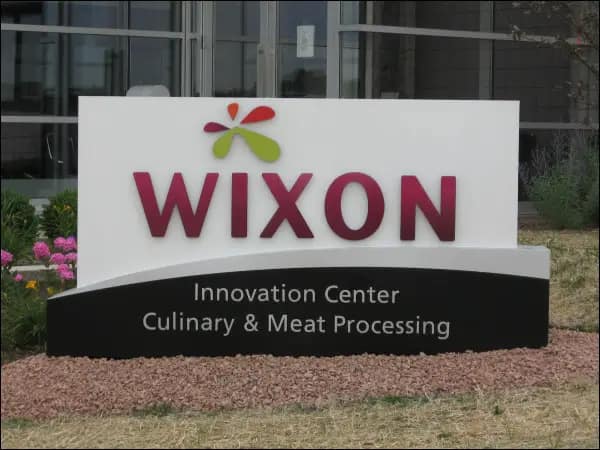


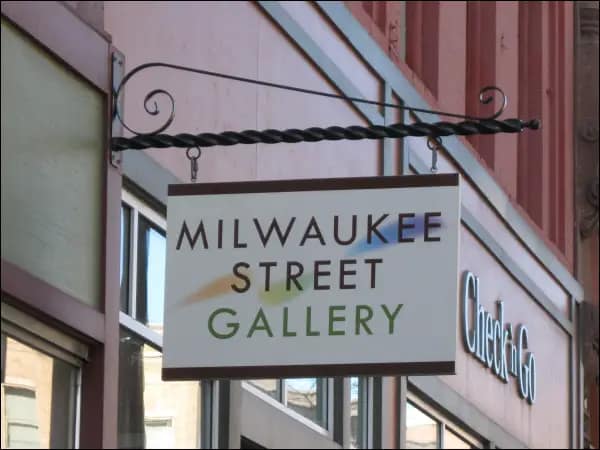
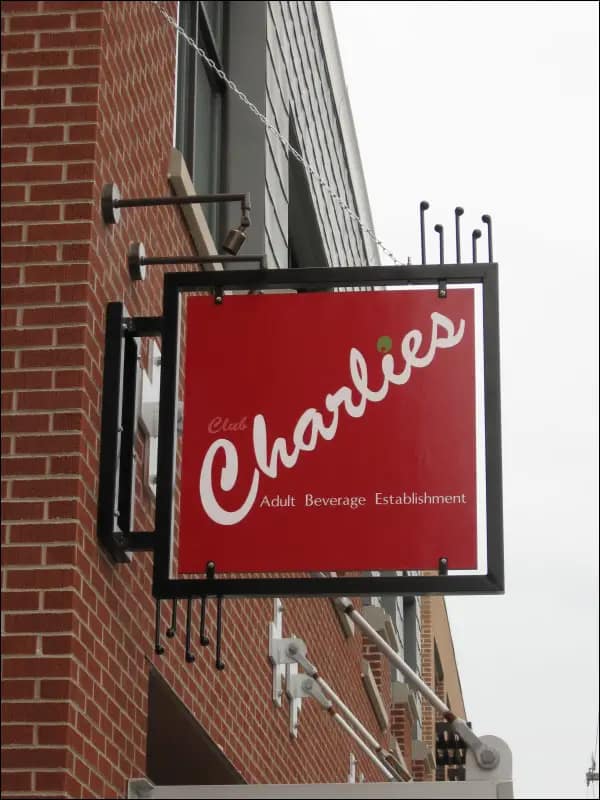

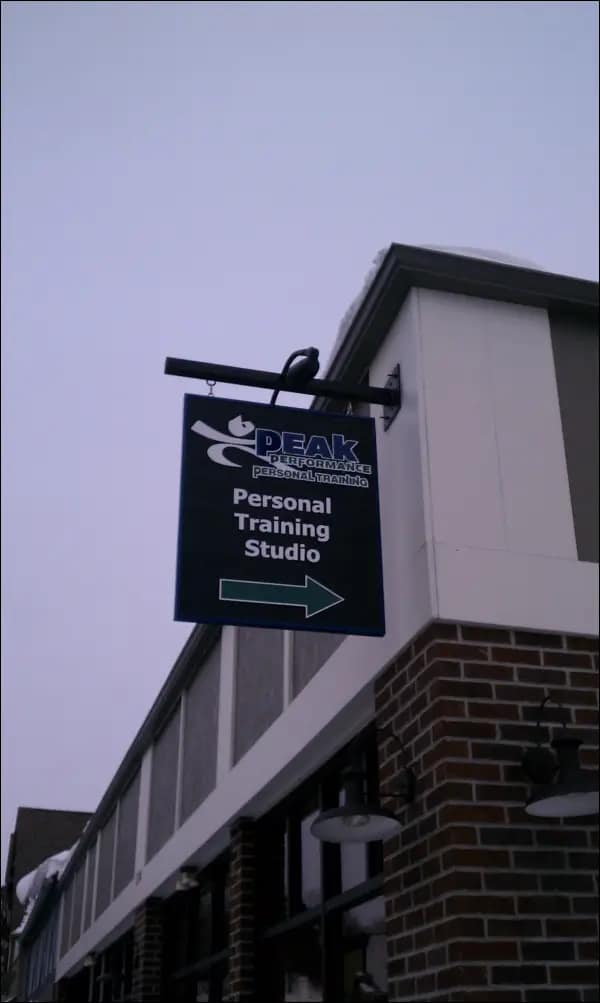
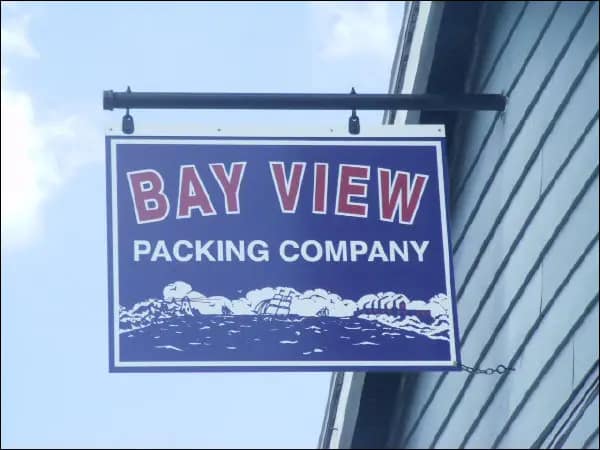
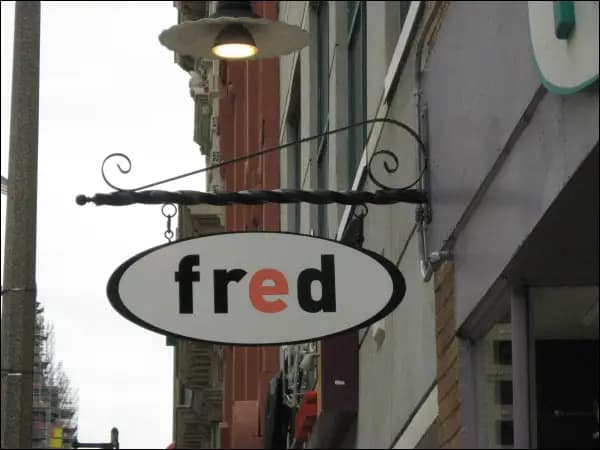
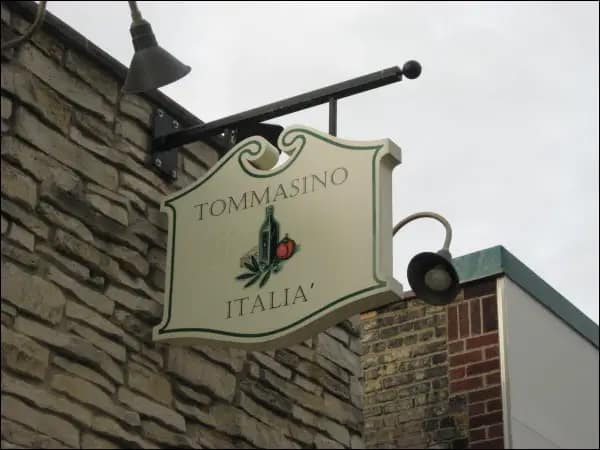
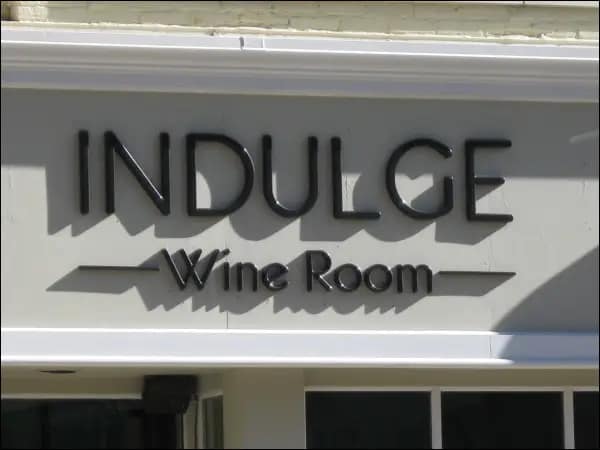
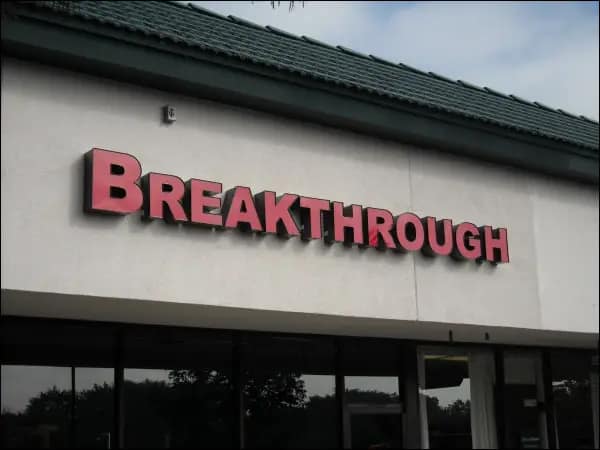
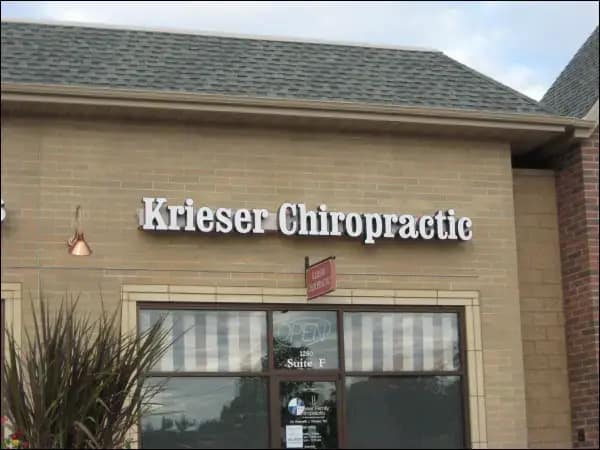
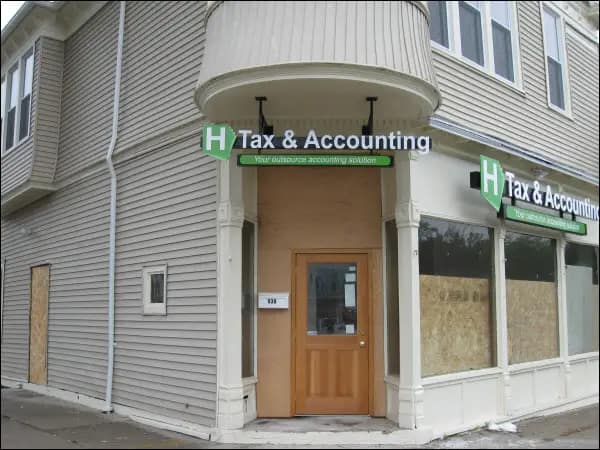
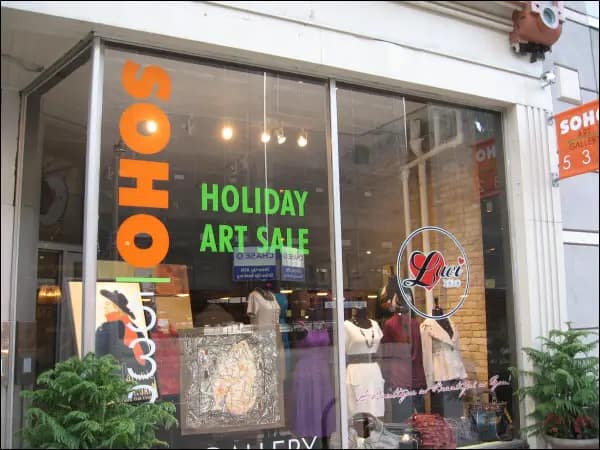



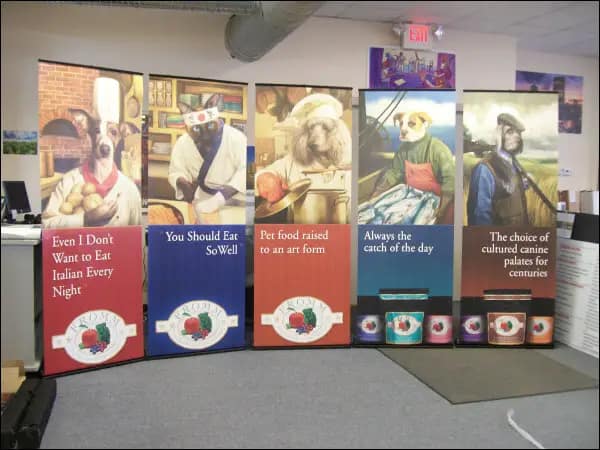
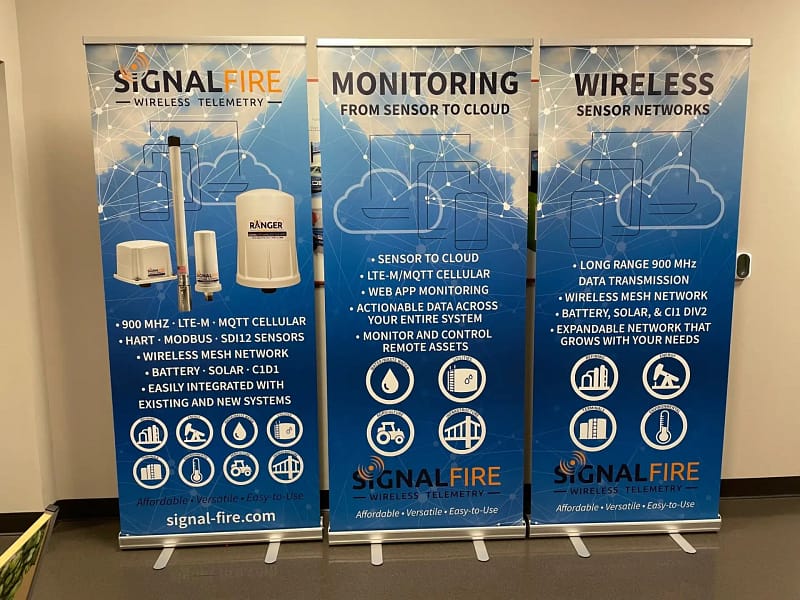
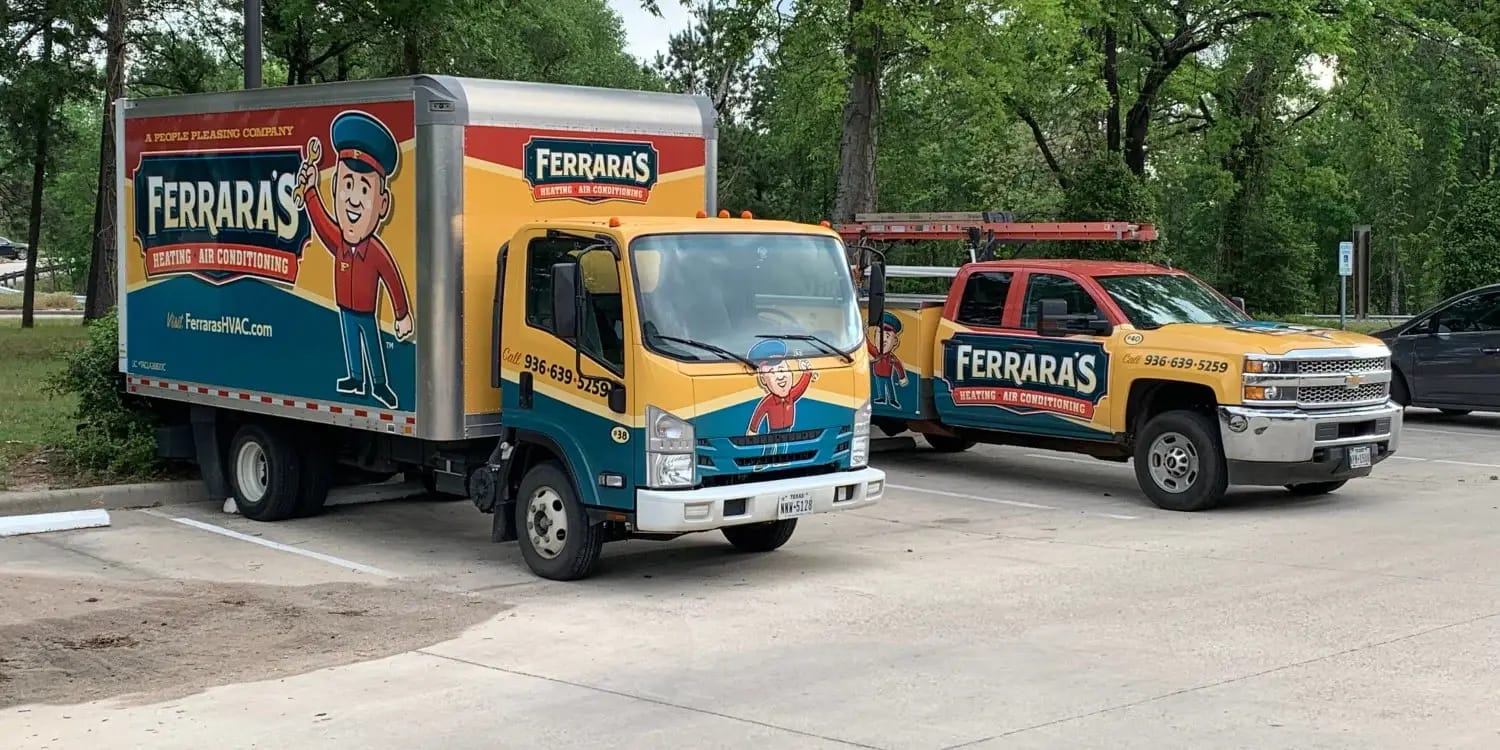
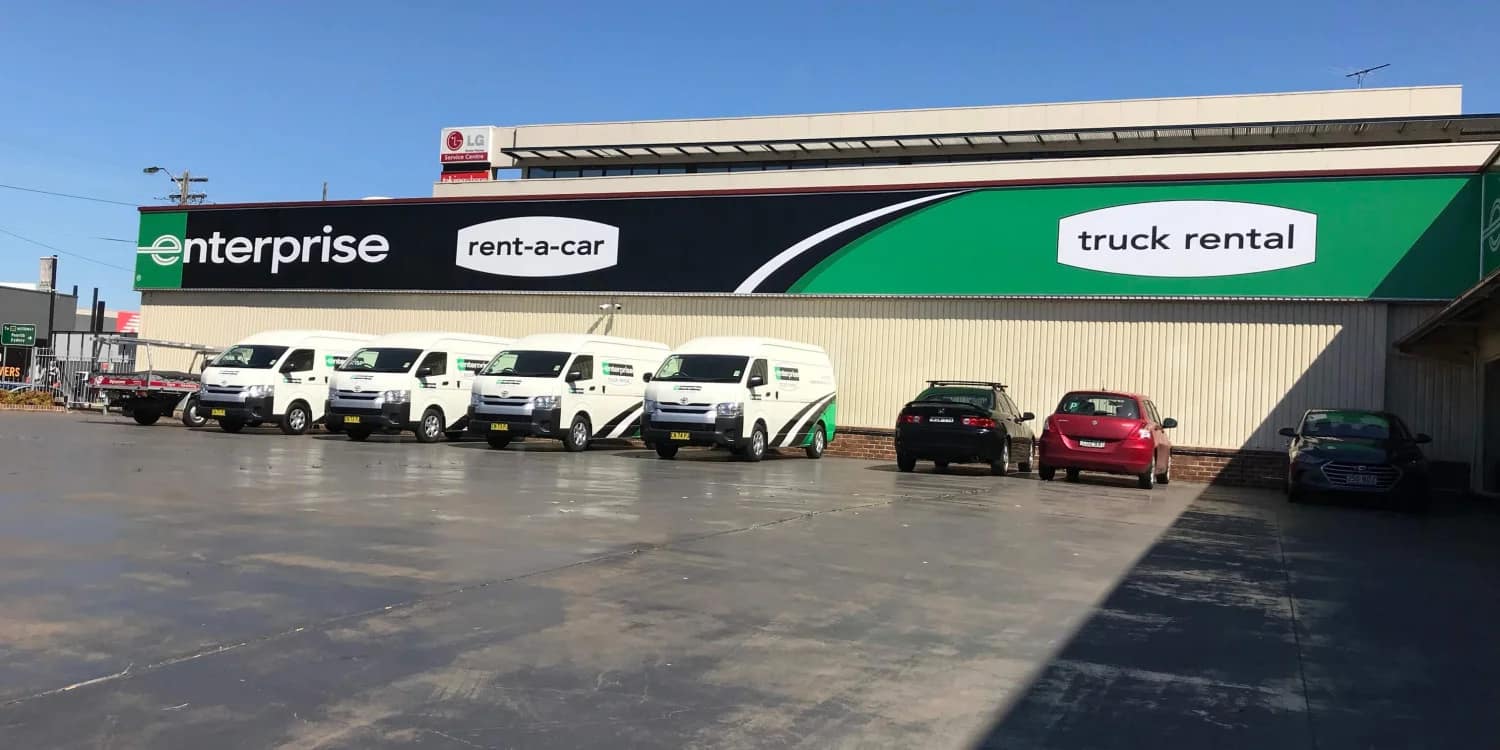
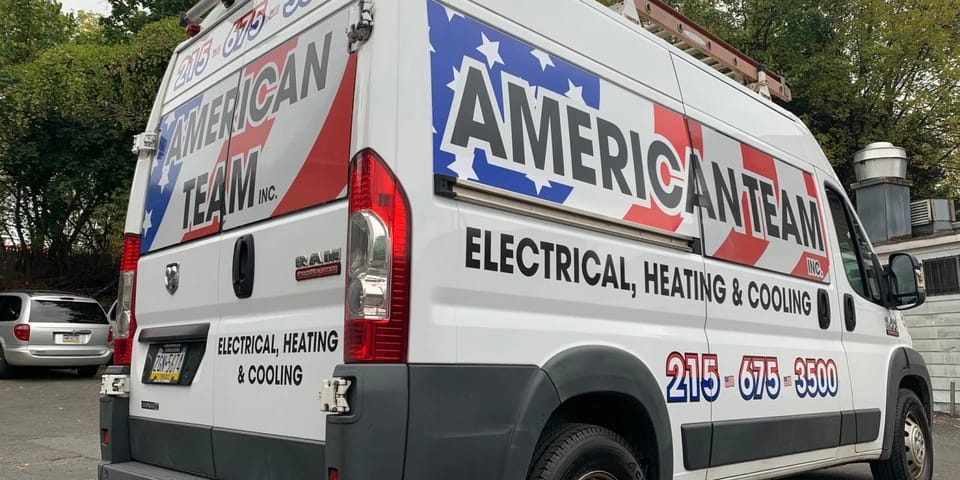
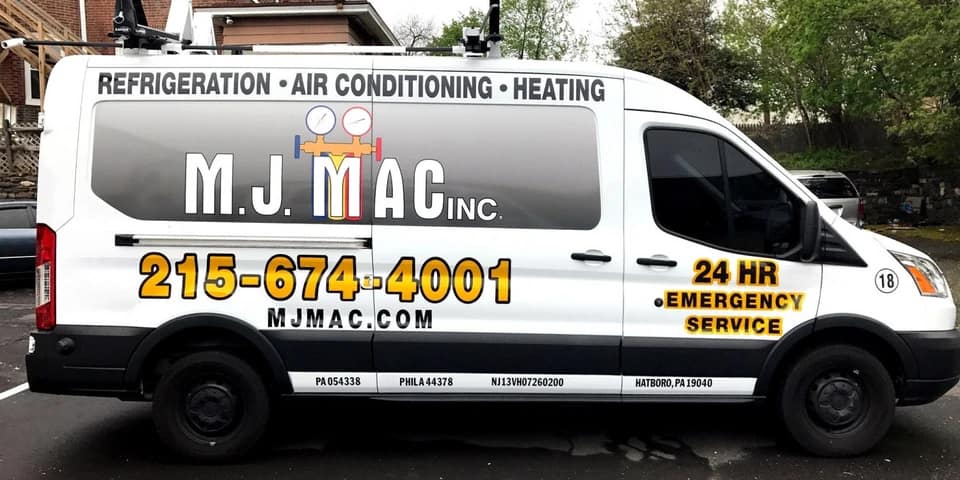
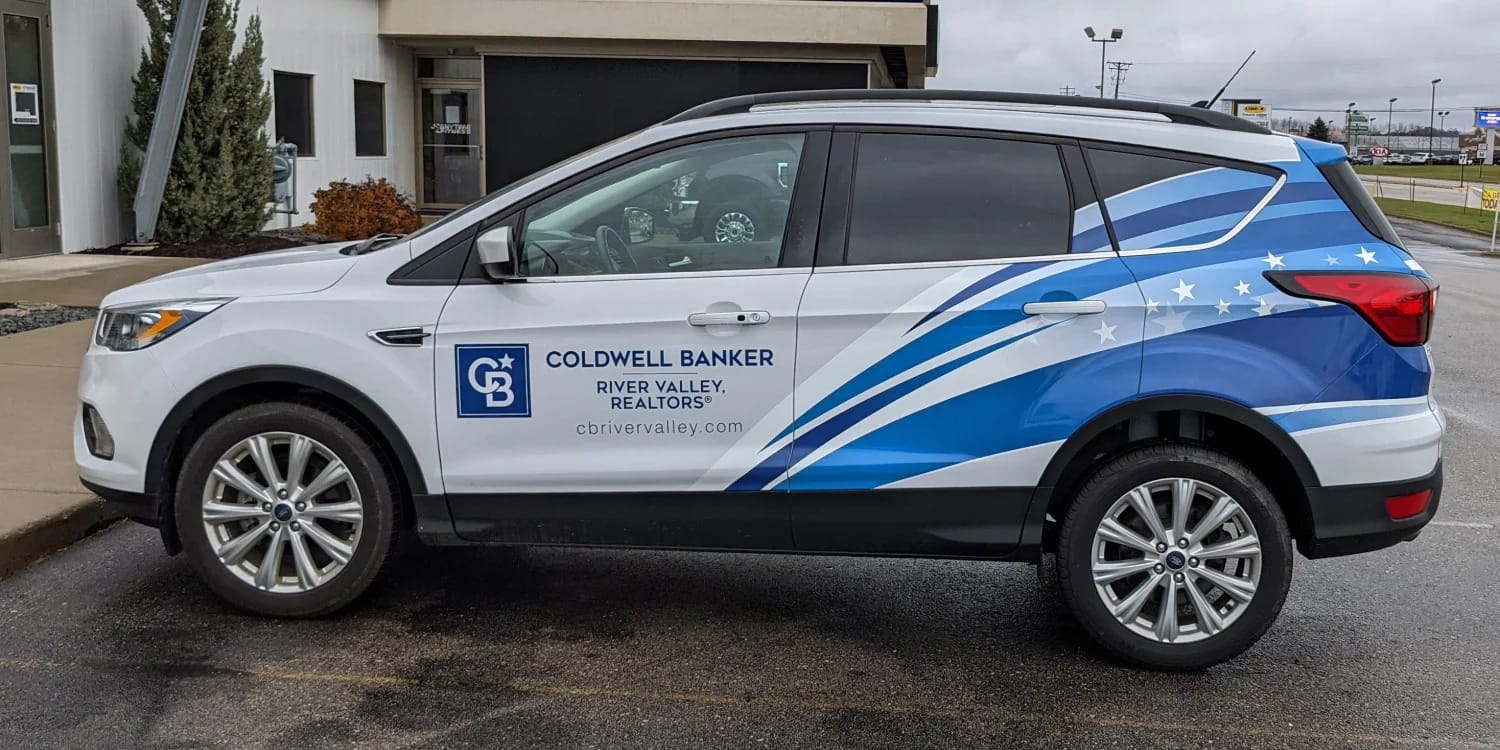
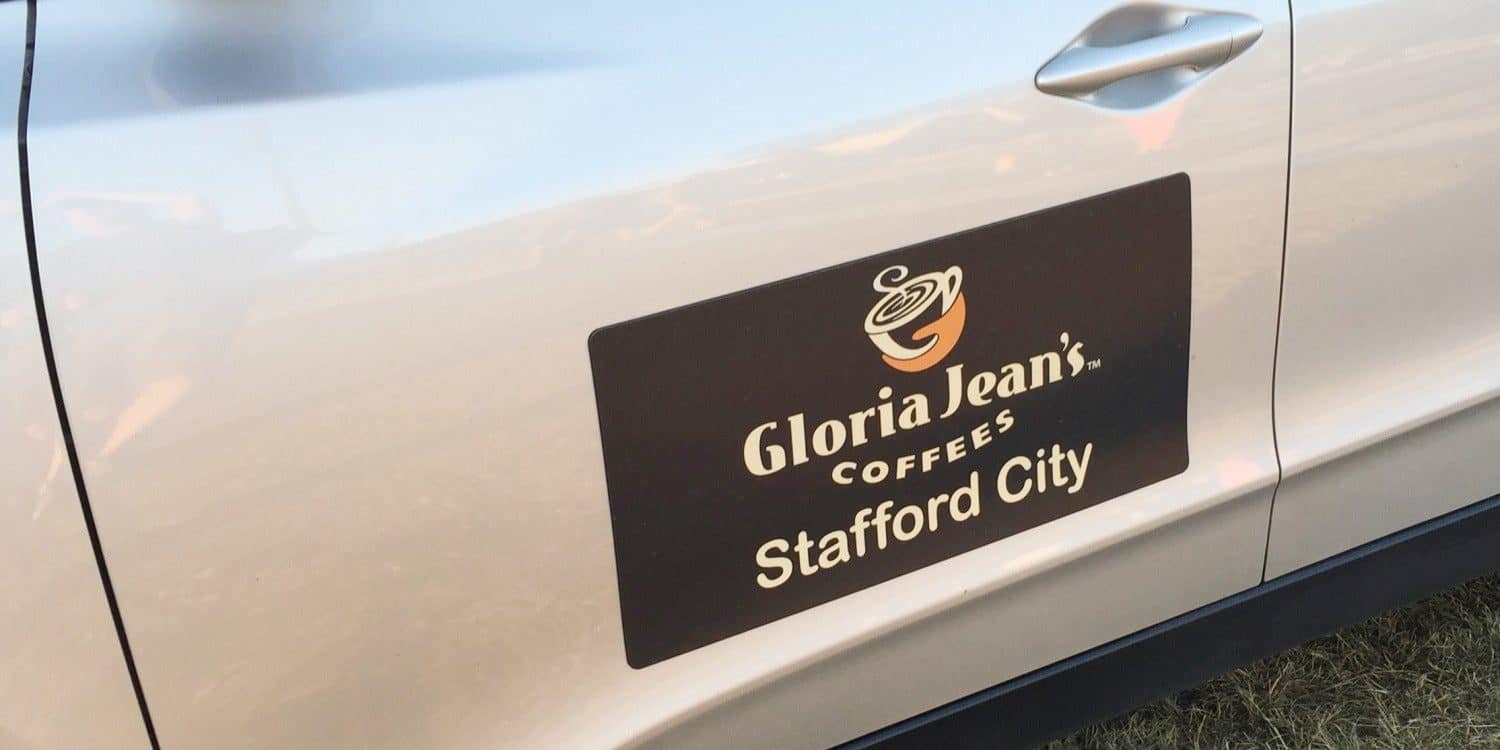


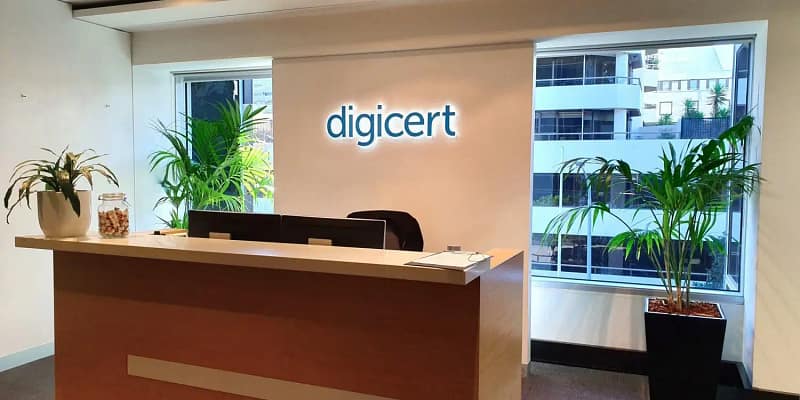

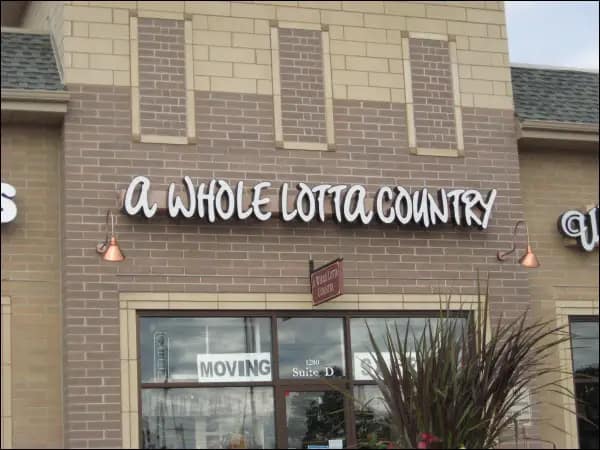


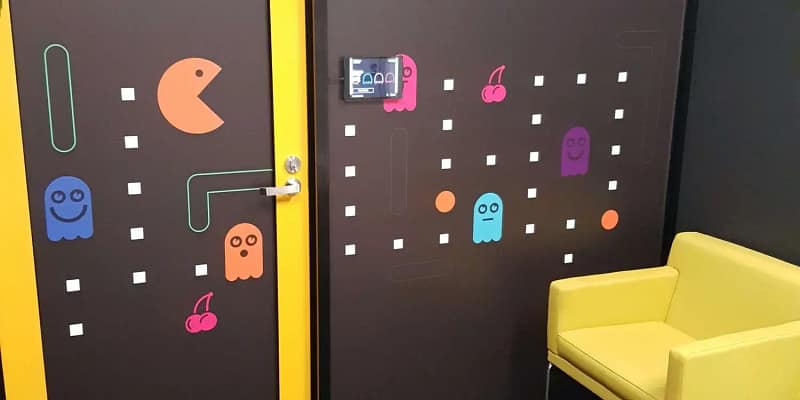
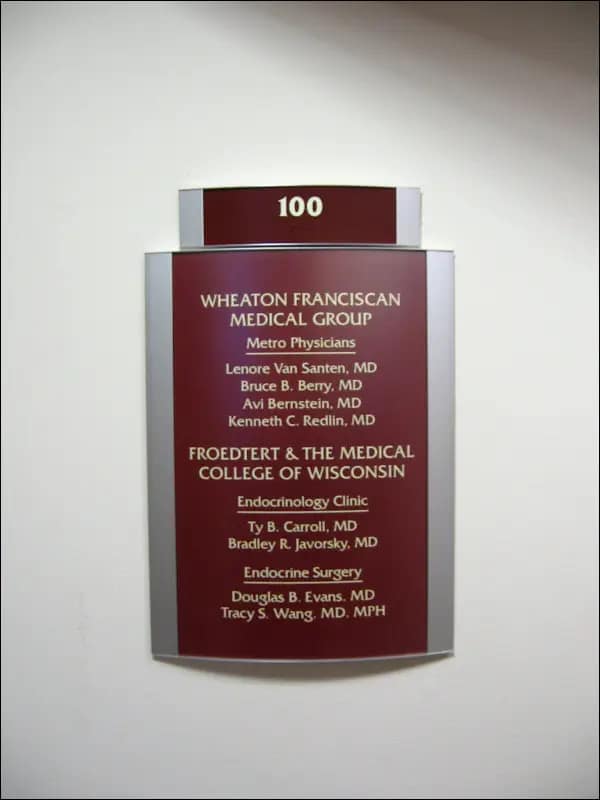

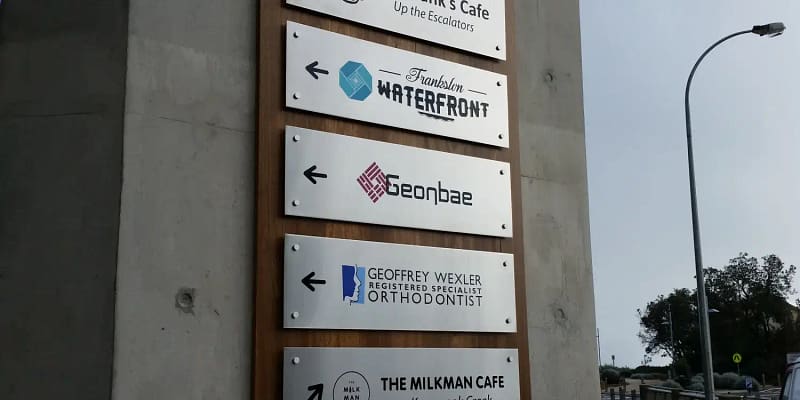


A business can have a strong logo, carefully chosen colors, and clear brand guidelines yet still look inconsistent in the physical world. Custom branding graphics bridge the gap by using the same visual identity on storefronts, windows, walls, vehicles, signs, displays, and other surfaces that customers see.
The goal is not to place a logo on every available surface. Effective branding graphics form a visual system. This system stays recognizable but adapts to each application’s purpose, size, material, viewing distance, and environment.
For businesses in Milwaukee and Southeastern Wisconsin, this means linking the look of a storefront to interior spaces, service vehicles, office graphics, and temporary promotional displays. The result is not identical graphics everywhere. It is one recognizable brand expressed appropriately across different physical touchpoints.
Signarama Milwaukee, guide covers custom branding graphics. It explains how they differ from marketing graphics. You’ll learn how to check brand consistency and which applications suit different goals. It also looks at how materials and environments affect choices, plus what factors can impact project costs.
Key Takeaways
- Custom branding graphics turn a company’s visual identity into physical customer touchpoints.
- Branding creates a steady identity. Marketing graphics share a specific offer, campaign, or message.
- Storefronts, windows, walls, vehicles, banners, and decals have different roles. So, they shouldn’t all share the same design.
- A physical brand audit can spot outdated logos, inconsistent colours, mismatched typography, worn graphics, and other issues before new graphics are created.
- Viewing distance, surface, material, lighting, durability, and installation conditions should influence the design.
- Project cost relies on factors like size, amount, material, design complexity, surface prep, installation, and expected lifespan.
- The best branding systems stay true to core identity elements. They change layout and messaging for each environment.
What Are Custom Branding Graphics?
Custom branding graphics are printed designs that show a business’s visual identity. They are used in various customer-facing applications.
Instead of treating a storefront sign, vehicle graphic, wall display, window decal, and banner as unrelated projects, a branding system connects them through common elements such as the logo, brand colors, typography, imagery, patterns, and messaging.
The application still needs to change based on where the graphic will be seen. A storefront may require a business name and logo that remain readable from the street. A vehicle should have a simpler design that people can grasp quickly as they pass by. An interior wall can feature larger images or messages. This is because people usually have more time to look at them. A temporary banner may introduce a campaign or event while retaining enough of the core identity to remain recognizable.
This distinction is important: brand consistency does not mean design uniformity. It means the same underlying identity remains recognizable even when the layout, scale, message, or material changes.
Branding vs. Marketing: What Are the Graphics Actually Doing?
Branding and marketing overlap, but they are not the same job.
Branding establishes the visual identity that helps people understand and recognize a business. It includes elements such as the logo, color system, typography, imagery, and overall visual style.
Marketing communicates a specific message intended to generate attention or action. That could be a seasonal promotion, event announcement, new service, product launch, or limited-time offer.
A storefront sign is usually branding-first because its primary job is to identify the business. A window graphic might be branding-first, marketing-first, or both, depending on whether it primarily reinforces the identity or promotes a current offer.
The distinction helps prevent a common problem: allowing every temporary promotion to change the appearance of the overall brand. A campaign can have its own message and imagery while still using the established logo, colors, typography, and visual rules.
The practical rule is simple:
Keep the identity stable. Change the message when the business objective changes.
Why Custom Graphics Matter to Physical Brand Identity
A brand does not exist only on a website, social media profile, or business card. Customers encounter businesses in physical environments too. A person might spot a company vehicle on the road. Days later, they see the storefront. They then walk into the office and find a branded banner at a community event. When touchpoints have similar visuals, each interaction reinforces the same business identity.
That does not require every surface to look identical. A vehicle and a lobby wall have different viewing conditions and different communication goals. What should remain connected are the core identity elements and the overall visual language. Consistent physical graphics can also improve practical communication. They can help visitors identify a location, understand where to enter, recognize company vehicles, find departments, or connect an offline experience with the company’s digital presence.
The useful question is therefore not:
“How can we put the logo everywhere?”
It is:
“Which physical touchpoints matter to customers, and how should the brand appear on each one?”
The Core Elements of a Consistent Graphic Brand
A consistent graphic system usually starts with a small group of recognizable elements.
Logo
The logo is a primary identifier, but it should not necessarily appear at the same size or position everywhere. A detailed logo may work well on a large wall while a smaller decal may require a simplified treatment or increased spacing.
Brand Colors
Consistent colors connect separate applications. But, colour choice must also consider the surface, surroundings, lighting, and contrast needs. A color that appears accurate on a computer monitor may reproduce differently when printed, painted, cut from vinyl, or applied to another material. Production specifications should therefore be established before multiple graphics are produced.
Typography
Typography contributes to recognition and personality. A brand that uses several unrelated typefaces across signs, vehicles, walls, and promotional graphics can begin to look fragmented.
The goal is not necessarily to use one font everywhere. The goal is to establish a controlled type system that remains recognizable across applications.
Imagery and Visual Style
Photography, illustrations, patterns, icons, textures, and other visual elements can reinforce a brand. Their role should be intentional. A big wall graphic can use photos to set a mood. In contrast, a vehicle might need just a bit of imagery since viewers see it briefly.
Messaging
The visual identity can remain consistent while the wording changes. A storefront may primarily identify the company. A wall graphic may communicate values or services. A banner may promote an event. A window graphic may explain an offer. The message should show the application’s purpose, not just be copied from one place to another.
Contrast and Legibility
A graphic needs sufficient contrast and appropriate text size for the environment in which it will be viewed. A design that looks balanced on a monitor can become difficult to read from a road, across a lobby, through a storefront window, or on a moving vehicle.
A Practical Physical Brand Consistency Audit
Before ordering new graphics, audit what customers already see.
1. Photograph the Existing Touchpoints
Take photos of storefront signs, windows, doors, interior walls, vehicles, banners, displays, and any other branded surfaces. Looking at the graphics together makes it easier to spot inconsistencies than checking each application alone.
2. Check the Logo Files
Look for outdated logos, distorted shapes, low-res files, uneven spacing, or different versions used without a clear reason. A brand system is hard to manage if production starts from old files instead of a master version.
3. Compare Brand Colors
Compare colors across signs, printed materials, vehicles, walls, and digital properties. Give production teams clear color specs like Pantone, CMYK, RGB, or HEX values. Don’t rely on visual guesses.
4. Review Typography
Identify the typefaces currently used across physical graphics. Several unrelated fonts can indicate that different graphics were created independently rather than from a shared brand system.
5. Assess Condition and Wear
Check for fading, peeling, cracking, damaged surfaces, stains, outdated information, and other visible deterioration. A technically consistent design can still create a weak brand impression if the physical graphics are visibly worn.
6. Compare Physical and Digital Branding
Review the website, social profiles, printed materials, storefront, vehicles, and interior graphics together. The goal is not identical layouts. The goal is recognizable visual continuity.
7. Prioritize the Gaps
Not every problem needs to be corrected simultaneously. Prioritise based on visibility, customer impact, safety or compliance needs, project cost, and expected lifespan. A highly visible exterior graphic that is outdated or damaged may deserve attention before a minor inconsistency in an interior application.
How Businesses Use Custom Branding Graphics
The best application depends on the branding job that needs to be accomplished.
Storefront and Exterior Graphics for Brand Recognition
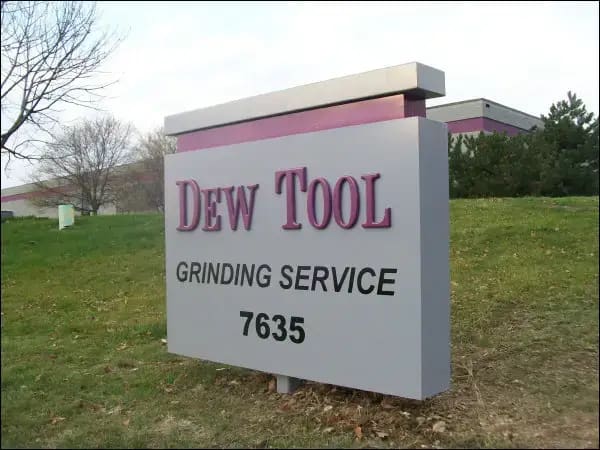
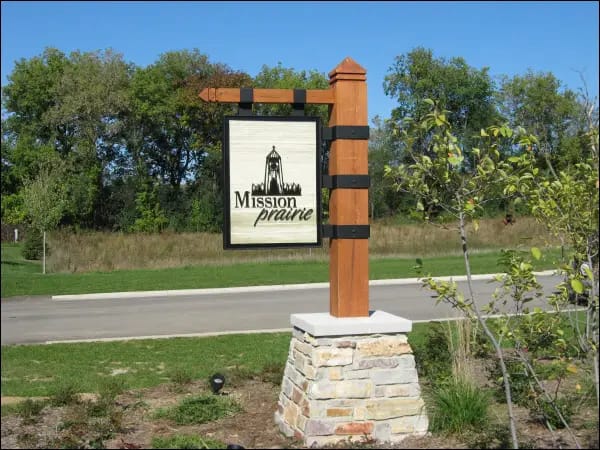
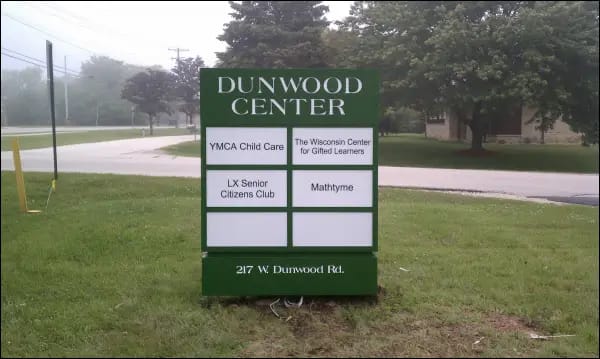
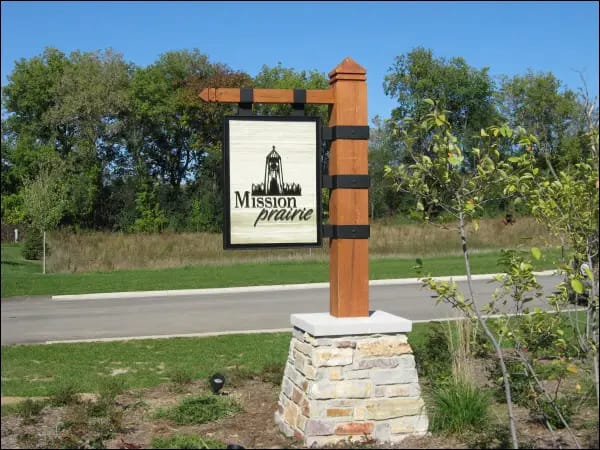
Exterior graphics create one of the most important physical identifiers for a business. Storefront signs, dimensional letters, logos, exterior lettering, and related graphics must clearly show the business name and identity from a distance. The design should account for the building façade, surrounding visual competition, viewing angles, lighting, sign dimensions, and local requirements.
Milwaukee businesses should consider local regulations and permits for exterior sign projects. The City of Milwaukee has historically regulated sign size, placement, materials, and related conditions, so requirements should be checked for the specific property and project rather than assumed.
Window and Door Graphics for Additional Brand Space
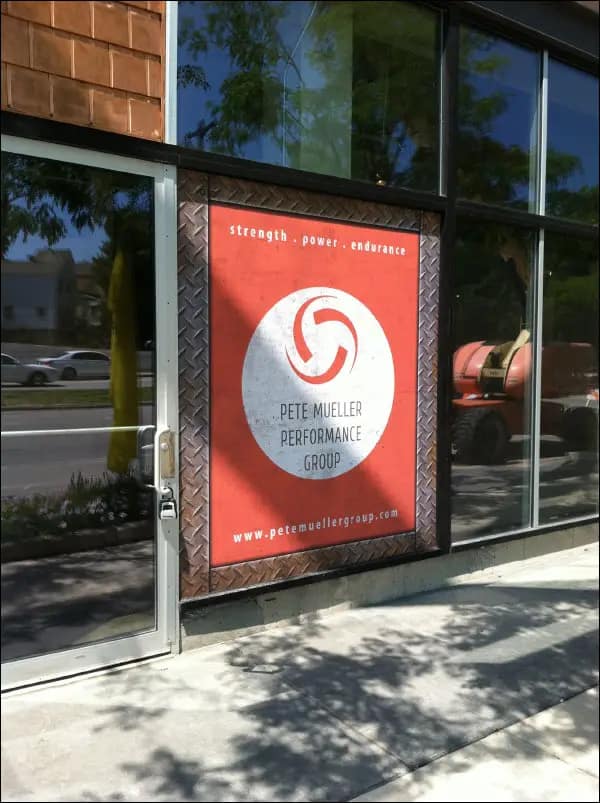
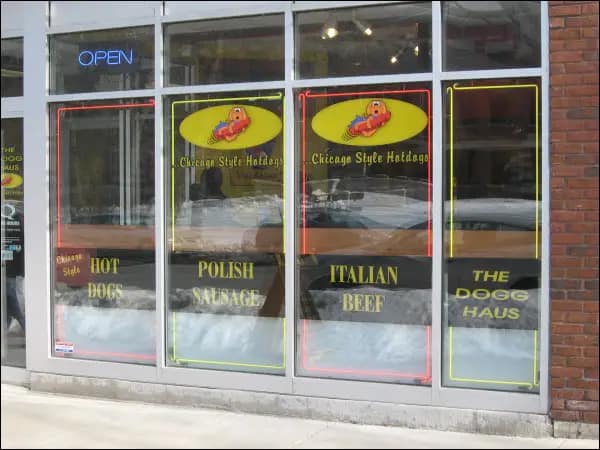
Windows and doors provide useful branded surfaces without requiring another freestanding display. Businesses can use them for logos, patterns, service information, promotional messages, hours, directional information, or other visual elements. The design should consider whether people view the graphic from outside, inside, or both directions. Glass also introduces practical considerations involving transparency, adhesion, lighting, reflections, and the amount of information that can be understood without making the surface visually crowded.
Wall Graphics for Environmental Branding
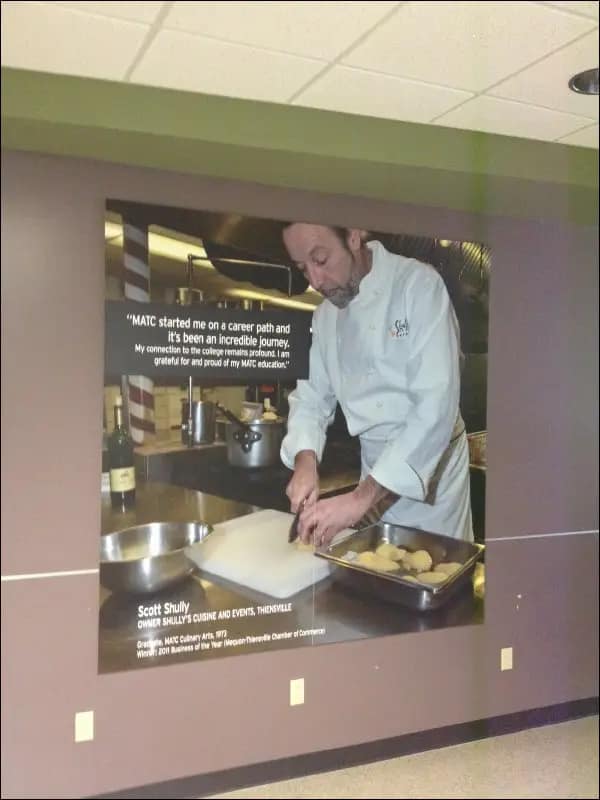
Wall graphics can boost the look of offices, stores, restaurants, reception areas, lobbies, and more. A wall graphic can reinforce brand colours, show images, express company values, highlight services, or create a visual focal point. Unlike a storefront sign, an interior wall often has more time and viewing distance flexibility. That allows for larger imagery, more detailed visual storytelling, or environmental branding that would not work on a moving vehicle.
Vehicle Graphics for Mobile Brand Recognition
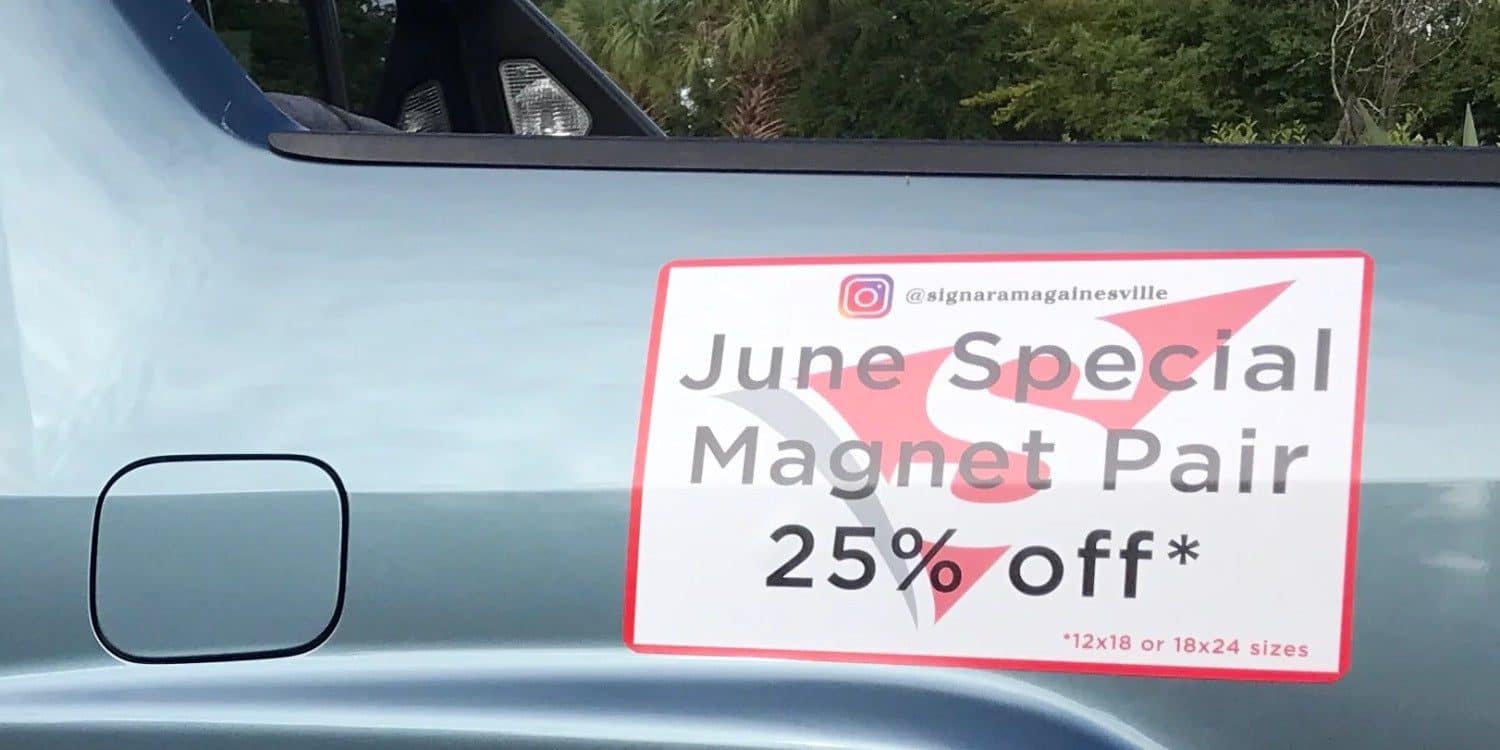
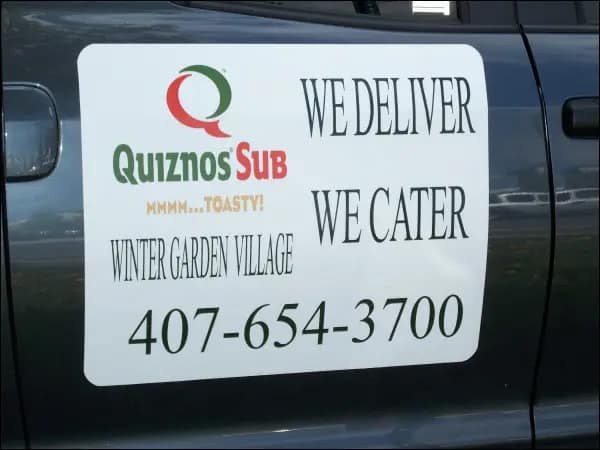
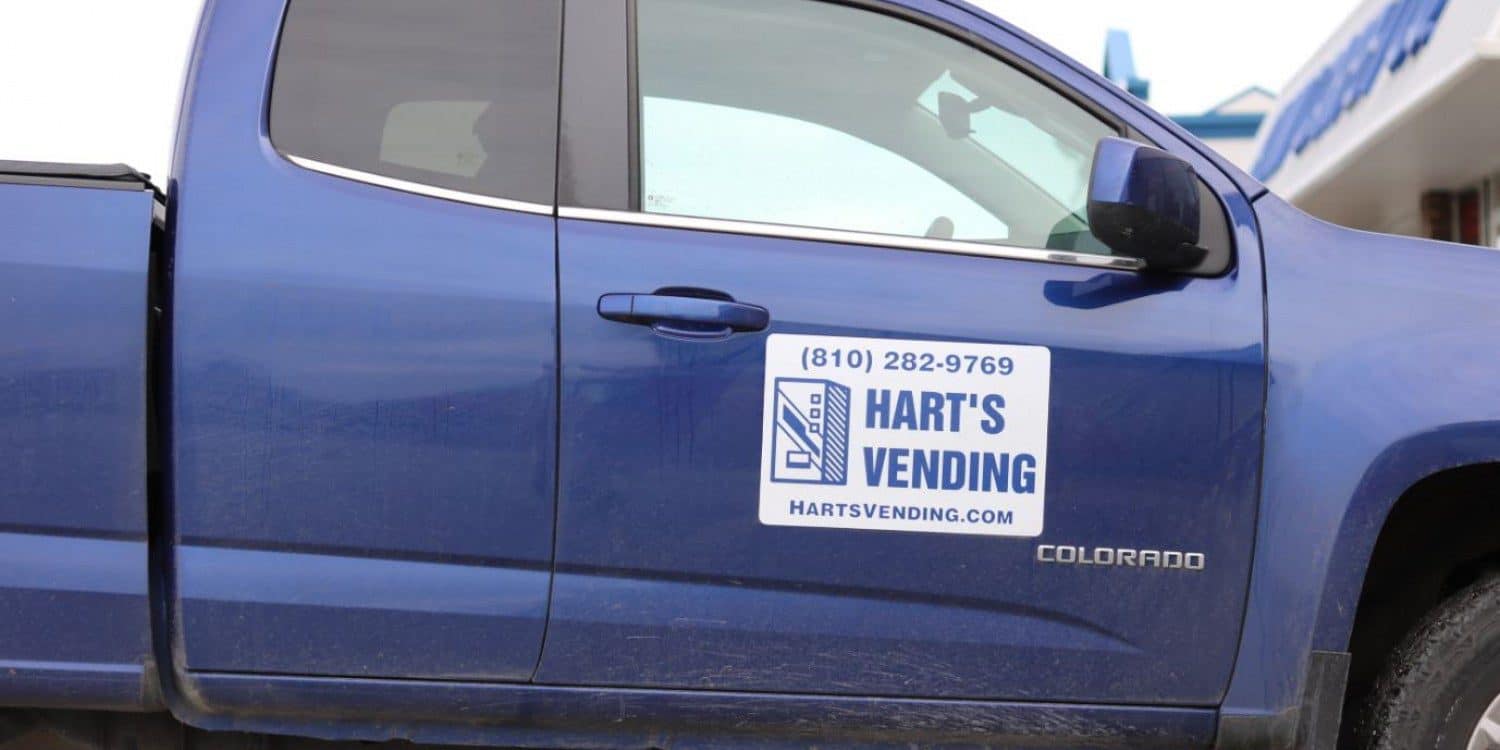
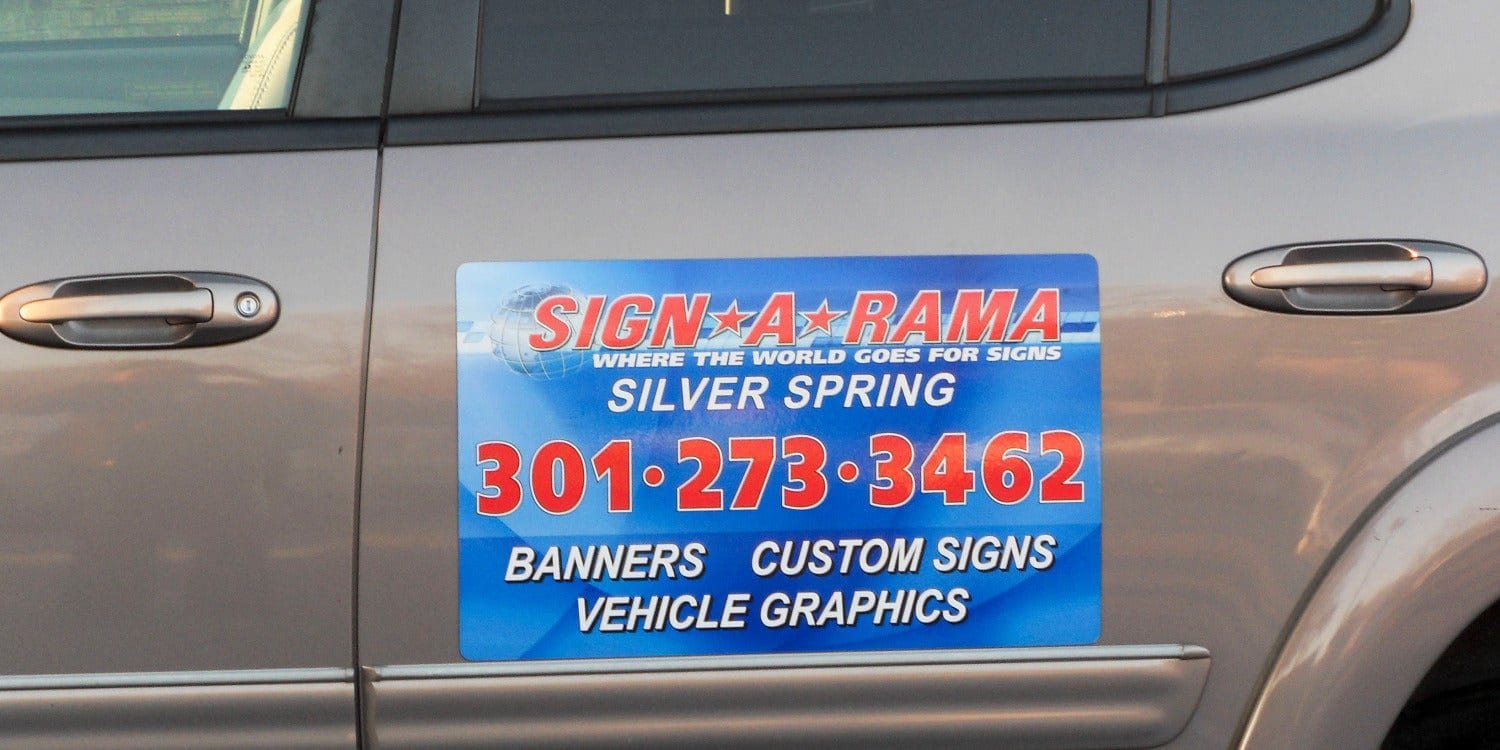
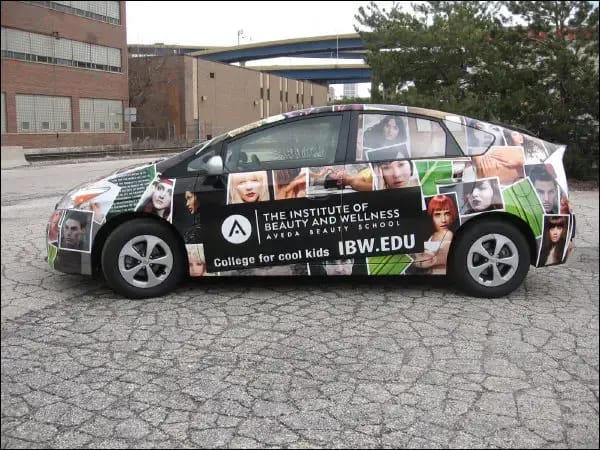
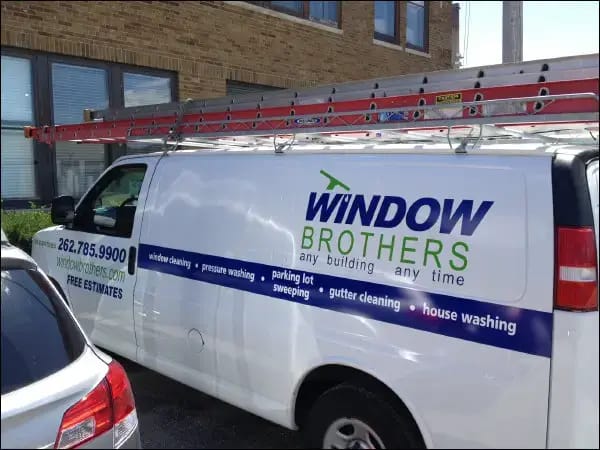
Vehicle graphics extend a business identity beyond a fixed property. Decals, lettering, partial wraps, and full wraps can identify a company while its vehicles travel between jobs, locations, and customer appointments. Signarama Milwaukee offers vehicle graphics and wraps. They have options from basic spot graphics to partial and full wraps.
Vehicle graphics require a different design approach from stationary signage. Drivers and pedestrians might only see the vehicle for a few seconds. So, the business name, logo, main colours, and key contact info should be simple and clear.
For fleets, consistency becomes especially important. A shared visual system makes various vehicle models appear as if they belong to the same company. This is true even when the graphics need to change for different body shapes.
Banners and Displays for Temporary Branding
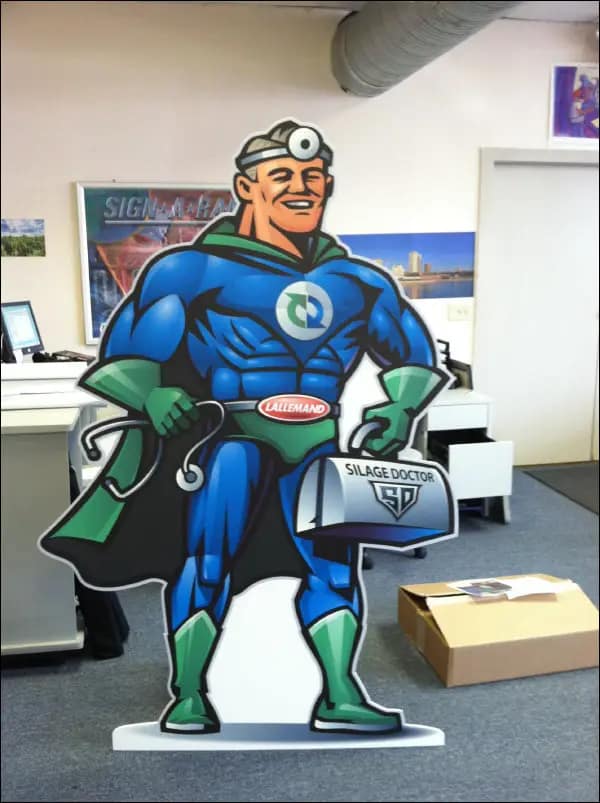
Banners, trade show displays, backdrops, posters, and similar graphics support short-term campaigns, events, openings, and seasonal promotions. These graphics may change often, so they need to balance flexibility with brand consistency.
A temporary campaign can alter the headline, images, or offer. However, it won’t change the core visual identity of the business.
Decals, Stickers, and Small-Format Graphics
Smaller graphics can boost a brand on doors, equipment, products, packaging, vehicles, and promotional materials. Their impact comes partly from repetition. A small logo decal might not tell a full brand story, but it helps people recognise the brand if they’ve seen it before.
Graphic Selection Matrix: Which Application Fits the Goal?
| Branding Goal | Recommended Graphic | Typical Placement | Main Priority |
| Brand recognition | Storefront/exterior graphics | Building exterior | Visibility |
| Interior brand experience | Wall graphics | Lobby or office | Environment |
| Mobile brand recognition | Vehicle graphics | Cars, trucks, vans | Fast comprehension |
| Short-term promotion | Banners/displays | Events or storefronts | Message clarity |
| Glass branding | Window/door graphics | Windows and entrances | Visibility and design |
| Small-scale reinforcement | Decals/stickers | Equipment, products, doors | Flexibility |
| Temporary campaign | Banners/displays | Events and promotions | Easy replacement |
The matrix shows a key decision rule: first, pick the graphic based on your communication goal; then, select the product and material.
How to Choose the Right Graphic for a Branding Goal
Before selecting a graphic, evaluate six practical factors:
Location: Where will the graphic be installed?
Audience: Who will see it, and how much time will they have to process it?
Purpose: Is the graphic intended for identification, navigation, environmental branding, promotion, or reinforcement?
Viewing distance: Will people see it up close, across a room, from the road, or while moving?
Permanence: Is the graphic temporary, seasonal, semi-permanent, or intended for long-term use?
Surface and environment: Is it going on glass, drywall, metal, masonry, a vehicle, or another surface? Will it be exposed to weather, sunlight, moisture, cleaning, road conditions, or physical contact?
These factors help avoid a common mistake: picking a graphic just because it looks good in a design file. It’s important to think about how it will work in its real setting.
An 8-Step Graphic Selection Checklist
- Identify the branding goal. Decide whether the priority is recognition, promotion, navigation, or an interior brand experience.
- Identify the audience. Determine who will actually see the graphic.
- Determine viewing distance. Consider close viewing, roadside viewing, or moving traffic.
- Decide on permanence. Establish whether the graphic is temporary, seasonal, or long-term.
- Evaluate the surface. Consider glass, walls, vehicles, exterior structures, or other substrates.
- Select the material. Match the material to the surface, environment, and expected lifespan.
- Simplify the message. Include only information the audience needs for that application.
- Check brand consistency. Verify logo use, colors, typography, imagery, spacing, and messaging.
What Affects the Cost of Custom Branding Graphics?
Custom branding graphics don’t have a set price. A small interior decal needs different work than a large exterior or vehicle installation.
The main cost factors typically include:
Size and Coverage
Larger graphics require more material and may involve additional production or installation time. A partial vehicle graphic, for example, can require significantly different material and labor than a full wrap.
Quantity
Creating multiple graphics with the same design can affect the project’s costs differently than making one custom application. Fleet graphics, multiple windows, or several interior walls can be seen as one project. This way, they are evaluated together instead of as separate jobs.
Material
Vinyl, rigid panels, acrylic, fabric, and vehicle wrap films each have their own traits and prices. The cheapest material isn’t always the best. If you need more durability or a certain finish, consider other options.
Design Complexity
Simple logos and limited messaging need less design work. They are simpler than detailed drawings, unique layouts, complex vehicle designs, or multiple coordinated apps.
Surface Preparation
A surface may need cleaning, repair, removal of old graphics, or other preparation before installation. Existing damage or difficult installation conditions can affect the total project requirements.
Installation
Installation costs depend on several factors: size, height, accessibility, surface type, equipment needs, and complexity.
Durability and Replacement Cycle
A graphic meant for long-term outdoor use might need a different material or finish compared to a temporary indoor display.
The right comparison is therefore not simply:
“Which option costs less?”
A better question is:
“Which option provides the required appearance, durability, and lifespan for this application?”
Material Selection: Match the Graphic to the Environment
Material choice should follow the application rather than the other way around.
| Material | Common Applications | Typical Environment | Key Considerations |
| Cut or printed vinyl | Windows, walls, doors, vehicles | Indoor or outdoor | Flexible and versatile; outdoor printed applications may use protective laminates |
| Aluminum composite material (ACM) | Exterior signs, panels | Outdoor | Rigid, lightweight, and suitable for many exterior sign applications |
| Acrylic | Dimensional letters, interior signs | Indoor or covered outdoor | Clean, polished appearance; application and impact conditions should be considered |
| Printed fabric | Banners, displays, backdrops | Primarily indoor or short-term outdoor | Lightweight and portable; not intended for every long-term outdoor application |
| Vehicle wrap film | Partial and full vehicle graphics | Outdoor/mobile | Must be selected and installed for vehicle use; surface preparation and film grade matter |
Signarama Milwaukee uses special vinyl for vehicle graphics. They ensure the overlaps match for printed designs, which helps protect against UV damage. Its published process highlights vehicle measurement, surface prep, design approval, printing, and installation.
For outdoor projects in Southeastern Wisconsin, businesses should think about seasonal temperature changes, moisture, sunlight, road salt, and other environmental factors. These elements affect material and finish choices. The right specification depends on the substrate, exposure, lifespan, and installation conditions.
When Professional Graphic Design and Production Makes Sense
Creating a logo and brand guidelines is one task. Turning those guidelines into physical graphics is another.
Physical applications introduce variables that do not exist in a digital design file:
- actual dimensions
- viewing distance
- substrate
- installation location
- lighting
- surface condition
- weather exposure
- material behavior
- production tolerances
- installation requirements
- future maintenance or replacement
A graphic may therefore need to be redesigned rather than simply enlarged or copied from another application. A professional graphics partner can help coordinate various applications. This ensures that the same identity appears on different materials and surfaces.
Signarama Milwaukee offers a range of services. They provide custom graphics, logos, banners, vehicle graphics, and wraps. You can also find window decals and both indoor and outdoor signs. Plus, they have other signage solutions. Its published process includes consultation, design and production, project management, and installation.
In Practice: Building One Brand Across Multiple Touchpoints
Imagine a Milwaukee home-services company with a logo, two primary brand colors, and a defined typeface. The company can set up a shared visual system. Then, it can adapt this system for each application, rather than creating every graphic separately.
The storefront might prioritize the business name and logo. Window graphics could use a branded pattern with selected service information. Interior walls could use larger imagery and messaging to strengthen the environment. Service vehicles could use the same colors and logo but simplify the layout for fast recognition from the road. A temporary event banner can keep the brand’s identity but include a campaign-specific message.
The result is not the same design repeated five or six times. It is one brand adapted to several physical environments. That distinction is central to effective custom branding graphics.
Real-World Lessons From Consistent Physical Branding
Large national brands demonstrate the basic principle, but the useful lesson is not simply that they use the same logo everywhere. A delivery company needs graphics that stand out on moving vehicles and buildings. So, simplicity and bright identity elements are important.
A large retailer needs to keep a consistent look for signs outside and inside, as well as for packaging, displays, and wayfinding. The brand therefore depends on a broader visual system rather than one isolated sign. A tech retailer can use simple designs, materials, fonts, and logo placement. This approach creates a friendly atmosphere and keeps promotional content from getting cluttered.
The lesson for a Milwaukee business is not to copy the appearance of a national brand. It is to identify the few visual elements that should remain stable and then adapt those elements to the environment.
Common Mistakes That Weaken Branded Graphics
Changing the Brand From One Application to Another
Different colors, logos, fonts, or visual styles can make the same business appear inconsistent. Each graphic can look attractive individually while still failing as part of the larger brand system.
Putting Too Much Information on the Graphic
A graphic designed for quick viewing should not become a wall of text. The amount of information should reflect the audience, viewing distance, and purpose.
Designing for the Screen Instead of the Environment
A design that works on a monitor may not work on a vehicle, exterior wall, storefront, or glass door. Physical dimensions and viewing conditions need to influence the design before production begins.
Choosing Material Based Only on Price
The least expensive material may not provide the required appearance, durability, or lifespan. Material should be selected according to the environment and project objective.
Ignoring the Surface
Glass, painted walls, masonry, metal, and vehicle surfaces behave differently. Surface condition and preparation can affect adhesion, appearance, installation, and long-term performance.
Treating Branding as Decoration
A branded graphic should have a purpose. It can identify the business, boost recognition, share information, guide visitors, support a campaign, or enhance the customer experience.
Decorative elements can support those goals, but decoration alone should not determine the design.
Custom Branding Graphics in Milwaukee and Southeastern Wisconsin
For businesses in Milwaukee, physical branding links storefronts, windows, interior spaces, vehicles, and promotional displays into a single, recognizable system. Milwaukee Signs / Signarama Milwaukee currently offers custom graphics and signage solutions including banners, custom logos, vehicle graphics, vehicle wraps, window decals, indoor signs, outdoor signs, and related products. The company’s Milwaukee location is listed at 5061 W. State Street and describes a process covering consultation, design and production, project management, and installation.
The company’s Milwaukee materials also state that its sign production facility opened in 2003, which supports describing the location as having more than two decades of history as of 2026. For a project involving several physical touchpoints, coordinating design and production can help maintain consistency instead of treating every sign, graphic, or vehicle as an isolated purchase.
Build a More Consistent Physical Brand
A strong physical brand is not created by putting the same logo on every surface. It comes from deciding which identity elements need to remain consistent, identifying the physical touchpoints that matter most, and adapting the design to each environment.
Start with a physical brand audit. Review the logo, colours, typography, imagery, messaging, condition, and how physical and digital branding connect. Then choose each graphic according to its purpose, audience, viewing distance, surface, material, durability requirements, and budget.
For businesses in Milwaukee and Southeastern Wisconsin, custom graphics like storefronts, windows, walls, vehicles, and banners can all work together as a single visual system. Signarama Milwaukee offers custom graphics, signage, vehicle graphics, and banners. They also provide design, production, and installation services for local businesses.
Frequently Asked Questions
Do I need existing brand guidelines before starting a custom graphics project?
No. Existing brand guidelines can make the process more straightforward, but they are not required. A designer can set clear rules for using logos, colours, typography, images, and layouts in physical applications.
What is the difference between branding graphics and signage?
Signage primarily identifies, informs, directs, or guides people. Branding graphics do more than just look good. They show a business’s visual identity in its physical spaces and on its materials. A single application can serve both purposes.
What graphics are best for business branding?
There is no single best option. Storefront graphics help identify a business. Wall graphics enhance the interior look. Vehicle graphics increase visibility outside the property. Banners promote temporary campaigns. The right choice depends on the goal, audience, surface, viewing distance, permanence, and budget.
How can a business keep its graphics visually consistent?
Define the key elements that must stay consistent: logo treatment, colours, typography, imagery, spacing, and overall visual style. Then adapt layout and scale for each application instead of copying the exact same design everywhere.
Can custom branding graphics be used indoors and outdoors?
Yes. Different materials and production methods can support indoor and outdoor applications. The right choice depends on the surface, how it’s exposed, viewing conditions, the look you want, and how long you expect it to last.
Are vehicle graphics part of visual branding?
Yes. Vehicle graphics can extend a company’s visual identity beyond its physical location. Using consistent logos, colours, typography, and layouts can make vehicles and fleets look like they belong to the same business.
What affects the cost of custom branding graphics?
Common cost factors are size, coverage, quantity, material, design complexity, surface prep, installation needs, and expected lifespan. A large exterior installation or full vehicle wrap has different production needs than a small interior decal.
How long do custom branding graphics last?
Lifespan depends on the material, application, environmental exposure, surface condition, installation quality, maintenance, and intended use. Outdoor and vehicle graphics endure more environmental exposure than indoor graphics. So, the specification should reflect the actual installation conditions, not just one lifespan number.
Should every branded graphic use the same design?
No. The brand identity should remain recognizable, but the layout should adapt to the application. A storefront, vehicle, wall, window, and banner each offer unique viewing conditions and communication goals.
When should a business consider professional graphic production?
Professional production is especially helpful for graphics that have large sizes, tough surfaces, vehicles, outdoor setups, different materials, tricky installation situations, or many touchpoints that must look the same.