




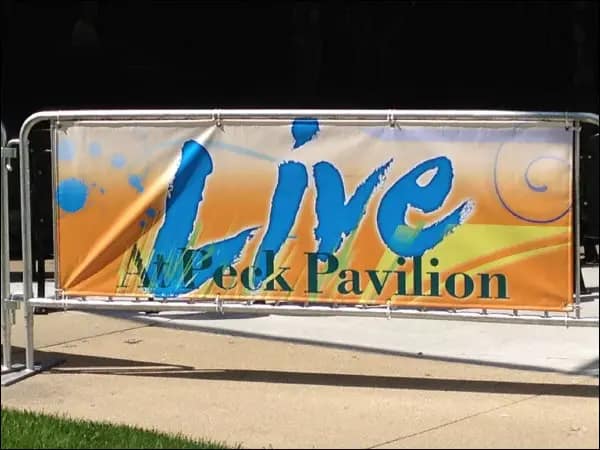
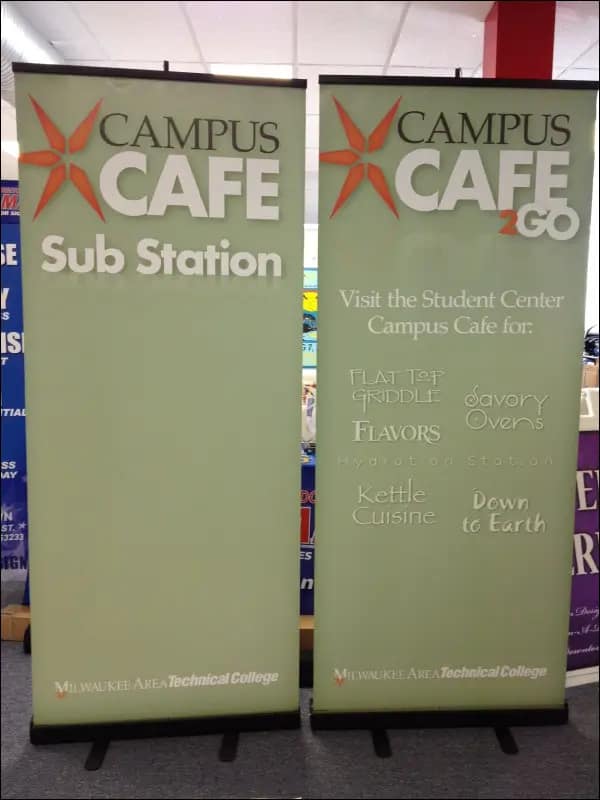
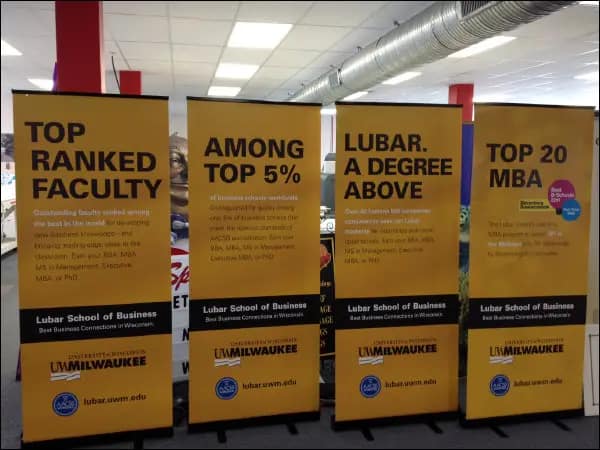
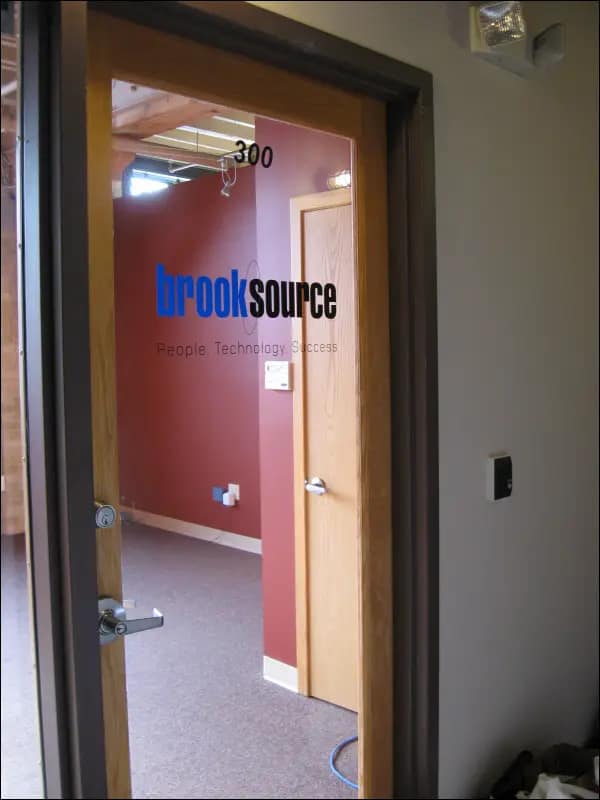
















































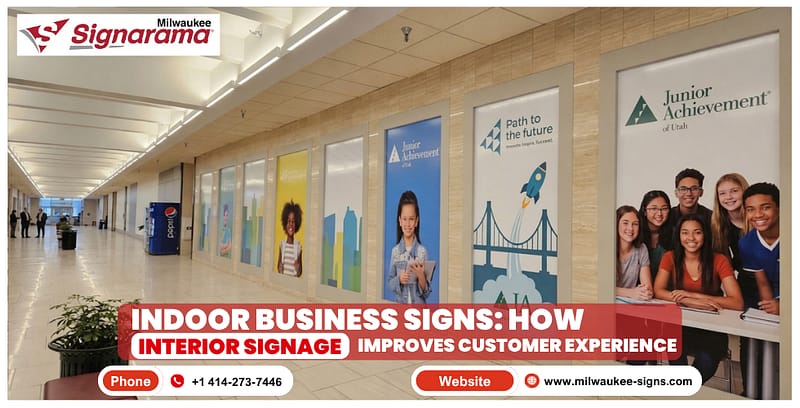
Most customers see indoor business signage without actually realizing they’re seeing it. When you enter a well-marked business, everything feels natural. You are aware of the location, what to look for & what further actions you want your business to take. When you walk into a poorly signed space, something feels wrong, even if you can’t articulate why.
You feel disoriented, possibly frustrated, and unequivocally uncertain. It influences your decision to make a purchase, return to the establishment, and share your experience with others. I’ve seen businesses that spend a fortune on the outside and then totally ignore the inside, resulting in the loss of customers at the point they were inside and willing to spend money. At Signarama Milwaukee, interior signage is something we take seriously because we’ve seen what the right signs do for a business and what the absence of them costs.
Why Interior Signage Matters More Than Most Businesses Think
The interior of a business is where the customer experience actually happens. Everything before that was just getting them through the door. When a consumer is inside, it is signage that takes charge of the communication between the business and the customer.
Good indoor business signage directs customers effortlessly through your establishment. Every touchpoint reiterates the brand identity. They convey product information, deals, policies & values without making staff reiterate the same words again and again. They create a professional and thought-through environment, rather than a thrown-together one.
The right interior signage can greatly improve customer satisfaction, average purchase or transaction size, and even employee efficiency since staff won’t have to be busy answering questions that well-designed signs would answer automatically.
Types of Indoor Business Signs and What Each One Does
Different types of signage serve different purposes within the business. When businesses understand all the options, it helps them decide on what their specific space really needs.
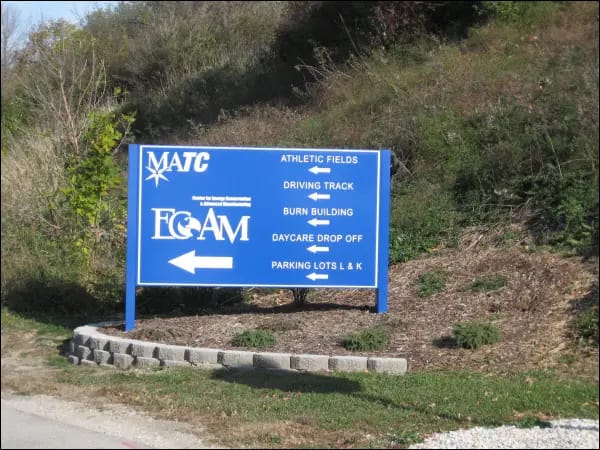
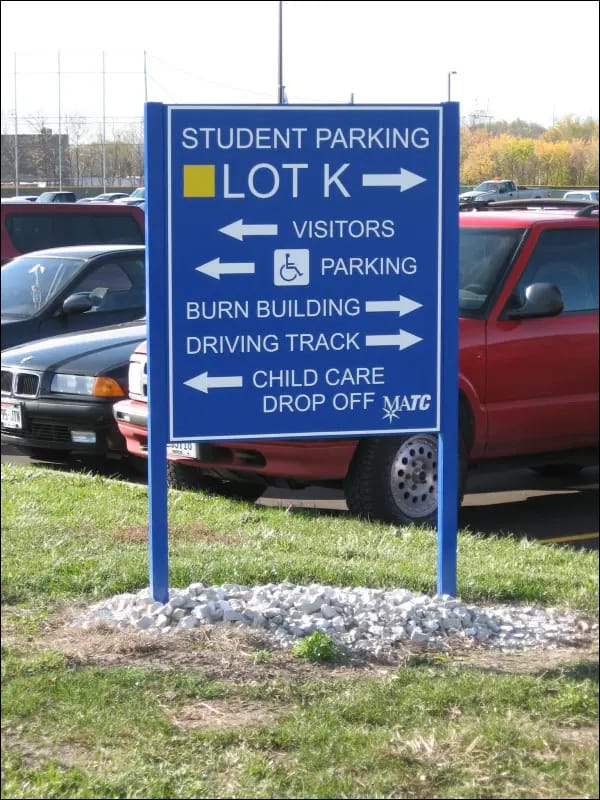
Wayfinding and Directional Signs
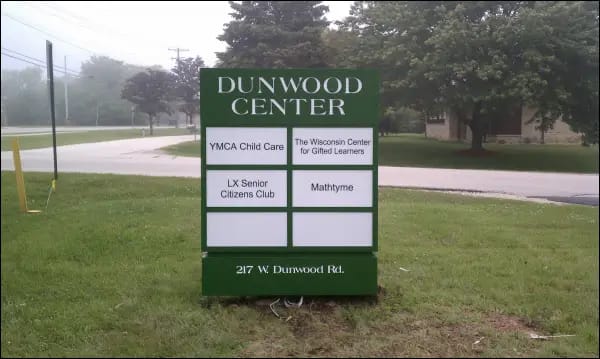
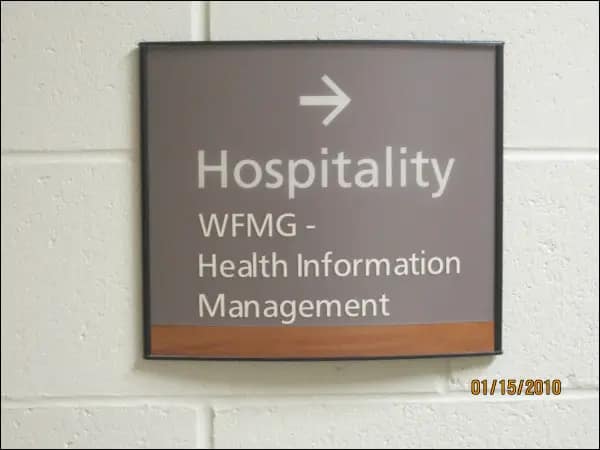
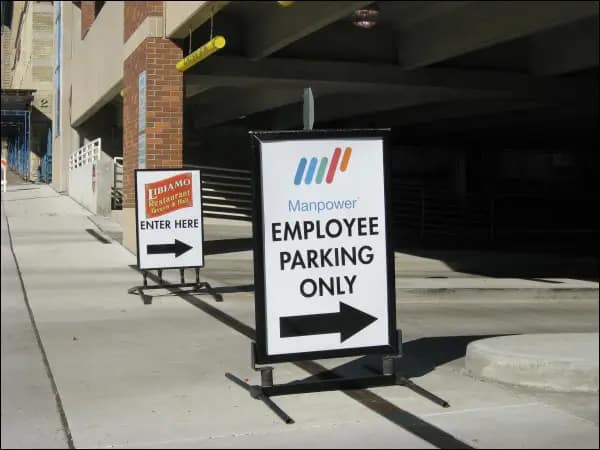
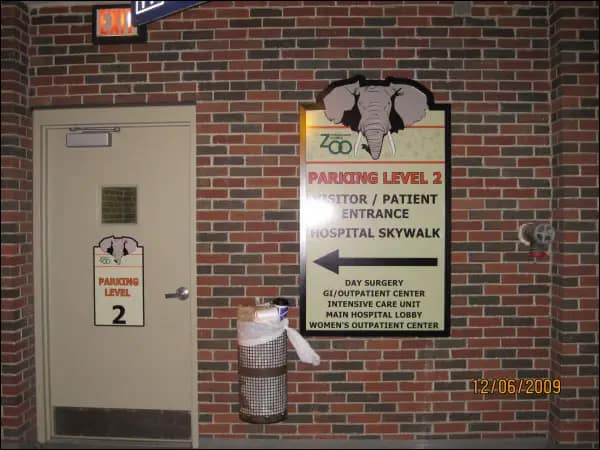
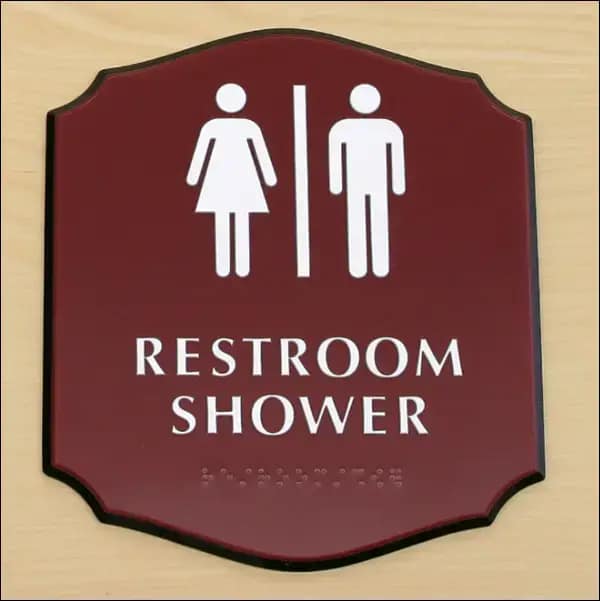
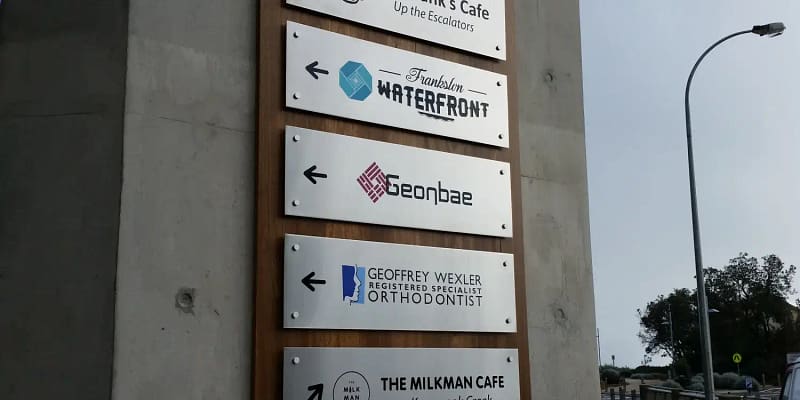
Wayfinding signs help customers navigate the space. Restroom signs, department indicators, floor directories, exit signs, and aisle markers all fall into this category. Their job is purely functional. Get people where they need to go without confusion or frustration.
Poorly designed wayfinding creates a friction that customers feel even when they can’t identify the source. Good wayfinding is invisible in the best possible way. People move through the space naturally because the signs anticipate where they need to go before they have to ask.
Brand and Identity Signs
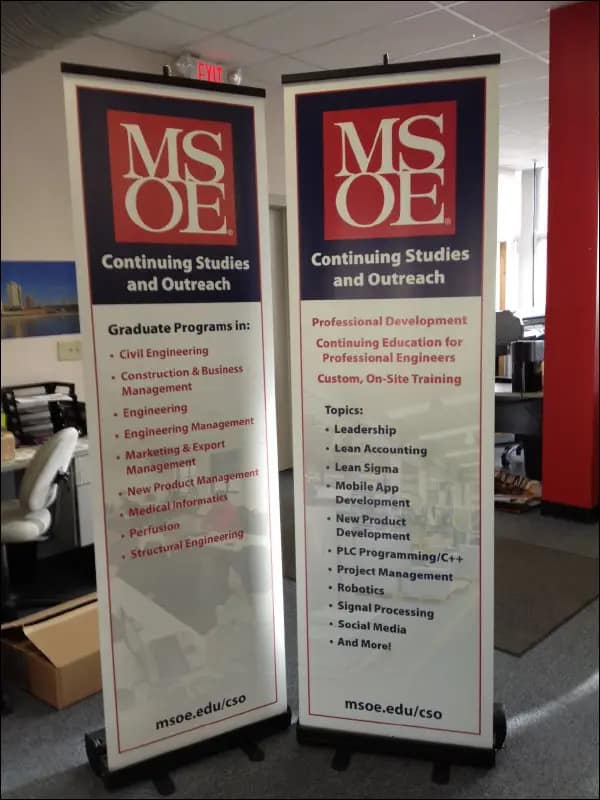
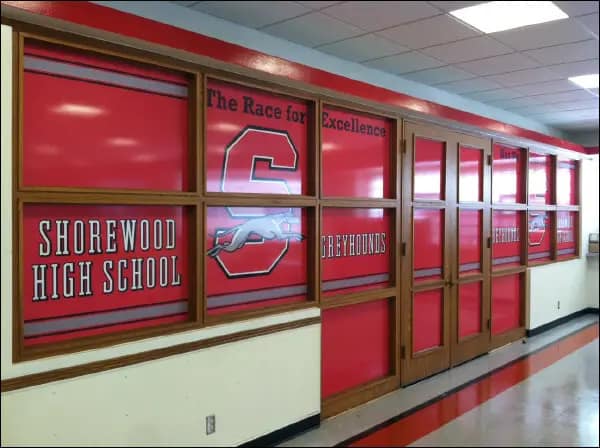
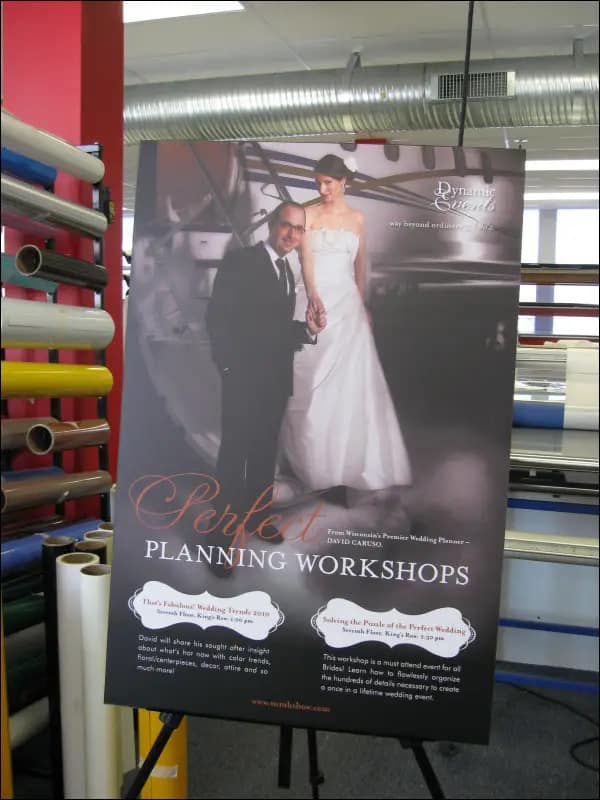
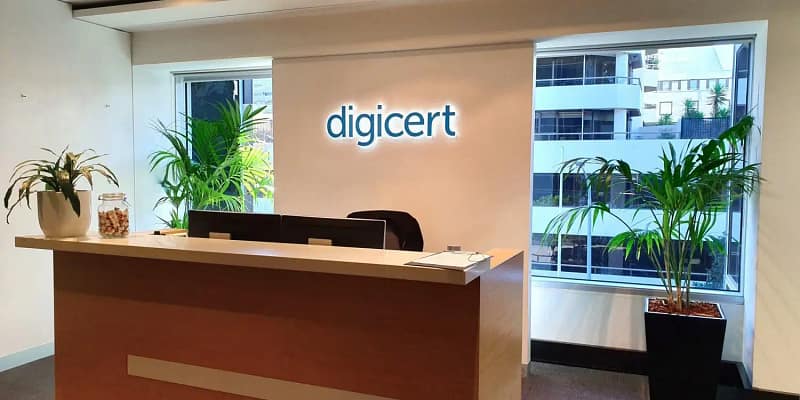
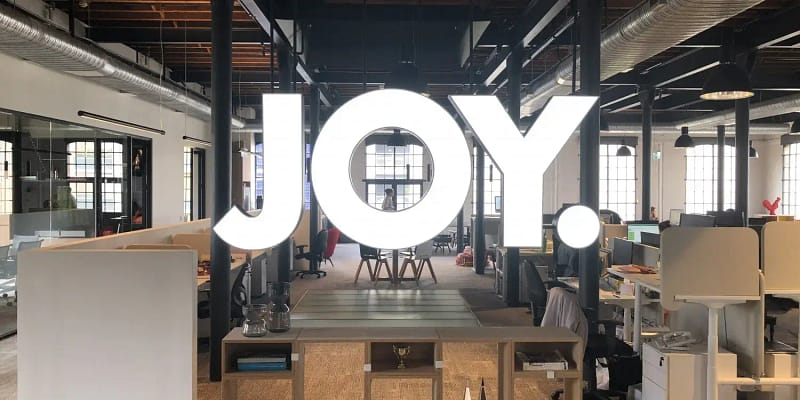
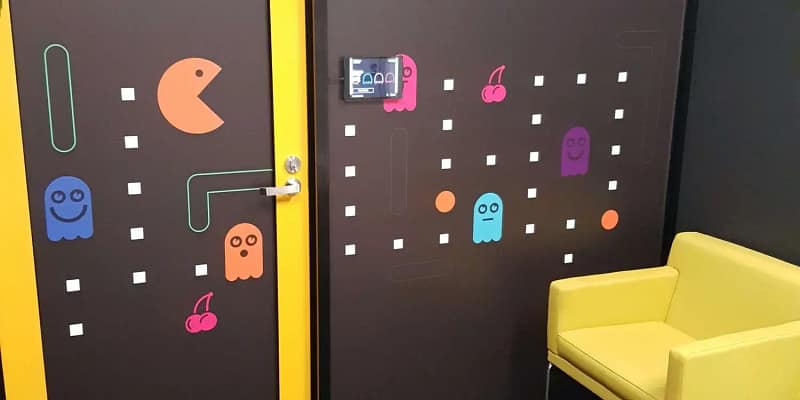
These reinforce the brand throughout the interior space. A reception area sign with the company logo and name sets the tone for the entire customer interaction. Feature walls with brand messaging, dimensional lettering in materials that reflect the brand’s personality, and consistent use of brand colors throughout the space all contribute to a coherent identity that customers register and remember.
At Signarama Milwaukee, we help businesses develop interior sign systems that carry the brand consistently from the front door to the back of the space rather than stopping at the entrance.
Informational and Compliance Signs
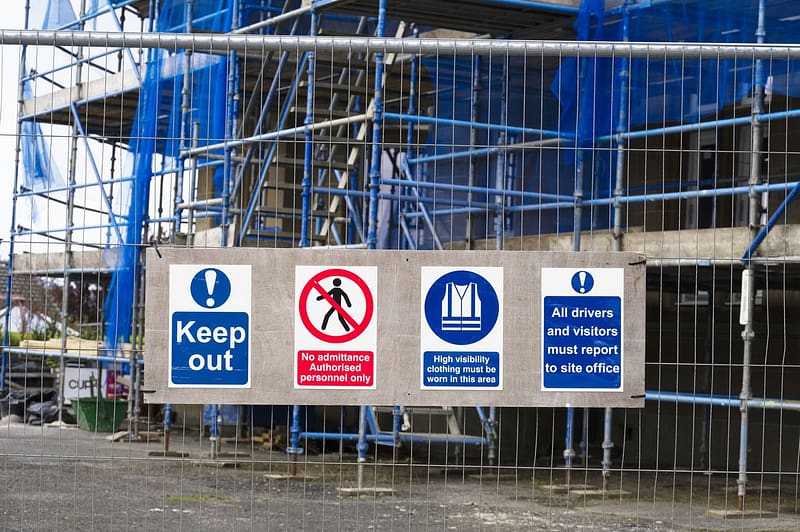
Every business has information it needs to communicate consistently. Hours, policies, health and safety requirements, pricing, terms of service. Fire exit notices, maximum capacity, and access info signs are legally required in a lot of commercial spaces.
These signs need to be clear and placed well. If a compliance sign is placed where people can’t see it, or so far away that nobody will bother reading it, it is not doing its job legally or practically.
Promotional and Point-of-Sale Signs
When customers are most likely to buy, point-of-sale signage has the most influence over them. Whether it is product displays, special offers, upsell opportunities or seasonal promotions, signage helps them all work harder – but if poorly designed can have the opposite effect.
The research often shows that a large percentage of purchases is made at the store rather than before a customer. In-store signage instead captures that impulse buying opportunity in a way that no amount of pre-visit marketing can deliver.
Menu Boards and Display Signs
Restaurants, cafes, and retail food businesses, and other food service providers use menu boards and display signs to display their offering. When designed well, the menu board will reduce customers’ perceived wait time, increase average order value and lessen the pressure on staff to verbally explain the menu to each customer.
How Indoor Business Signs Affect Customer Behavior
The connection between interior signage quality and customer behavior is supported by real research rather than just intuition.
| Signage Factor | Customer Impact |
| Clear wayfinding | Reduced frustration, longer dwell time |
| Strong brand identity signs | Higher trust and perceived quality |
| Effective point-of-sale signs | Increased impulse purchases |
| Poor or missing signs | Confusion, shorter visits, lower spend |
| Professional appearance | Higher perceived business credibility |
According to the Sign Research Foundation, businesses that improve their interior signage quality report measurable increases in customer satisfaction scores and sales. The investment in good indoor business signs pays back through customer behavior changes that affect the bottom line directly.
Materials and Design Considerations for Interior Signs
The materials and design choices for indoor business signs need to reflect the environment they’ll be placed in and the brand identity they need to support.
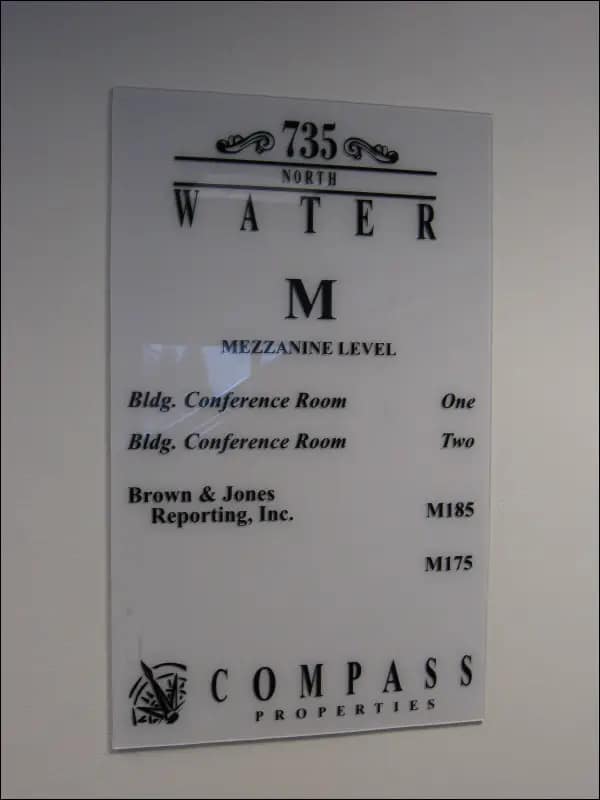
Acrylic signs work well for professional and corporate environments. They have a clean, contemporary look that suits reception areas, office interiors, and retail spaces that want a premium feel.
Foam and dimensional lettering adds depth and visual interest to feature walls and brand statement areas. The three-dimensional quality photographs well and creates an impression of substance and quality that flat printed signs don’t achieve.
Fabric and tension displays offer flexibility for businesses that change their messaging seasonally or for promotional campaigns. The graphics can be updated without replacing the entire display structure.
Digital and LED displays allow content to change without physical sign replacement. Menus, promotions, and information can be updated remotely and instantly. The upfront cost is higher but for businesses with frequently changing content the operational advantage is significant.
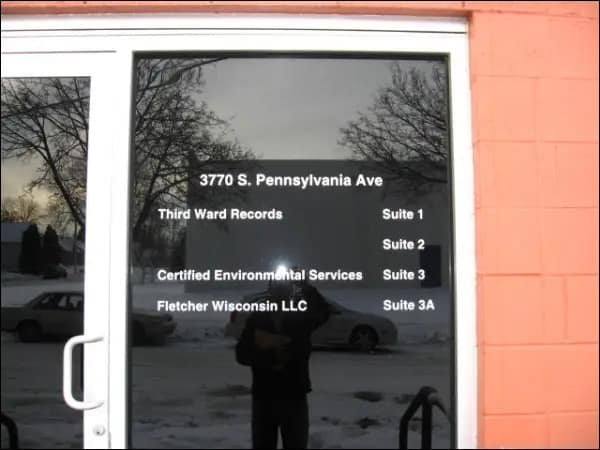
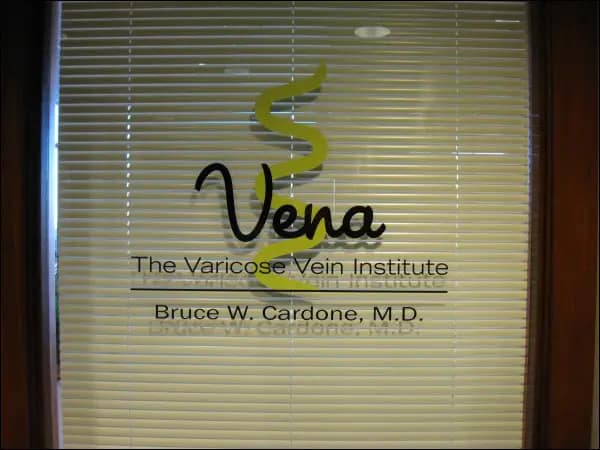
Vinyl graphics on walls and glass create visual impact at relatively low cost and can be removed or updated without damaging the underlying surface. Window graphics between spaces, wall murals, and floor graphics all use this approach effectively.
The design of indoor business signs needs to balance aesthetics with function. A sign that looks beautiful but can’t be read from the relevant viewing distance has failed at its primary purpose regardless of how good it looks up close.
Common Mistakes in Interior Signage
Businesses make predictable mistakes with their interior signage that undermine the investment.
Too much text on individual signs is the most common one. A sign that tries to communicate everything communicates nothing effectively. People reading signs in a business environment don’t stop and read paragraphs. They scan and move on. Signs need to deliver the essential message in the few seconds a customer will give them.
Inconsistent design across different signs creates a space that feels disjointed and unprofessional. Signs that were added at different times in different styles accumulate into a visual chaos that weakens the brand impression significantly.
Ignoring lighting creates beautiful signs that nobody can read properly. Interior signage needs adequate lighting to be effective. Backlit, edge-lit, or spot-lit signs in areas where ambient light is insufficient make the difference between a sign that works and one that exists but doesn’t function.
Placing signs at the wrong height or angle for the actual viewing position is a surprisingly common error. A sign designed to be read at eye level that gets mounted too high or at an angle that creates glare fails regardless of how well it was designed.
Signarama does a proper assessment of the physical space before finalizing sign placement recommendations. Getting the placement right is as important as getting the design right.
FAQs
How much does an indoor business sign usually cost?
A: The price depends on multiple factors such as the type and material of the sign, size, and quantity. One of the most inexpensive options is a simple vinyl graphic. For a more extensive investment, dimensional lettering, digital displays, and complete wayfinding systems are some of the options we offer. An accurate quote based on your specific needs gives precise figures.
How long do signs (indoor signs) last?
In general, interior signs last longer than exterior signs since the latter are exposed to the weather. With minimal upkeep, quality materials for an interior environment typically provide 10 years of service life or more.
Do I need professional design help for interior signage?
Working with experienced people creates better outcomes because sign design for physical environments requires different considerations than screen-based design. Involved distance, the materials themselves, and the ambient lighting all affect what works and what doesn’t.
Are there rules about signs inside a business?
Commercial space signage that provides visibility, such as fire exits, emergency information, accessibility signage, etc are legally required. Building requirements are determined by jurisdiction and use type.
Q: How do I determine the necessary signage to help my business?
A walkthrough by an experienced sign professional identifies the functional gaps and opportunities in your unique space more reliably than paging through a product catalog and trying to self-diagnose.
Conclusion
As soon as someone walks through the door, things like indoor business signs, wall graphics, and other signs shape the customer experience. When they’re done right, they are able to guide, inform, sell and reinforce the brand. Businesses that invest in proper interior signage create spaces where people feel at ease, are able to find what they want, confidently make purchasing decisions, and leave a positive impression of the brand.
Businesses who do not make use of interior signage, lose customers where they have the best chance to spend money. Visit Signarama to learn more about how the right indoor business signs could impact your space and the customer experience. The team designs and installs interior sign systems for businesses on a daily basis.