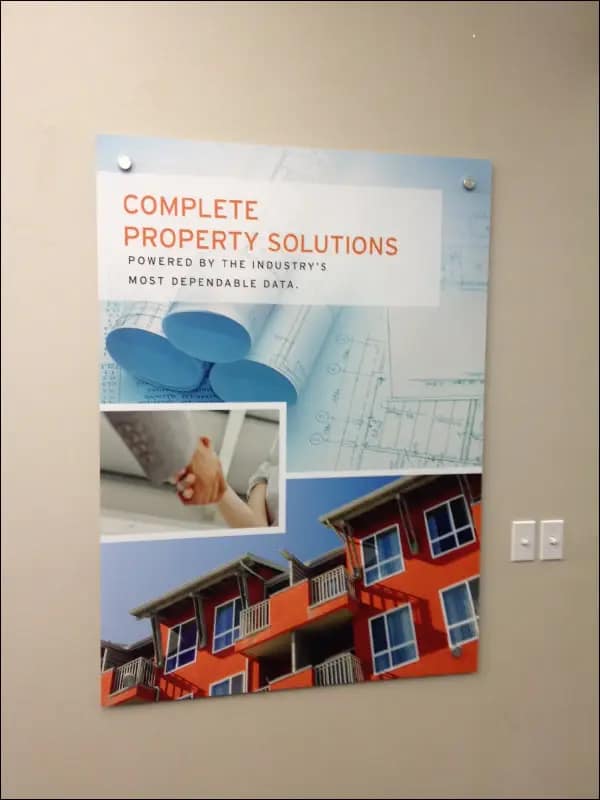
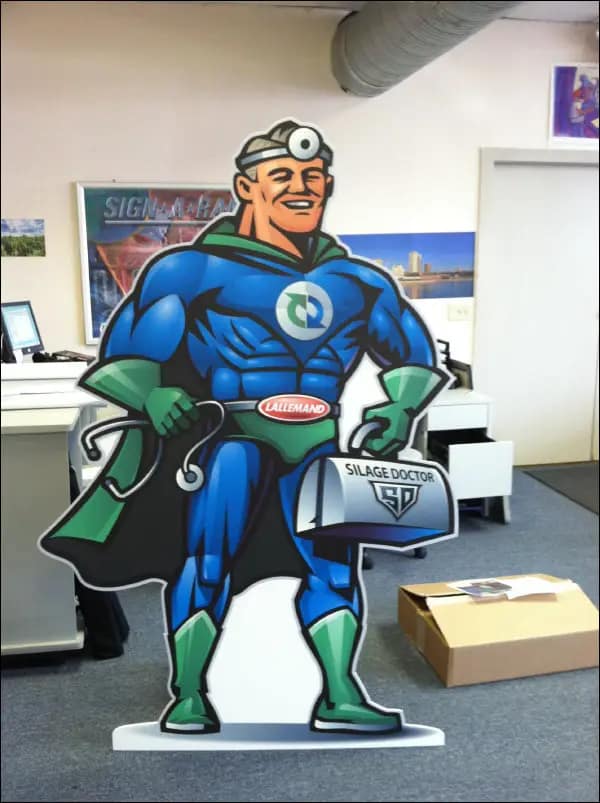
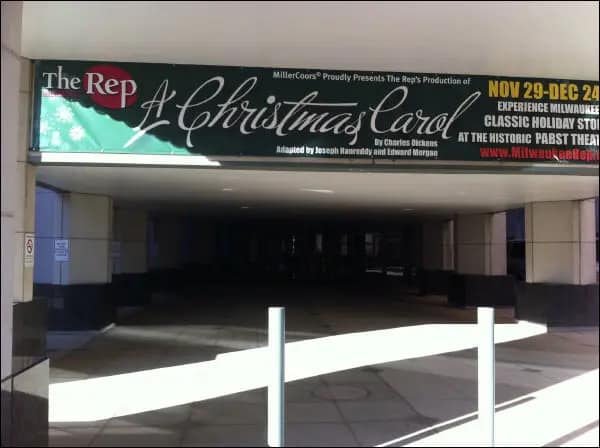
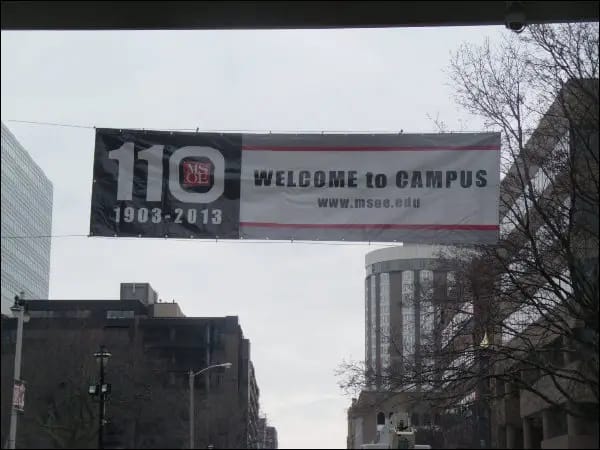
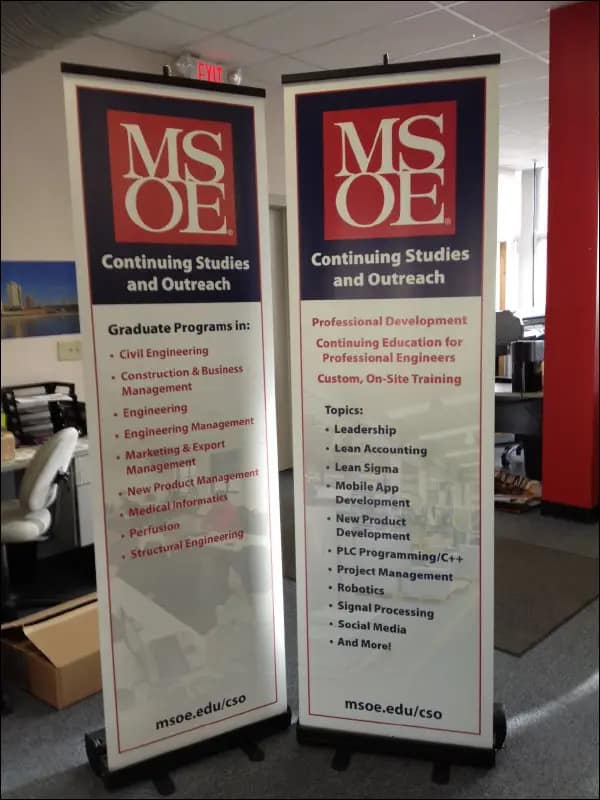
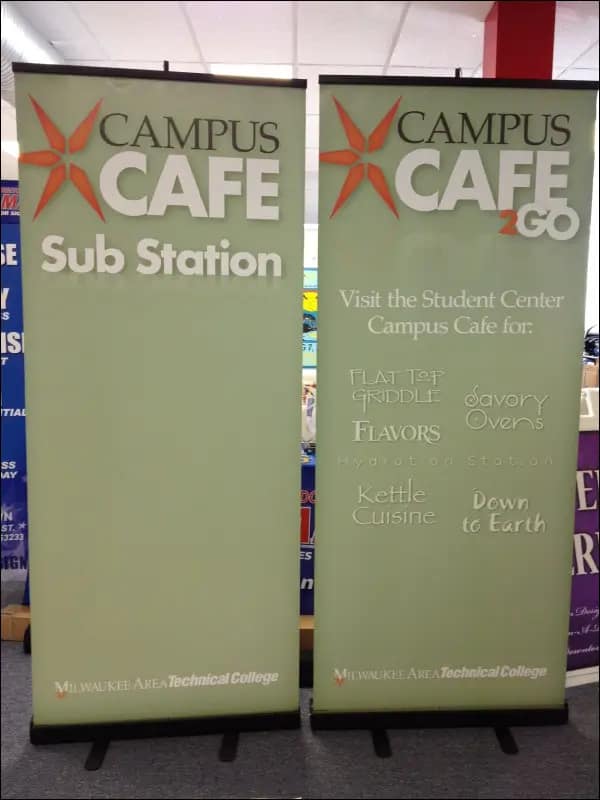
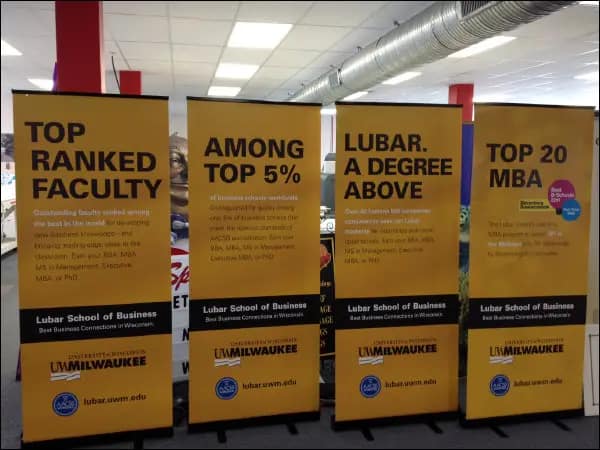


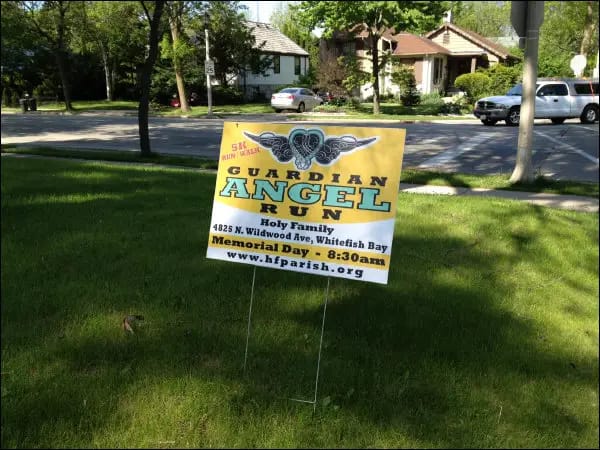




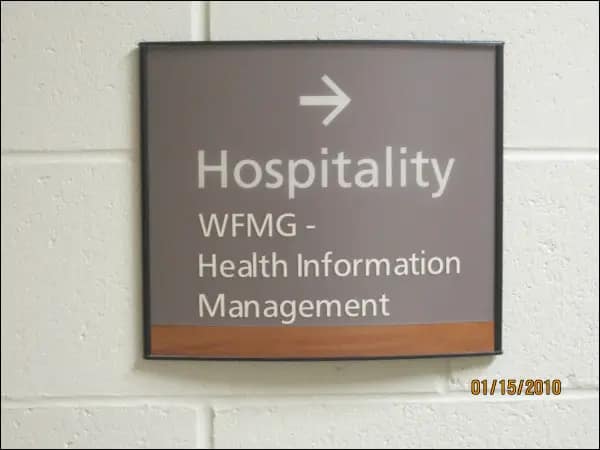
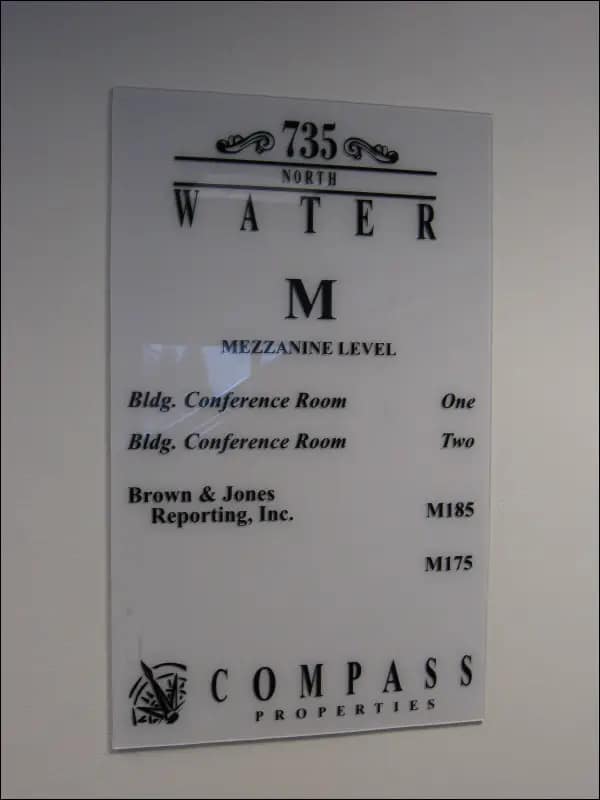
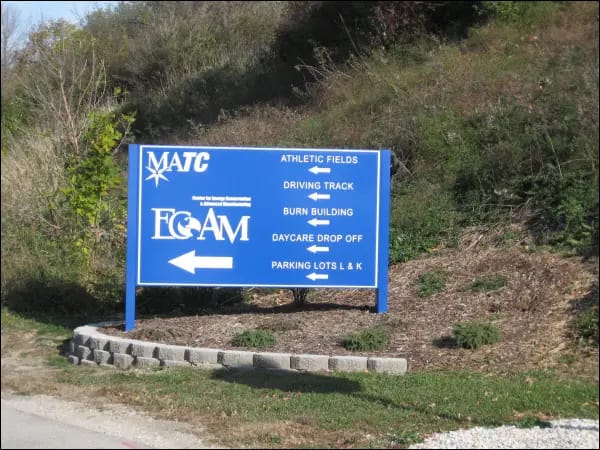
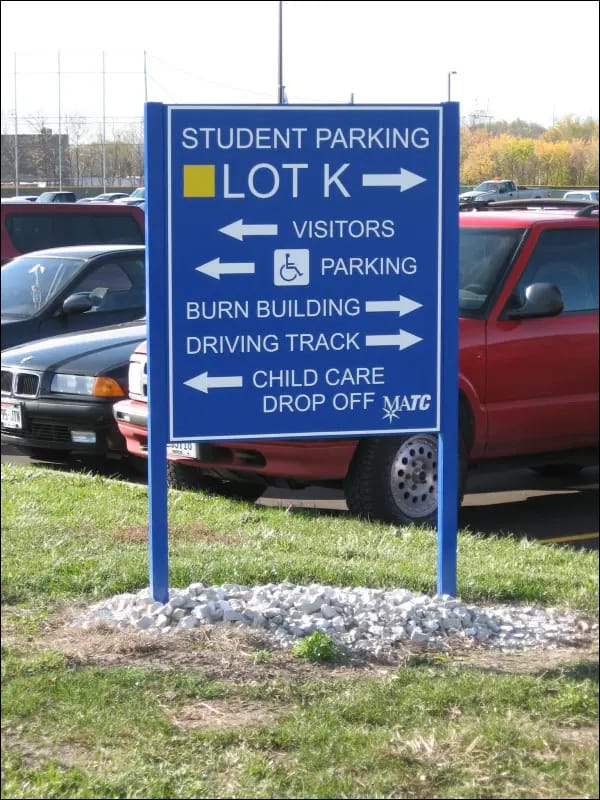
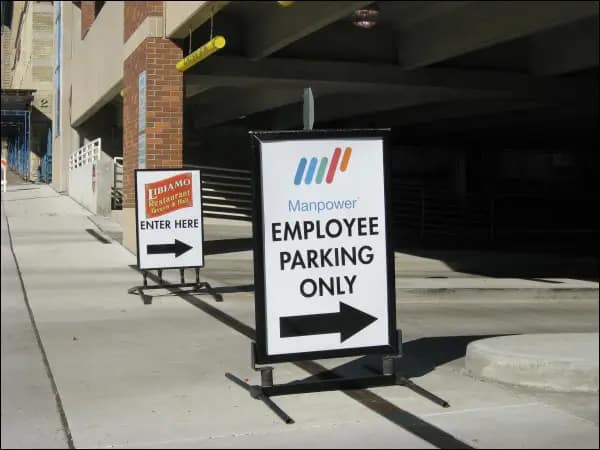
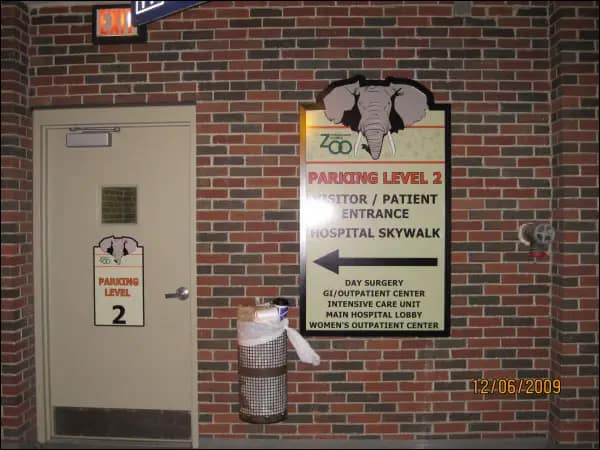


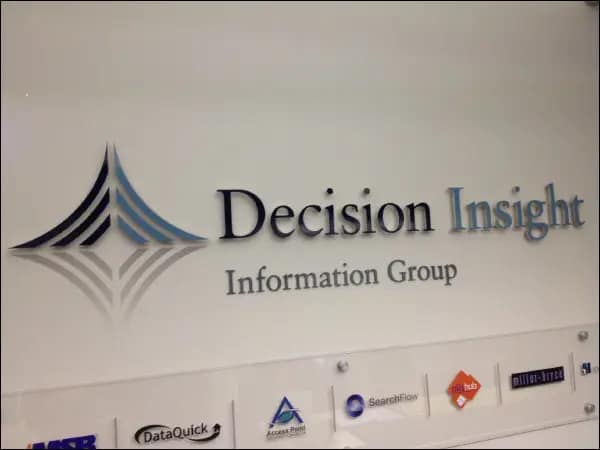
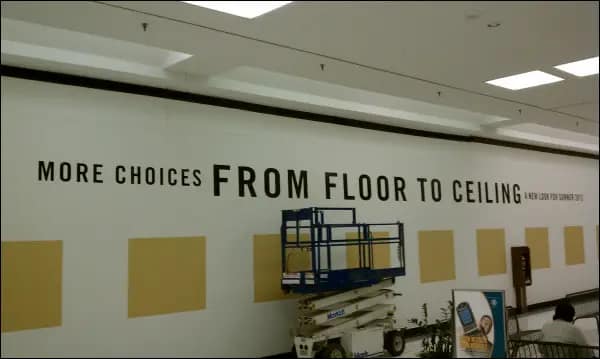

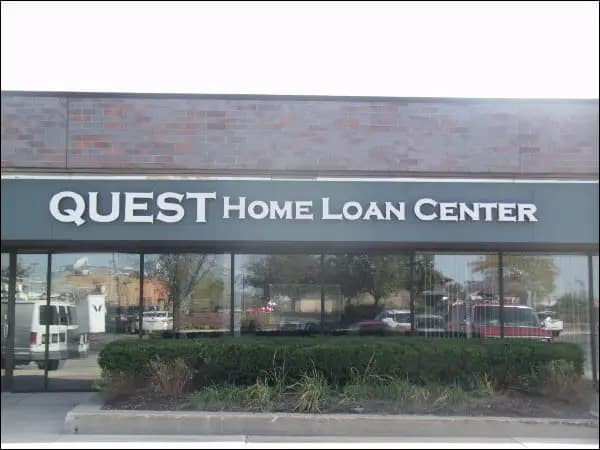
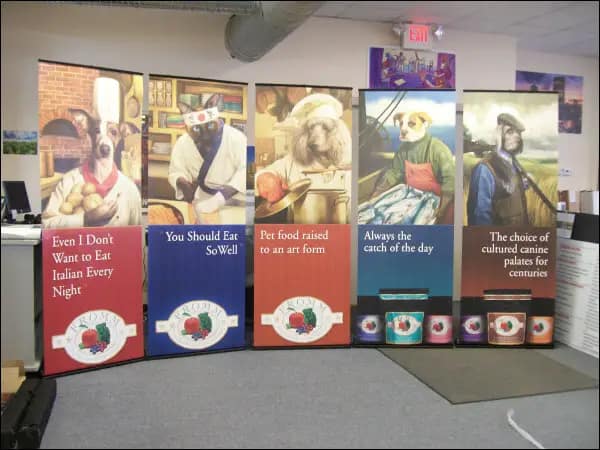
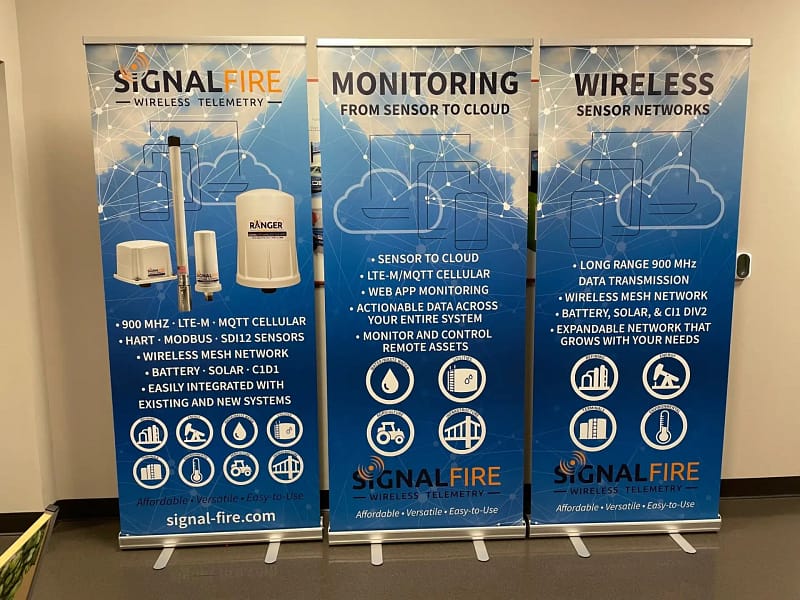
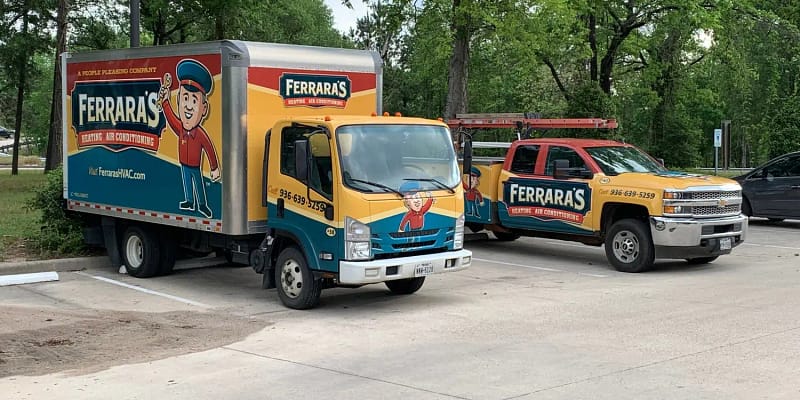
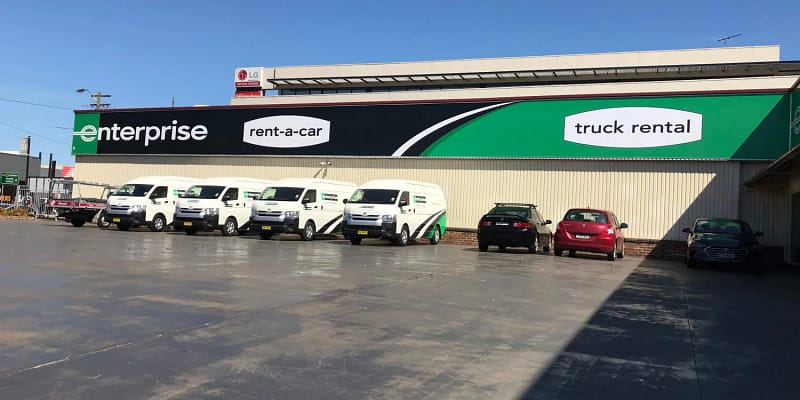


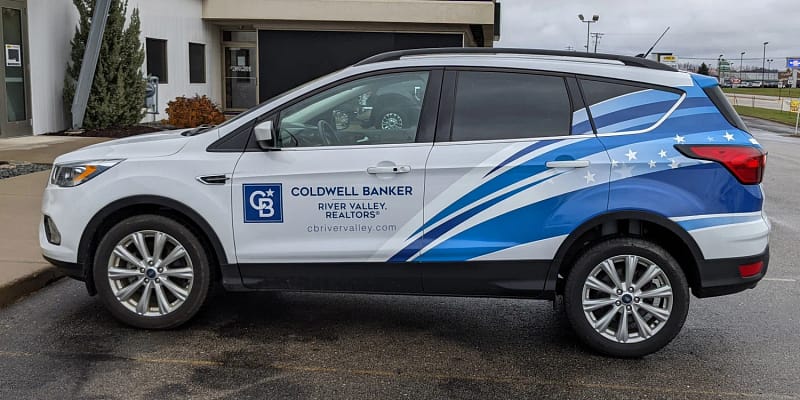





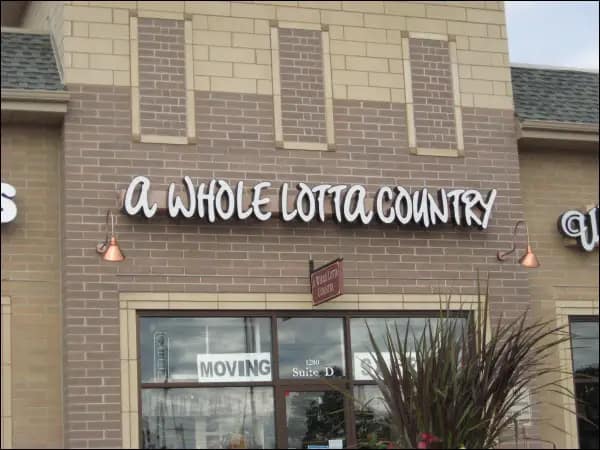
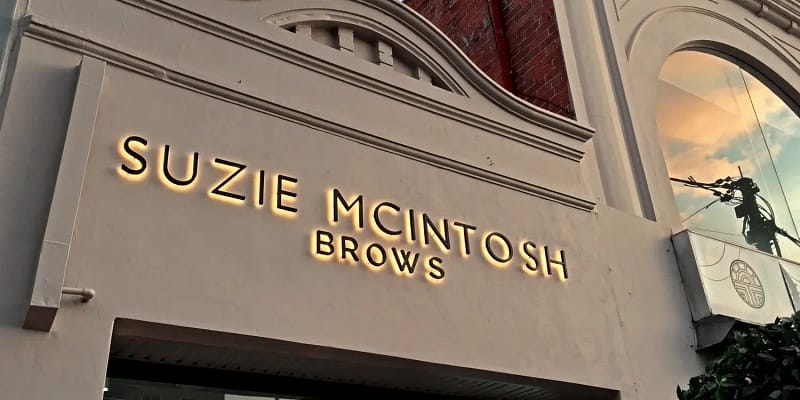
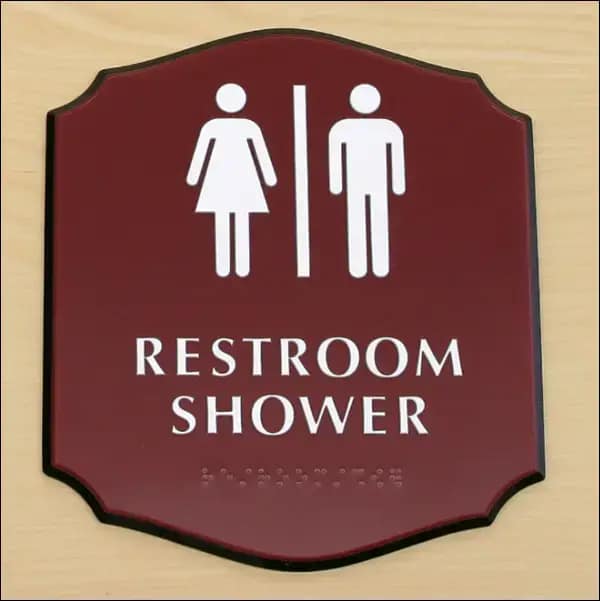

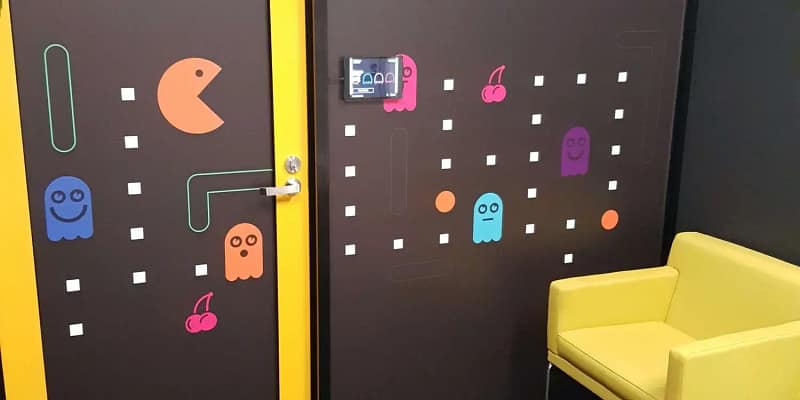
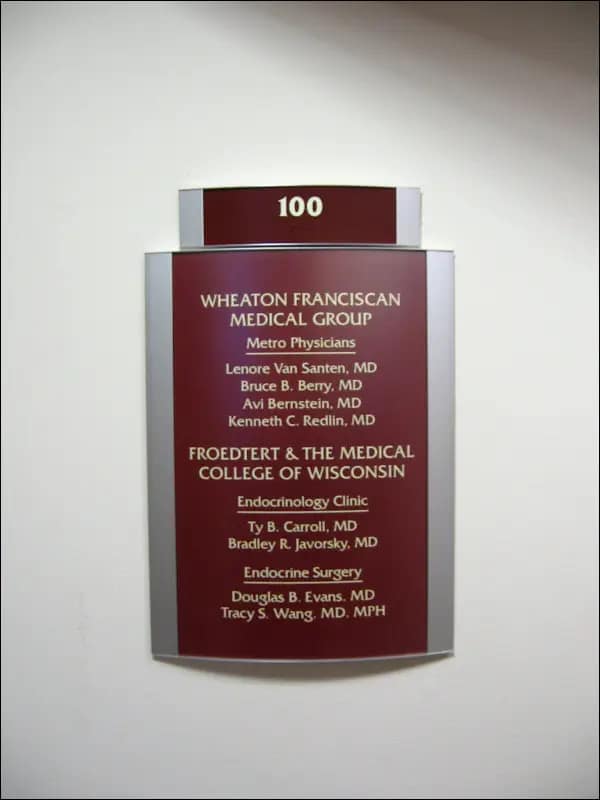
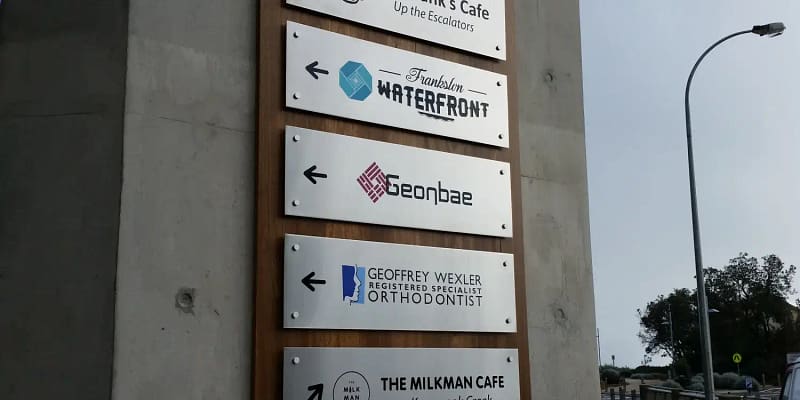
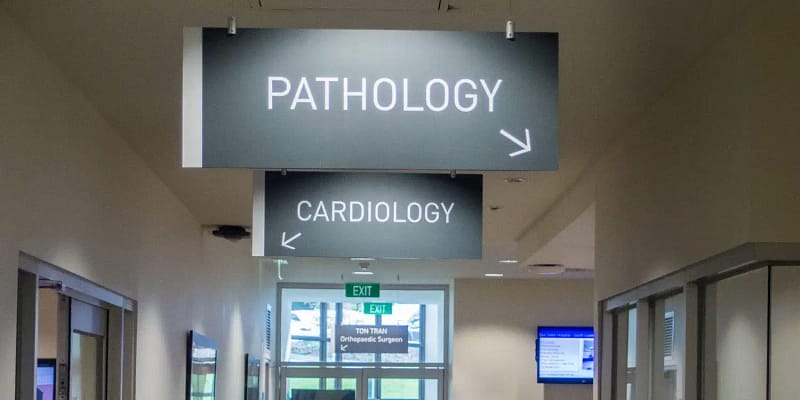

Storefront signs are something I genuinely think about differently now than I did before working in this industry. I used to walk past businesses without really registering what their signage was doing or not doing. Now I can’t stop noticing it. A great sign pulls you in before you’ve made any conscious decision to be interested. A bad one makes you question the business before you’ve even thought about walking through the door. That gut reaction happens fast and most business owners have no idea it’s happening to their customers every single day. At Signarama, we’ve seen this play out with real businesses and real customer behavior more times than I can count.
Your Sign Is Talking Whether You Want It To or Not
Take a moment to contemplate this. Your storefront sends a message each time someone walks or drives past your location whether you designed that message intentionally or not.
A clean, well-lit sign, well-designed indicates professionalism and worthiness of trying. A sign that’s faded, hard to read or out of date tells the opposite. Most business owners who have a poor sign don’t know that it is costing them customers, which is the frustrating part. People just walk past your store and no one tells you why.
Your sign isn’t just identification. It’s a first impression, a trust signal, and a brand statement all happening at the same time in about three seconds.
What Actually Happens When the Sign Is Poor
I need to be particular about this as it matters. A motorist driving at 35 miles per hour can view your sign just for two seconds before passing it. If your sign’s font is hard to read, and the text colors are low-contrasting, or the size of the sign is too small for the building, they are already past the building before they know what your business even is. They aren’t going to spin around.
As a passerby walks by, he sees a cracked sign with broken lighting and thinks one thing without realising it. People are thinking that business is slow. That emotion inhibits them from walking in even though they may not know why.
These are not exceptions. This is happening outside all types of businesses in every city daily.
Types of Storefront Signs Worth Knowing
Different sign types do different jobs. Getting the right type for your location matters as much as the design itself.
Channel Letter Signs
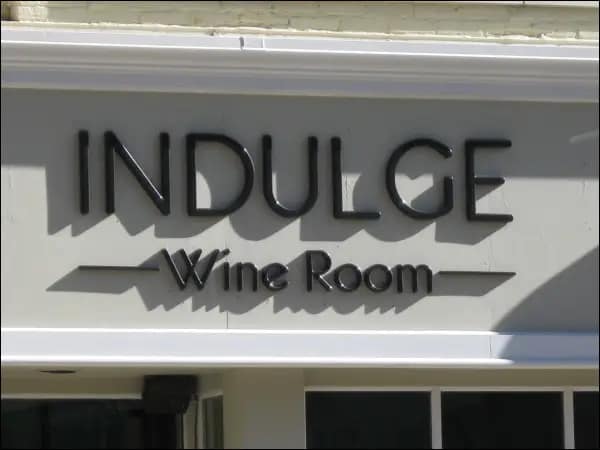
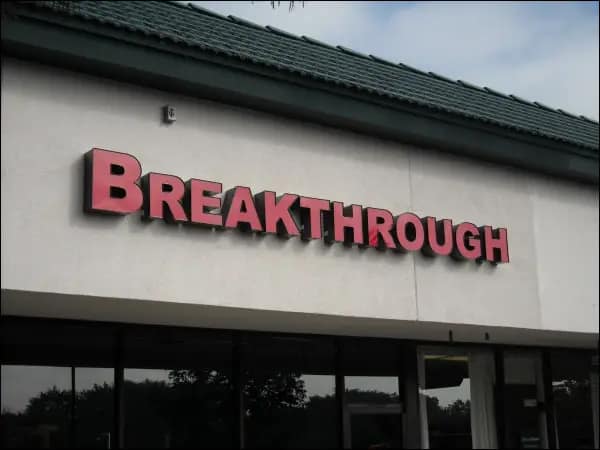
These are the three-dimensional individually lit letters you see on retail stores and restaurant chains. Each letter is its own unit mounted directly to the building face. They read clearly from a long distance and stay visible after dark without any extra effort.
They cost more than a flat sign and need professional installation. For a business on a busy commercial strip where visibility from a moving vehicle is the priority, that cost makes complete sense.
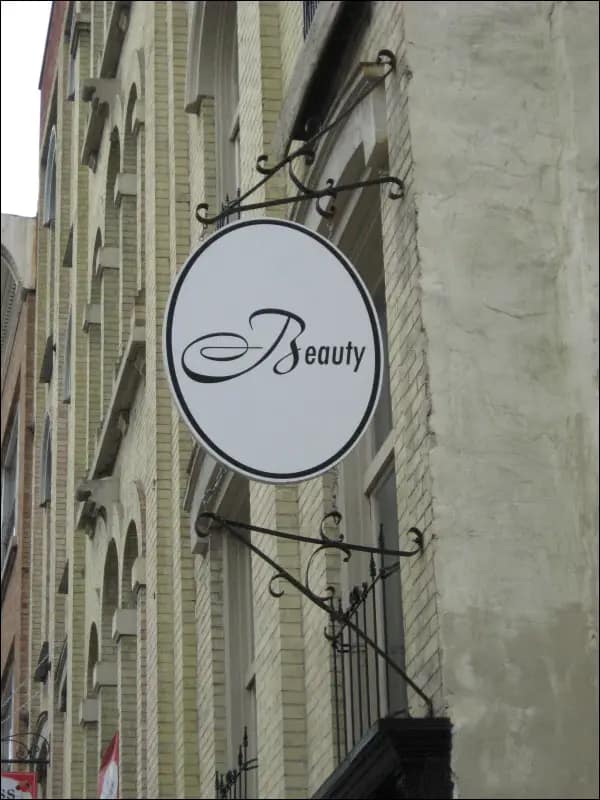
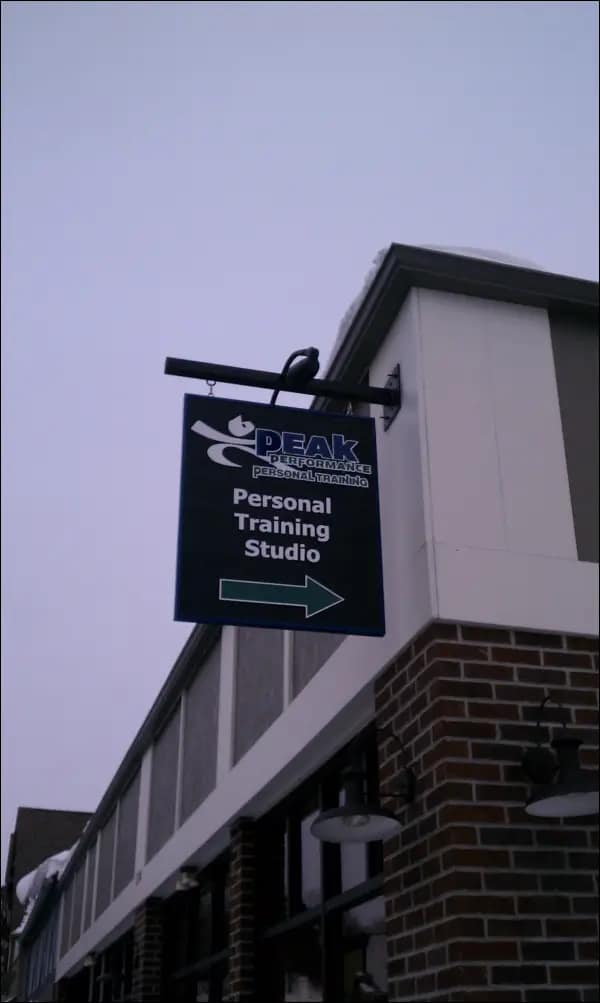
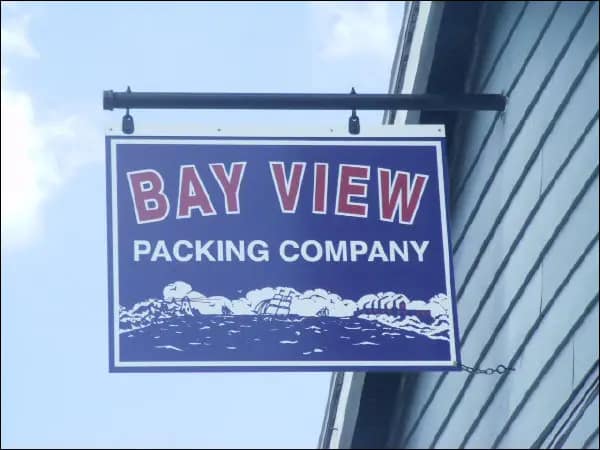
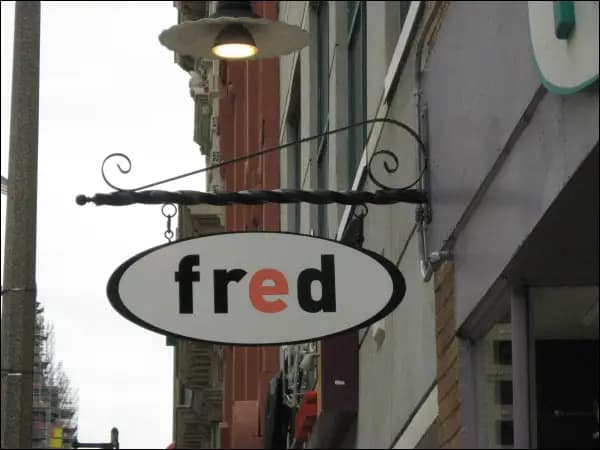
Blade Signs
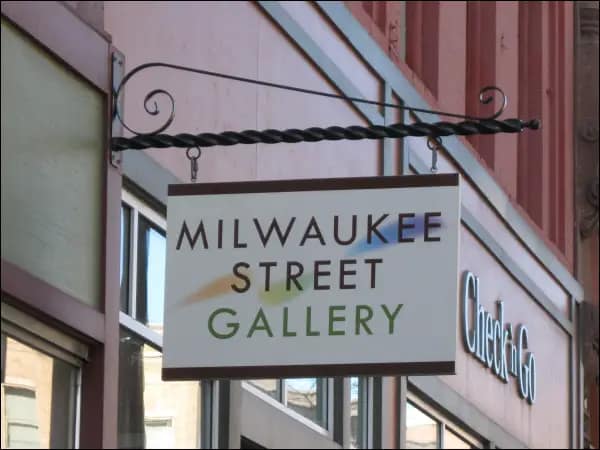
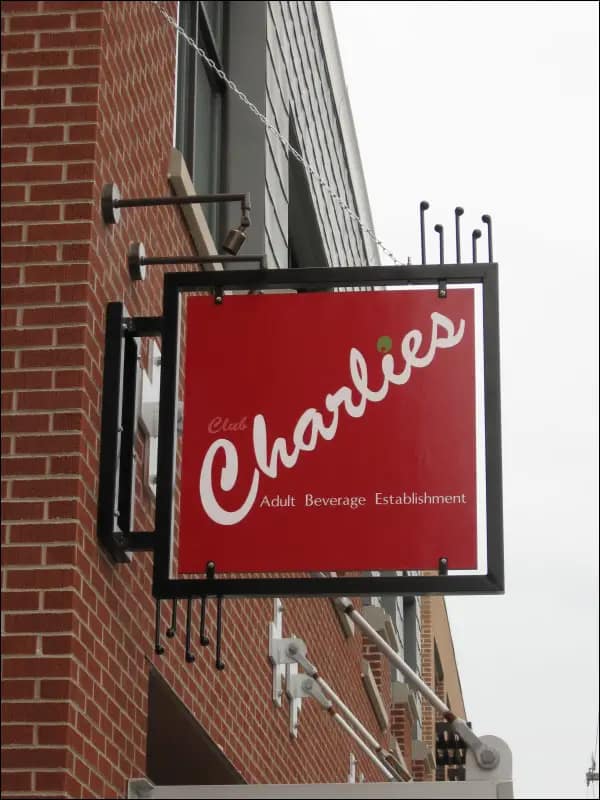
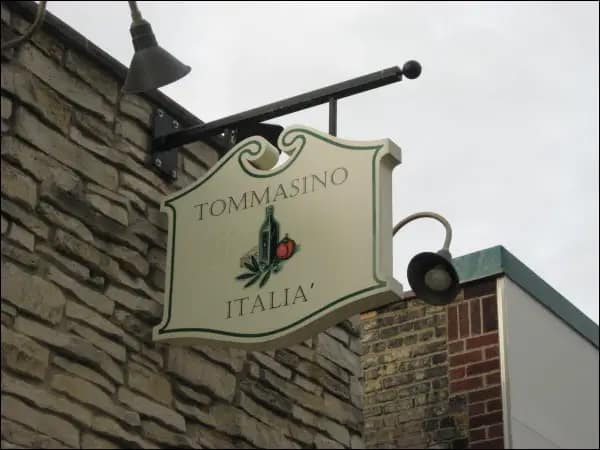
Blade signs stick out from the building face at a right angle instead of sitting flat against the wall. Pedestrians walking down the sidewalk will never see a flat fascia sign until they are directly in front of it.
Blade signs are most effective in busy pedestrian areas such as main street districts, historic downtowns, and shopping districts. A blade sign ensures that a person walking toward your shop from either direction will see it long before arriving.
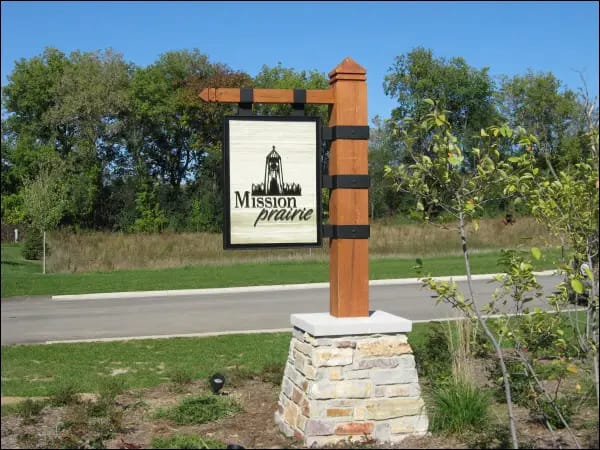
Monument Signs
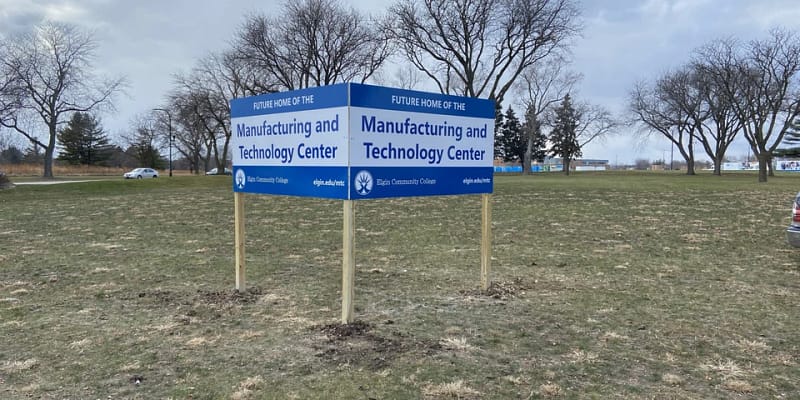
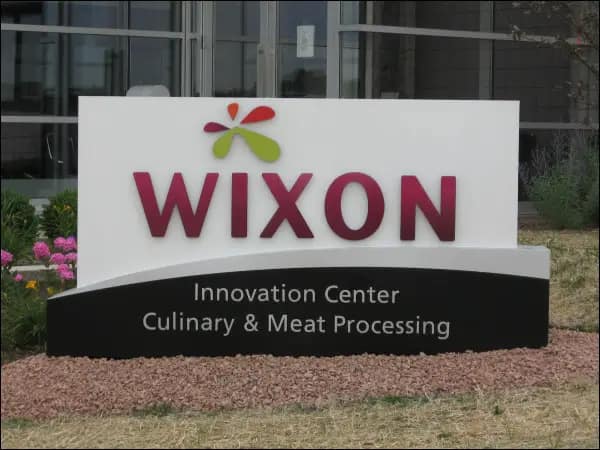
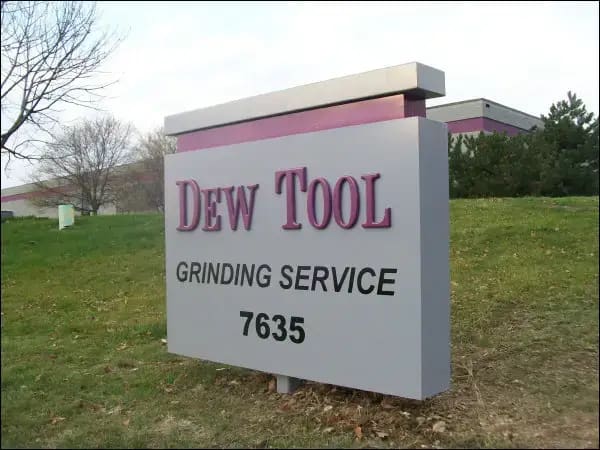
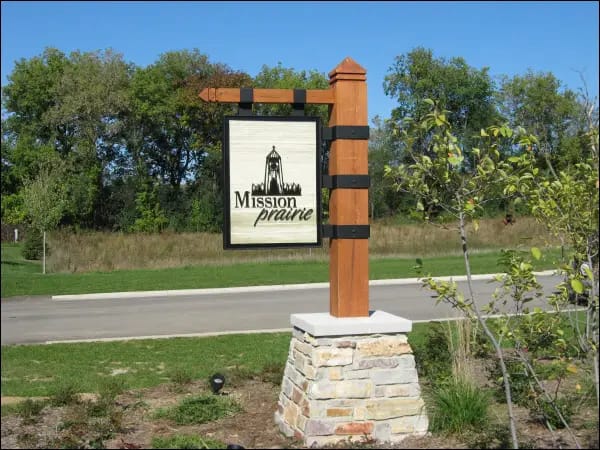
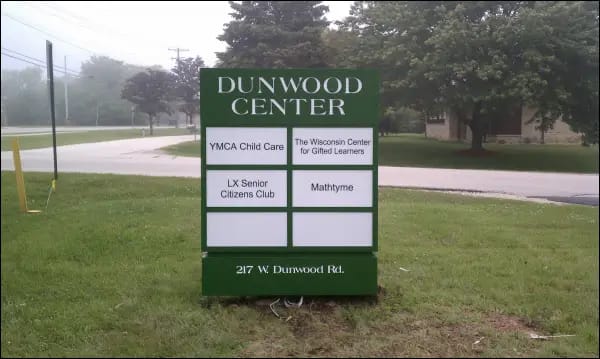
These sit at ground level near the entrance to a property. Businesses set back from the road, office parks, medical facilities, and shopping centers use them because a building-mounted sign wouldn’t be readable from the street at that distance.
A solid monument sign gives a business a serious, established presence before someone even parks their car.
Window Graphics and Lettering
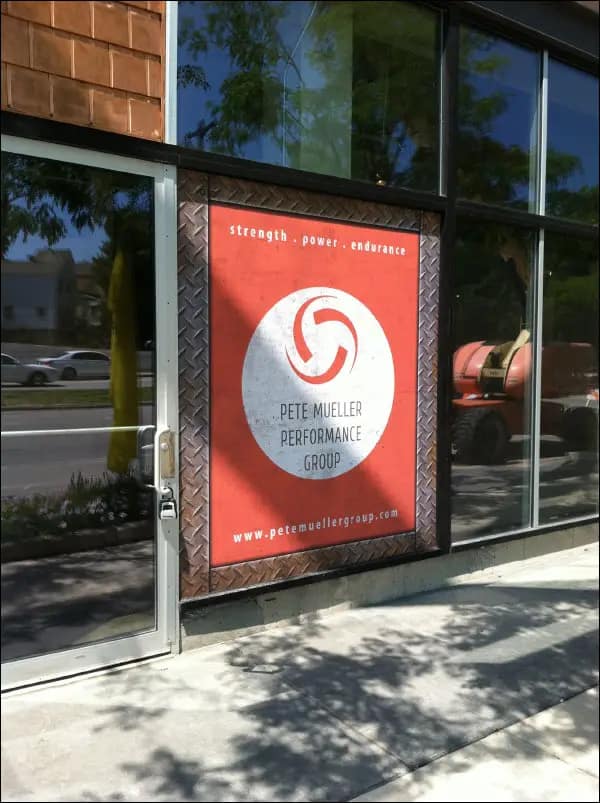
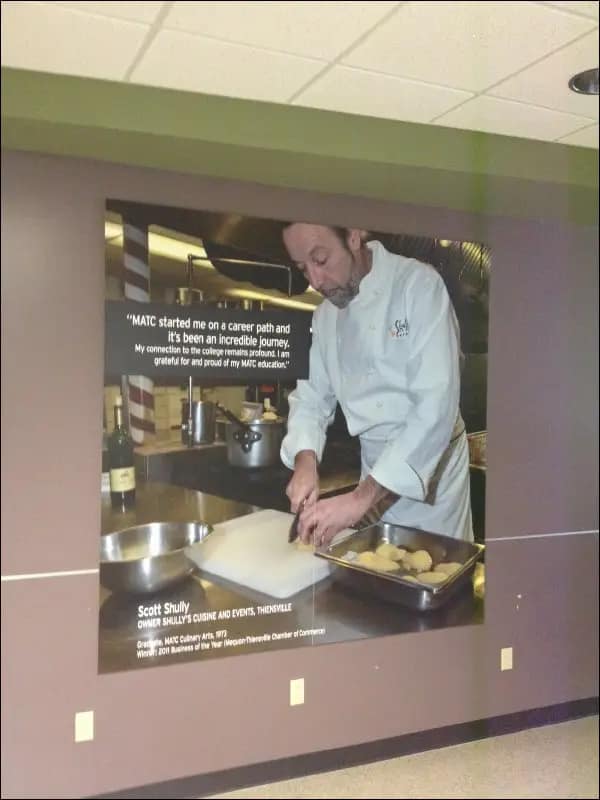
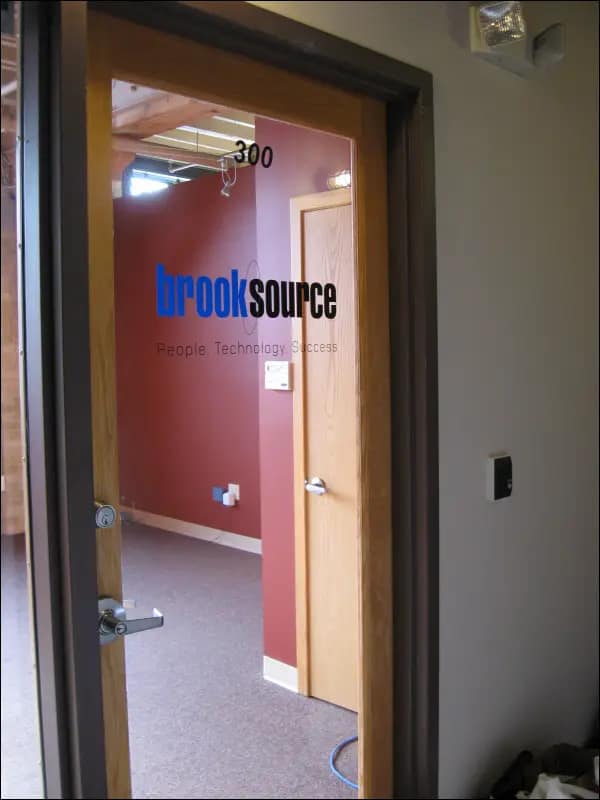
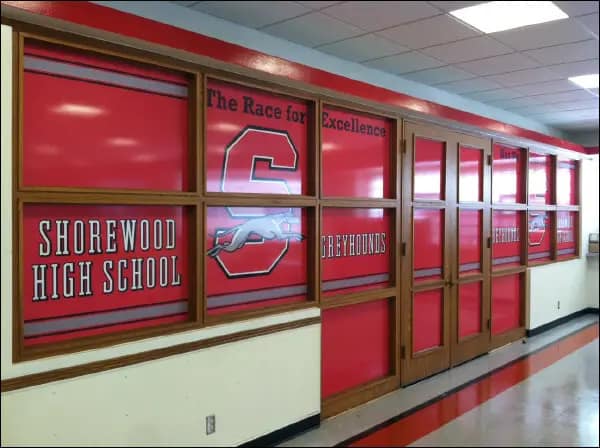
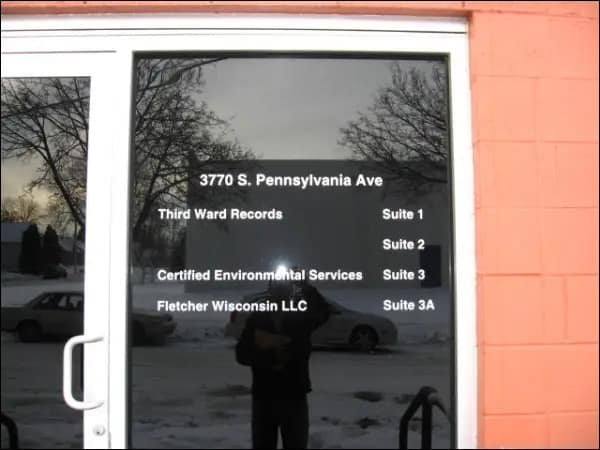
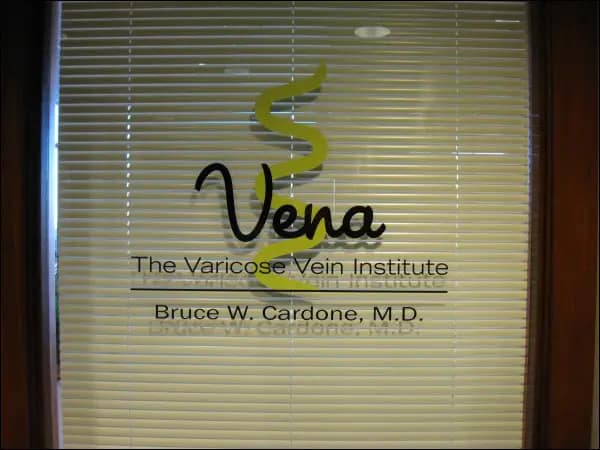
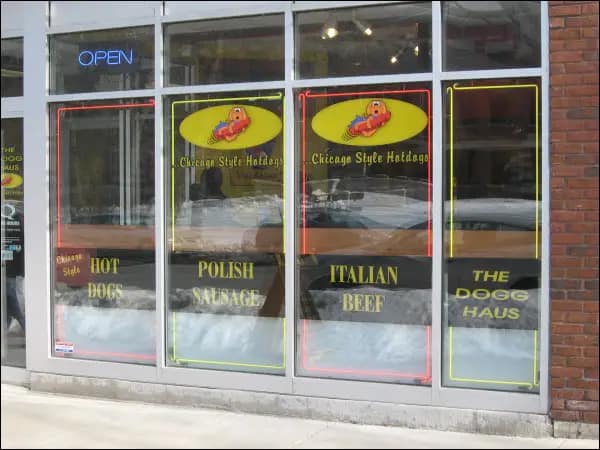
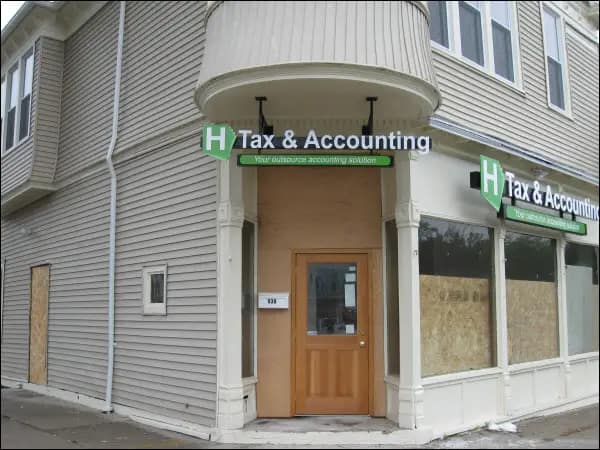
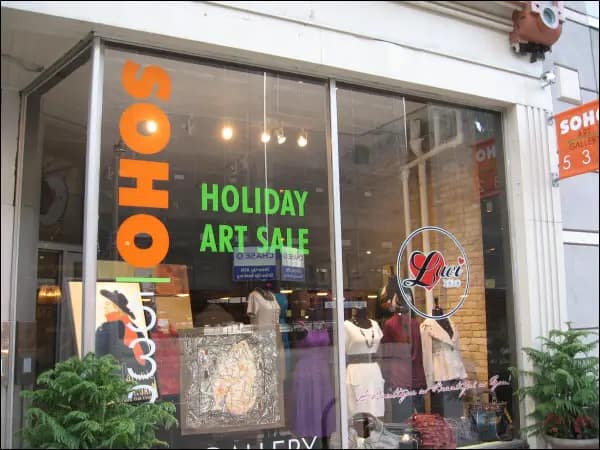
Empty storefront windows are wasted advertising space. Window graphics turn that glass into something that communicates your services, your hours, your current promotions, or simply your brand identity. The cost is relatively low compared to other sign types and the impact on how the storefront looks can be significant.
At Signarama, figuring out which combination of sign types fits a specific business and location is where we spend a lot of our time with clients. There’s rarely a one-size-fits-all answer.
Illuminated and LED Signs
A sign that isn’t lit after dark is invisible after dark. For any business open in the evening or located somewhere with evening foot traffic, illumination isn’t optional. LED options have come a long way in terms of efficiency and lifespan and they cost significantly less to run than older neon or fluorescent alternatives.
What the Numbers Say
| Finding | Source |
| 76% of consumers entered a store they had never visited before based on its sign | FedEx / Ketchum Research |
| 68% of consumers believe a sign reflects the quality of the business | FedEx / Ketchum Research |
| Improving signage can increase sales by up to 10% | Sign Research Foundation |
| 50% of customers said they drove past a business because the sign was unclear | Sign Research Foundation |
The Sign Research Foundation has done serious research on this and their findings consistently show that on-premise signage delivers one of the highest returns on investment available to a local business. A quality sign keeps working every day for years. A paid ad stops the moment the budget does.
Design Things That Actually Matter
Good design for a storefront sign isn’t about making something look artistic. It’s about making something work from a distance, at speed, in different light conditions, for people who aren’t trying very hard to read it.
Readability at distance. The font has to be legible from far away and at a quick glance. Thin decorative fonts that look elegant on a logo often become completely unreadable on a sign viewed from across the street.
Contrast. Dark text on a light background or light text on a dark background. This sounds basic but it gets ignored constantly. Low contrast combinations look fine on a screen and fall apart on a sign in real-world lighting.
Simple hierarchy. The business name is the most important thing. It should be the biggest thing. Everything else on the sign supports it rather than competing with it. The more elements you add, the weaker the whole thing gets.
Brand consistency. The sign should look like it belongs to the same business as the website, the business cards, and the packaging. Disconnected visual identity across different touchpoints slows down the brand recognition you’re trying to build.
Right scale for the building. A sign too small for the facade looks like an afterthought. A sign too large looks cheap and overwhelming. This is something that benefits from professional input because it requires understanding the actual viewing distances and angles for a specific location.
Mistakes That Show Up Over and Over
Overloading the sign with information is the most common one. Business name, tagline, phone number, website, hours, list of services. All of it crammed onto one sign. Nobody reads all of that. The important stuff gets lost in the noise.
Buying cheap to save money upfront usually costs more over time. A sign that starts fading and deteriorating after two years needs replacing. The replacement cost plus the damage to the business image during those two years adds up to more than the quality sign would have cost in the first place.
Ignoring local sign regulations is another one that bites people. Most municipalities have rules about sign dimensions, placement, lighting types, and materials. Finding this out after the sign is already designed and fabricated means expensive changes. Working with professionals who already know the local codes avoids that entirely.
Signarama handles the full process including design, permitting, and installation so none of that falls on the business owner to figure out.
How to Tell If Your Current Sign Needs Replacing
The storefront across the street is actually yours. View it from the perspective of someone who is seeing it for the first time. Reflect on whether you see just what the business’ is. Inquire if it seems like a place worth going into. Inquire if it matches the true quality of the product.
Your discomfort with any of those responses is a valuable insight. The sign has made people uncomfortable already, they simply don’t tell you about it.
FAQs
What do storefront signs typically cost?
The cost of tents vary according to tent type, size, and materials. An inexpensive flat sign can start at a few hundred dollars. Monument signs and channel letters are greater investments. To get accurate numbers, we recommend getting a quote.
How long can you expect a good sign to last?
If you maintain your sign properly and with good material choices a good sign can last ten years or more. Illuminated LED signs have longer useful lives and require less maintenance than older lights.
Can I update my sign without replacing everything?
Often yes. Faces can be swapped, lighting can be upgraded, and graphics can be refreshed without replacing the whole structure depending on what needs to change.
How long does the whole process take?
Design through permitting through installation typically runs four to eight weeks. Sign complexity and local permit timelines are the main variables.
Is lighting on a sign really necessary?
A: For any business open after dark or in an area with evening foot traffic, yes. An unlit sign after dark does nothing for you at all.
Conclusion
Storefront signs work constantly and quietly in the background of your business without anyone managing them or paying for them after the initial investment. They attract people who had no idea they were about to become customers. They communicate the quality and personality of the business to everyone who passes. They build recognition with the same people over weeks and months until those people finally walk in one day. Whether it’s a new sign or a corrective measure to fix something that isn’t working properly, giving your sign the attention it needs from the outset is one of the simplest and highest-return investments a physical business can make. To explore what will suit your storefront, make your way to Signarama and contact a team that has been helping businesses get their storefront signs right for a long time.