





























Advertising can appear almost anywhere customers encounter a business. It could be a paid search result, a social media ad, a billboard, a storefront sign, a branded vehicle, an event display, or a temporary banner. That variety makes types of advertising difficult to classify with one simple list. Advertising can be grouped by channel, location, format, or campaign goal. Some categories can overlap.
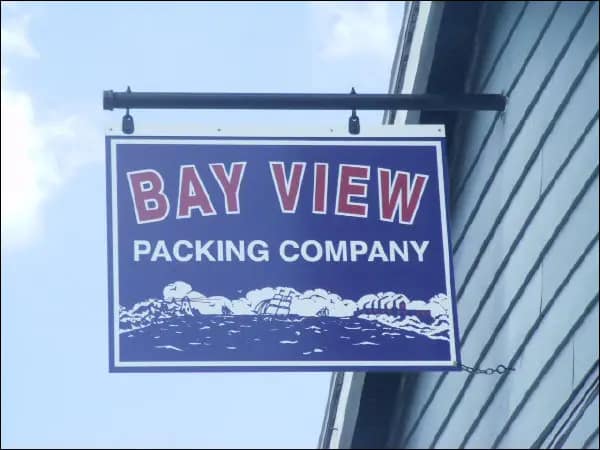
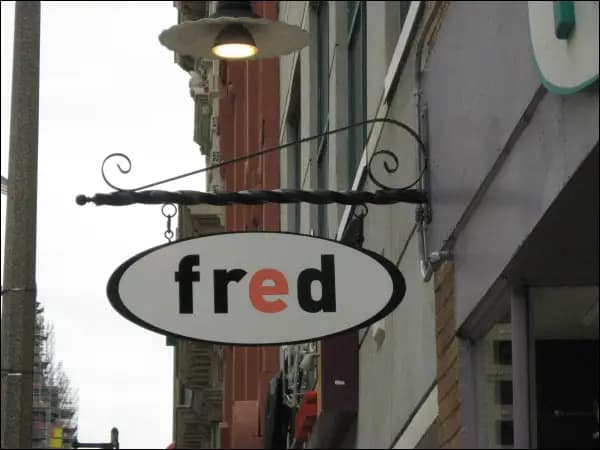
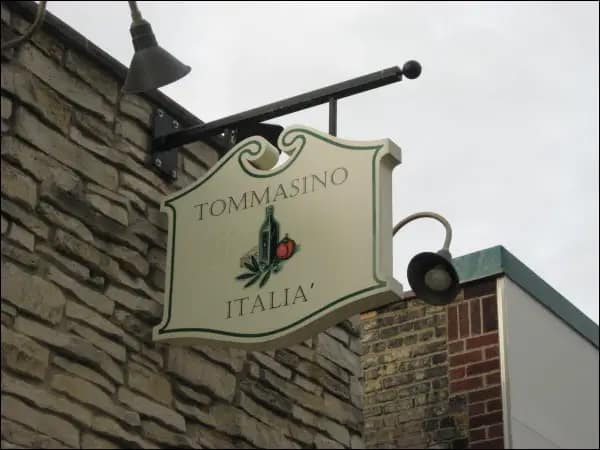
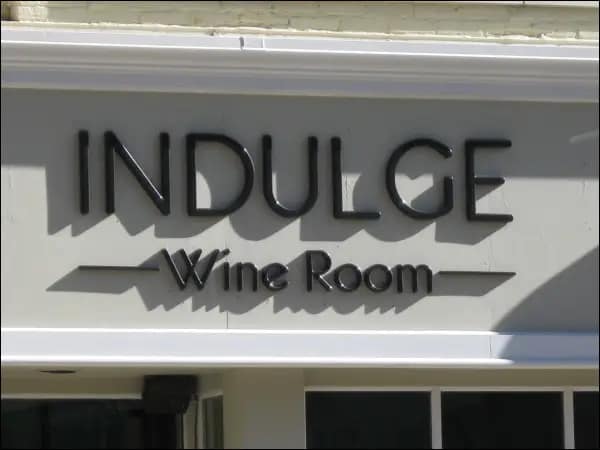
For local businesses, physical advertising deserves particular attention. Storefront signs, monument signs, channel letters, window graphics, banners, wayfinding signs, and vehicle graphics can support different visibility and branding goals. The right choice depends on audience, objective, location, viewing distance, message length, campaign duration, lighting, installation conditions, and budget.
Key Takeaways
- Digital advertising includes paid search, social media, display, and video advertising.
- Traditional advertising includes television, radio, newspapers, magazines, and direct mail.
- Outdoor or OOH advertising reaches people in public spaces. It uses billboards, transit ads, and street-level media.
- Signage advertising includes storefront signs, monument signs, channel letters, banners, window graphics, illuminated signs, and other physical displays.
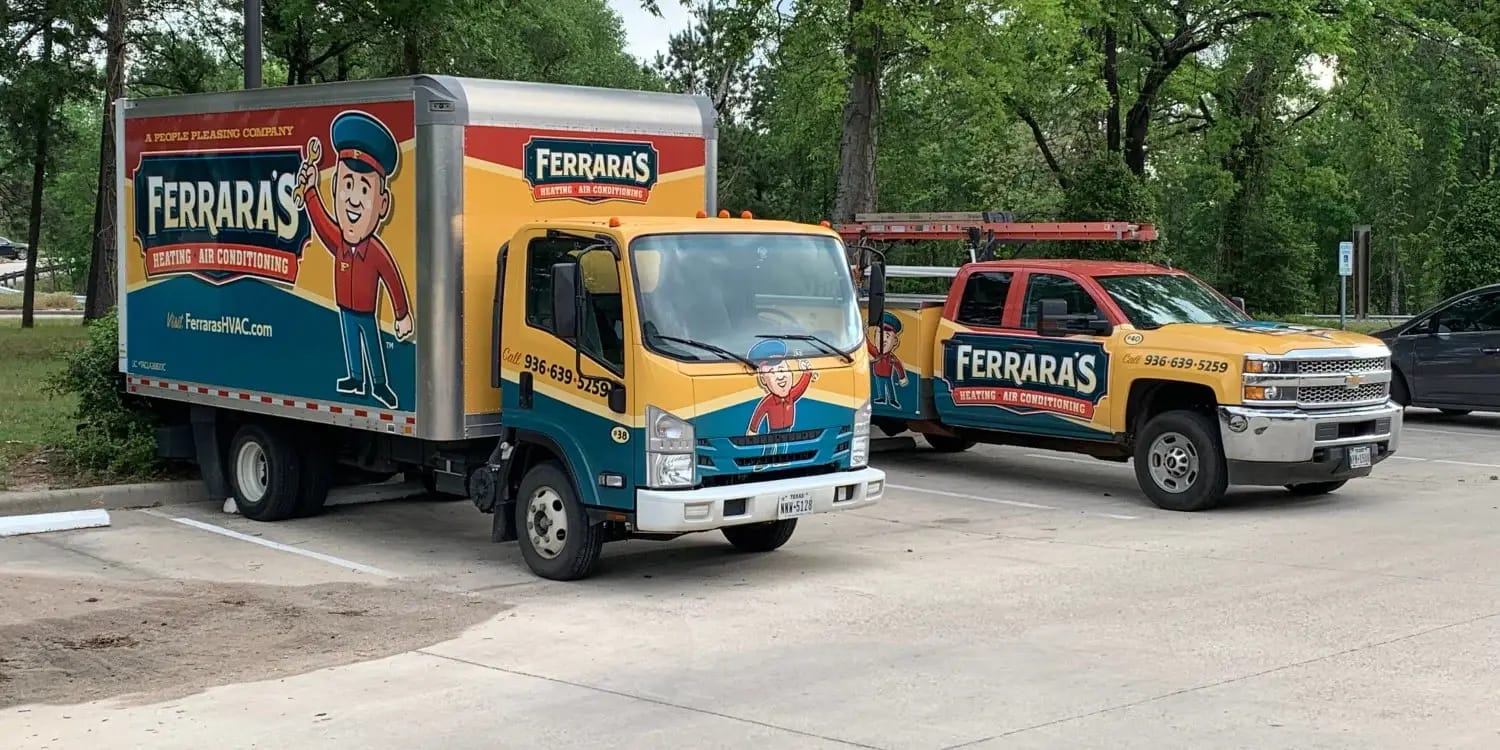
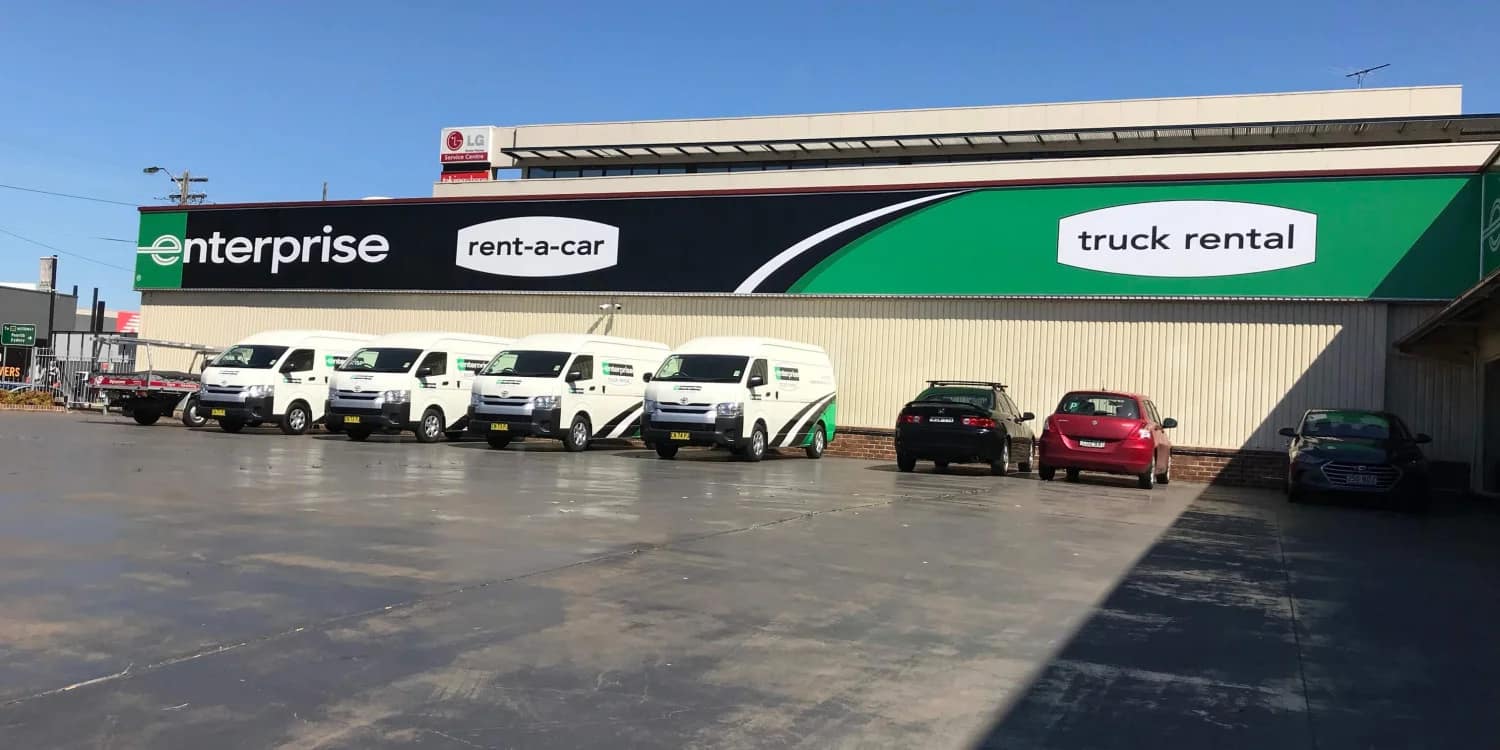
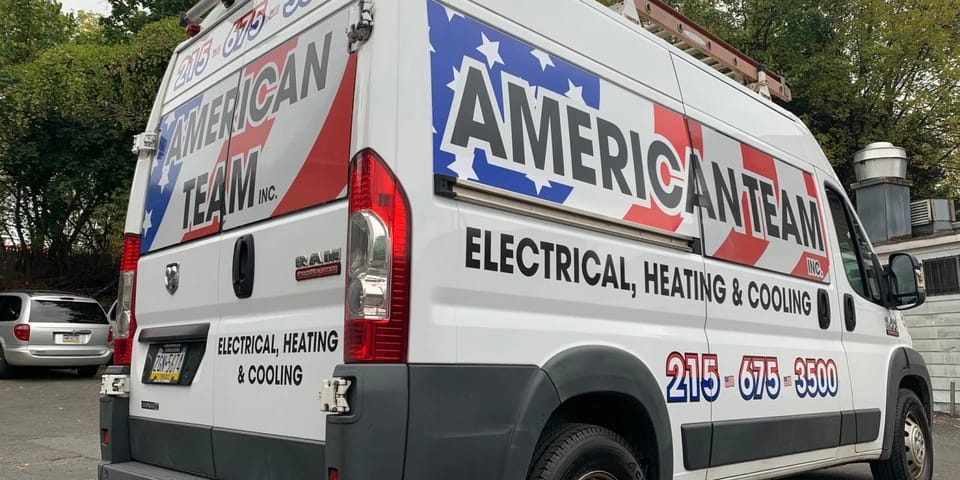
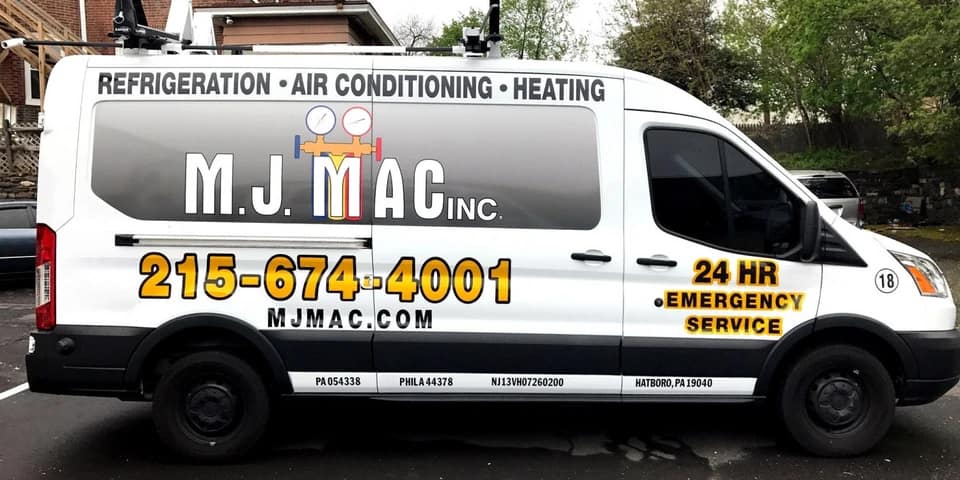
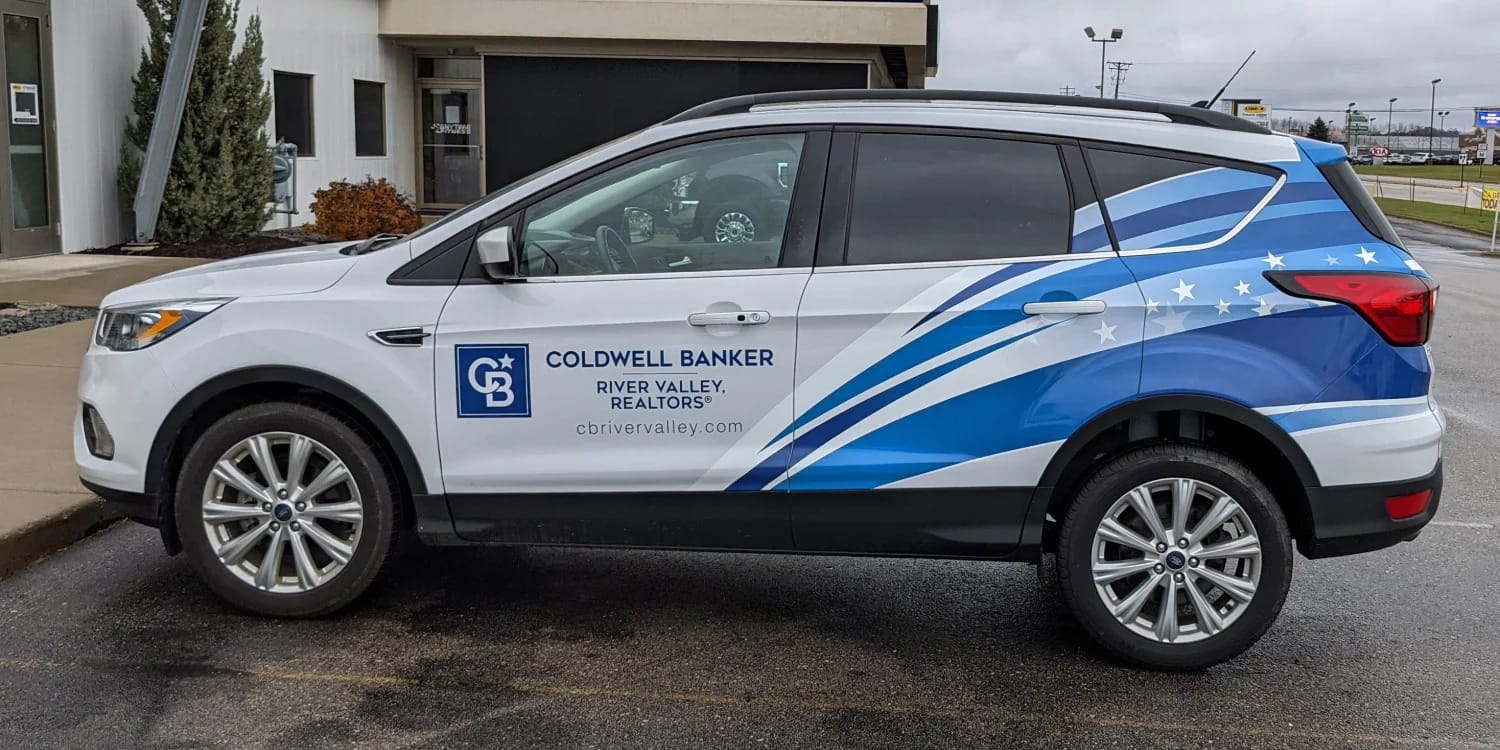
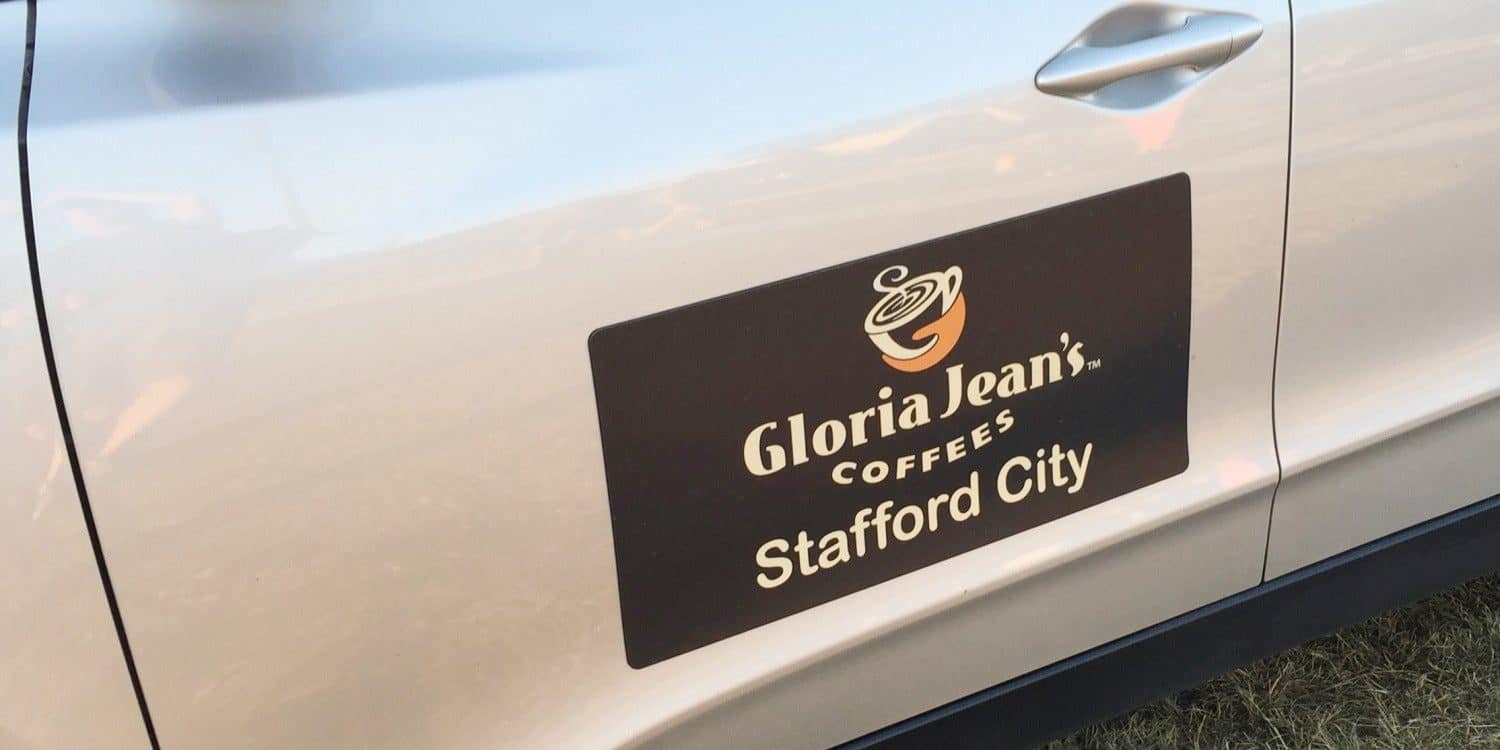
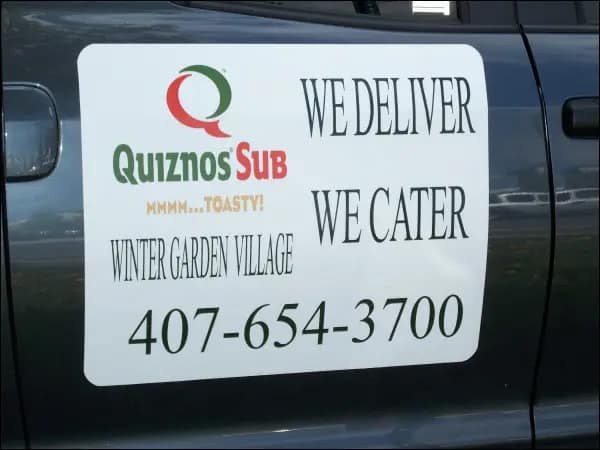
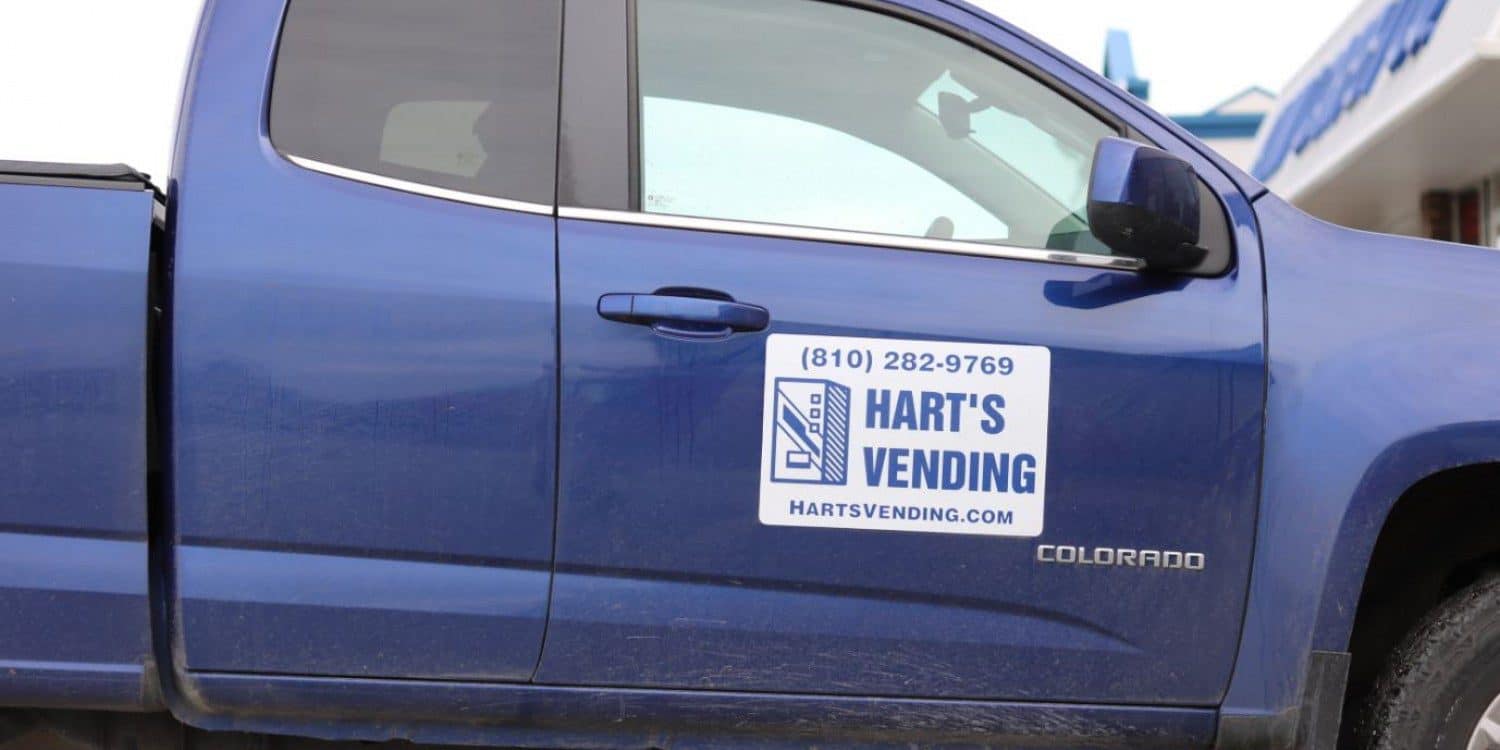
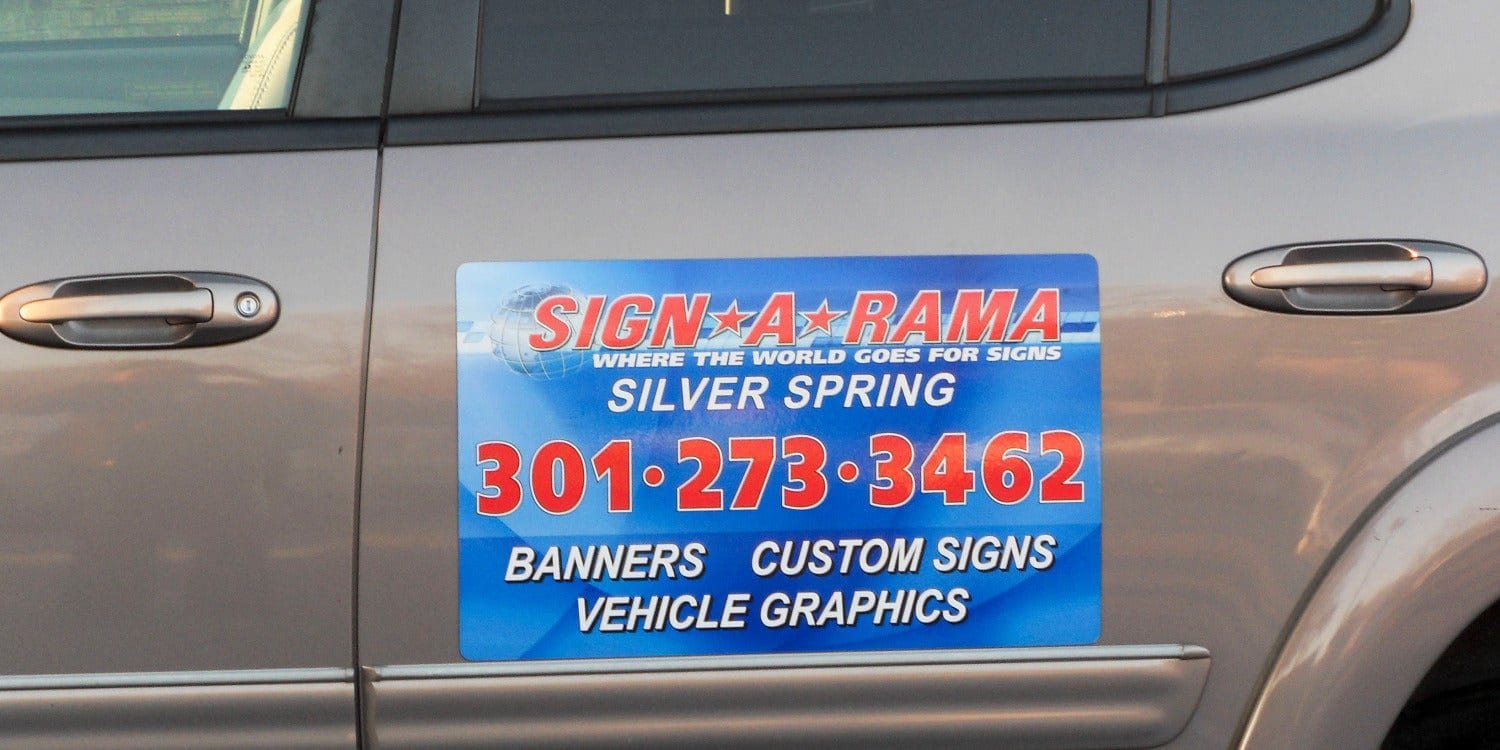
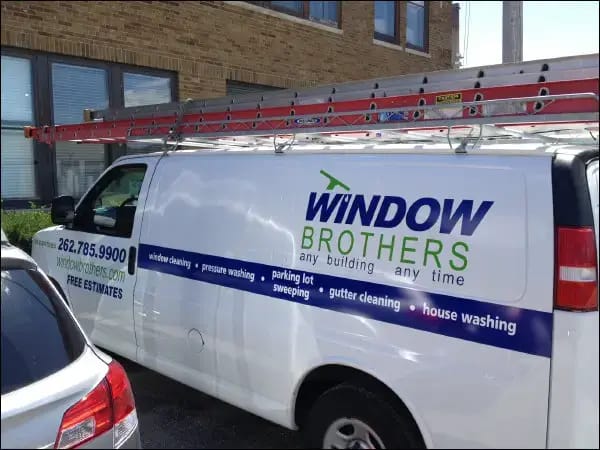
- Vehicle advertising uses cars, vans, trucks, trailers, and fleets for mobile brand exposure.
- The right advertising format depends on where customers see it, how long they have to process it, and what the message needs to accomplish.
Table of Contents
- What Are the Main Types of Advertising?
- Traditional and Digital Advertising
- Outdoor Advertising
- Signage Advertising
- Types of Signage Advertising
- How to Choose the Right Advertising Type
- Combining Digital and Physical Advertising
- Common Advertising and Signage Mistakes
- Frequently Asked Questions
What Are the Main Types of Advertising?
Common advertising categories include traditional, digital, outdoor, signage, vehicle, print, and event advertising. These categories can overlap. A banner outside an event, for example, can be both print-based and outdoor advertising. A branded service van can serve as vehicle advertising. It also boosts visibility in public spaces.
A useful way to choose between them is:
Audience → Objective → Location → Viewing Conditions → Message → Format
This stops businesses from picking an advertising format just because it’s well-known or trendy.
Traditional and Digital Advertising
Traditional advertising uses offline media like TV, radio, newspapers, magazines, and direct mail. Digital advertising uses paid placements through search engines, social platforms, websites, streaming services, and other online environments.
Digital advertising helps reach people online. It targets specific audiences and adjusts campaigns when needed. Search advertising targets people who are already looking for something. In contrast, social and display advertising can showcase businesses or offers even before someone starts a search.
Traditional advertising works well if a publication, station, location, or audience fits the campaign closely. For local businesses, however, online advertising is only one part of visibility. Physical advertising can continue working around the business itself.
Outdoor Advertising
Outdoor or out-of-home (OOH) advertising targets people when they are outside their homes. This includes billboards, transit ads, street displays, and other media in public spaces.
Because OOH advertising is tied to a physical environment, placement matters. Traffic speed, viewing distance, road direction, lighting, nearby signs, and visual clutter can all impact how fast people grasp the message.
A billboard must share its message differently than a display that people can stop to read. Visibility alone is not enough. The audience seeing the advertisement should also be relevant to the campaign.
Signage Advertising
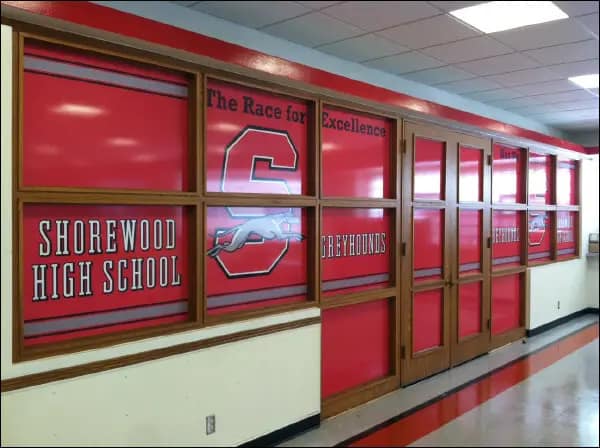
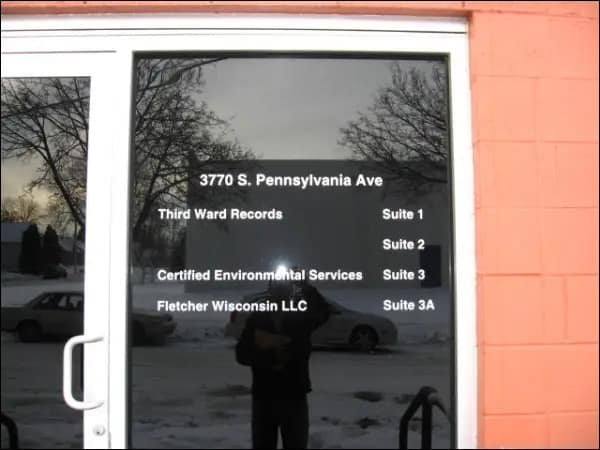
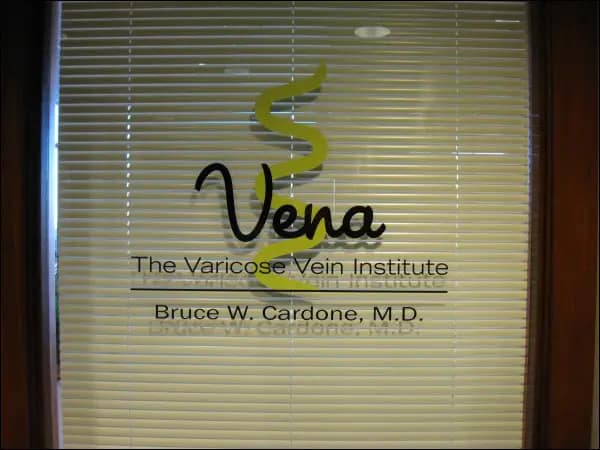
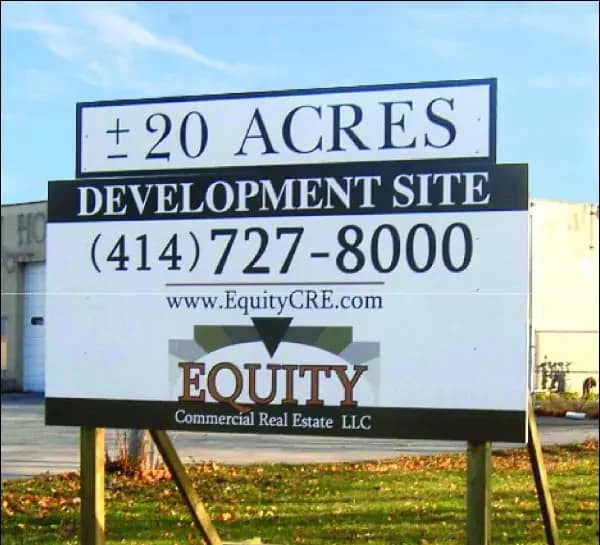
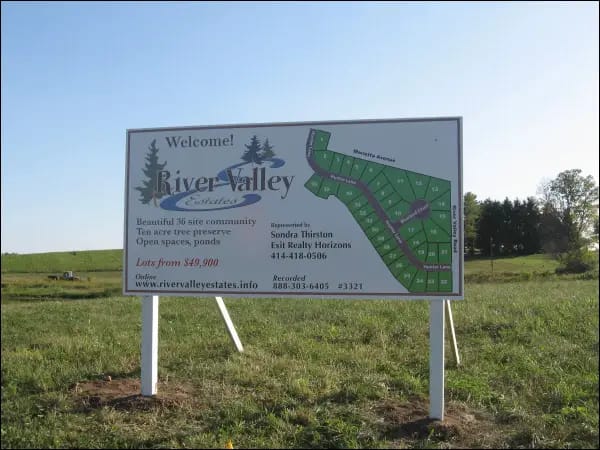
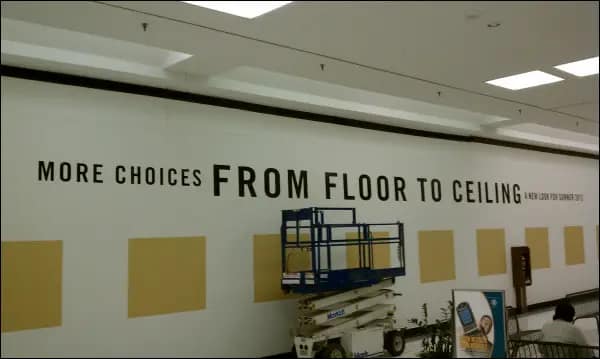
Signage advertising uses signs and graphics to promote or identify a business, product, service, or offer. It helps direct or communicate important information. For local businesses, signage can have several jobs. A storefront sign identifies the business. A monument sign can improve roadside recognition. A banner can promote a temporary offer. Window graphics can use available glass for branding or promotions.
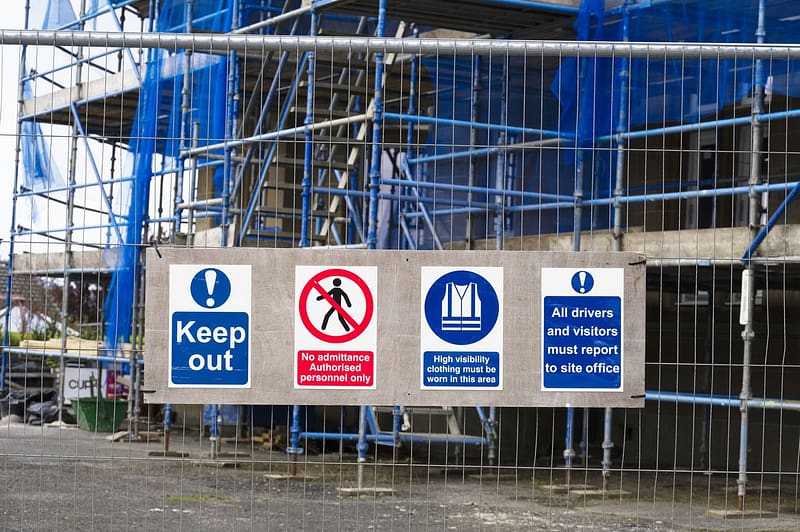
Not every sign is an advertisement. ADA signs, directional signs, and informational signs may serve primarily functional purposes. Understanding that distinction helps businesses avoid treating every sign as a promotional display. Unlike rented media, business signage can also function as a long-term physical asset. Once installed, it can keep supporting recognition. You don’t need to place new media for every view.
Types of Signage Advertising
Storefront Signs
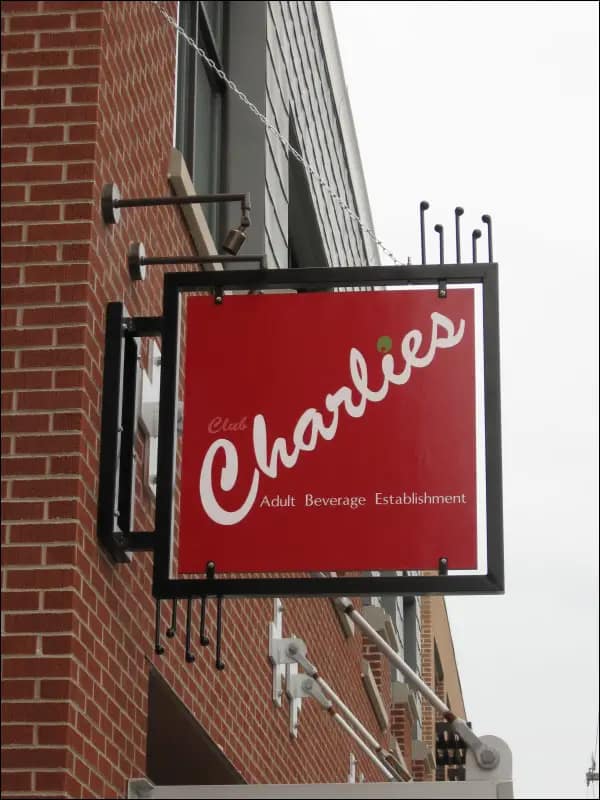
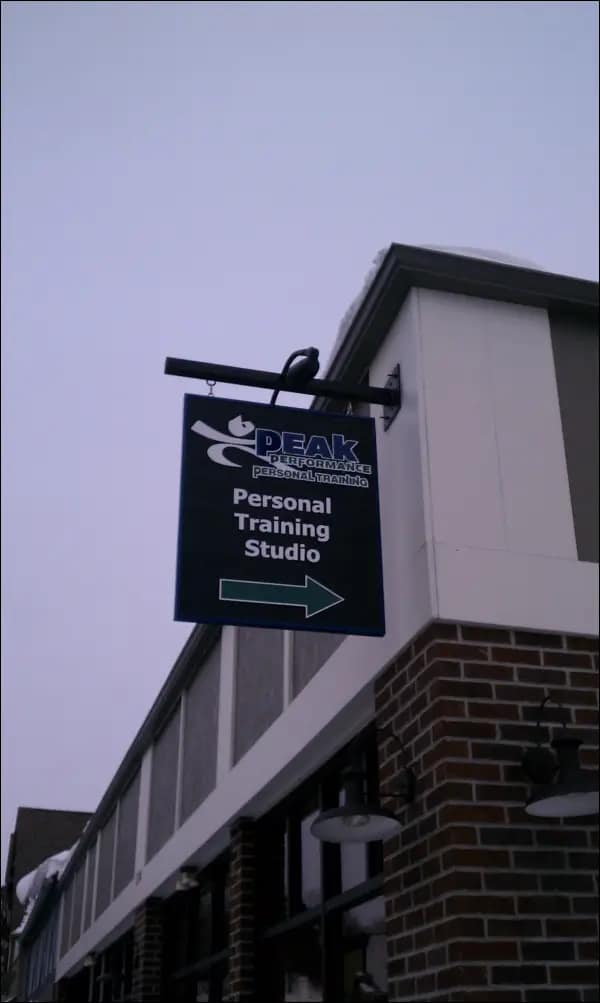
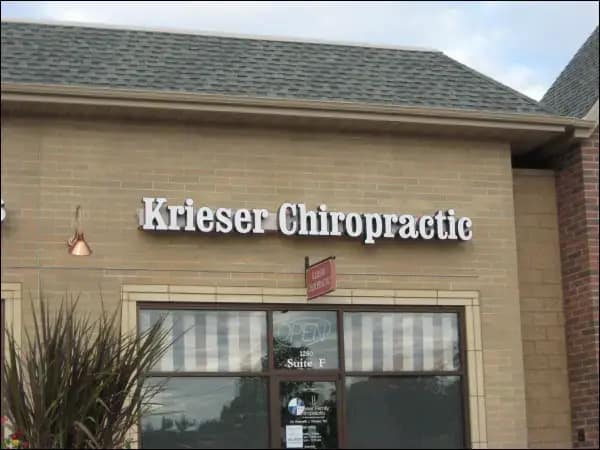
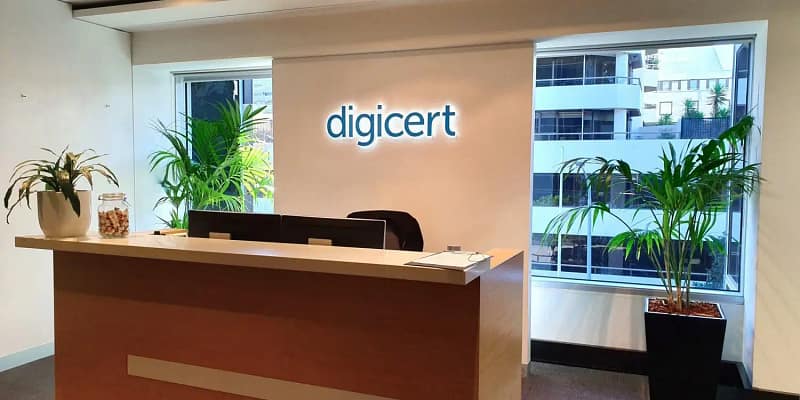
Storefront signs help customers identify a business at its physical location. Their effectiveness depends on more than the design itself.
Building architecture, viewing distance, road direction, surrounding signs, available space, lighting, and local requirements can all influence the final sign.
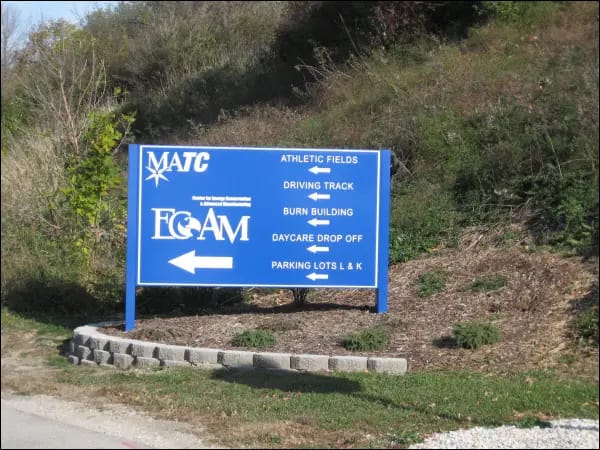
Monument Signs
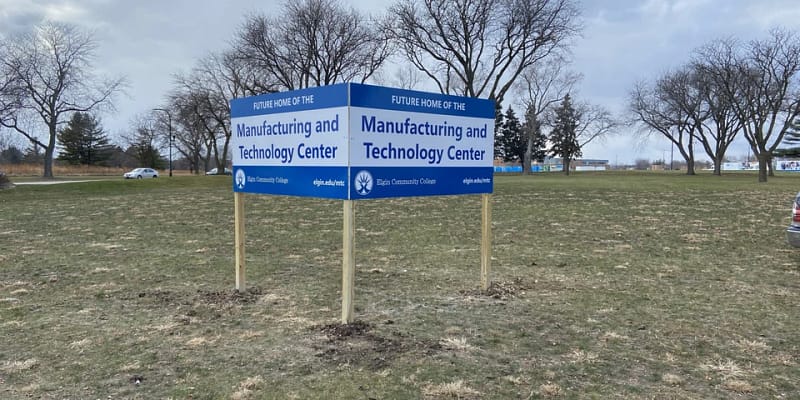
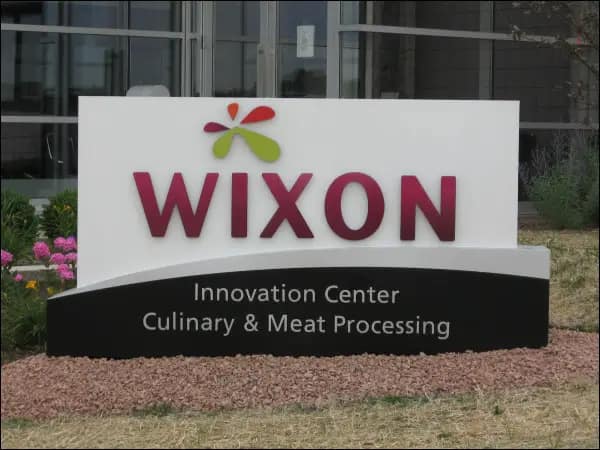
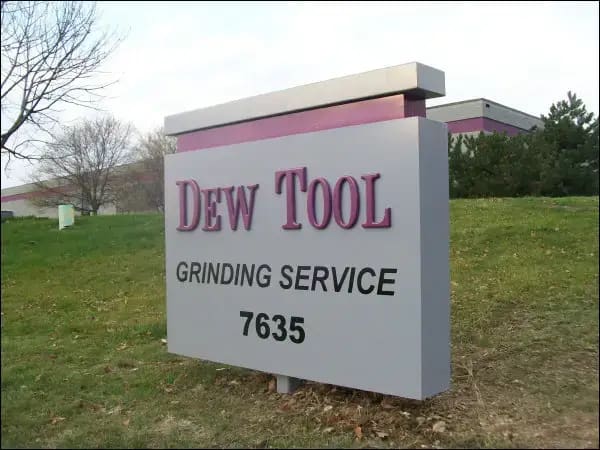
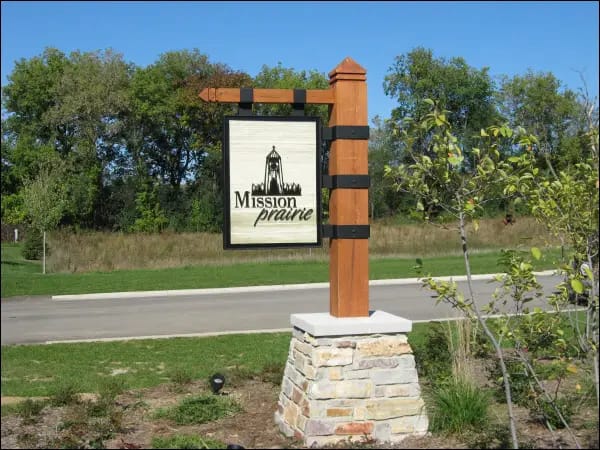
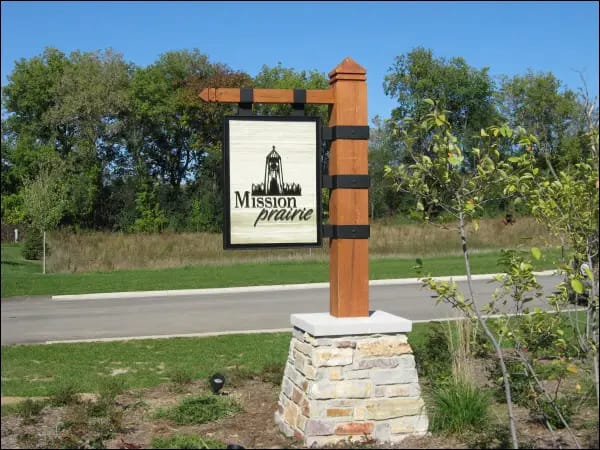
Monument signs are freestanding signs commonly positioned near property entrances or along roads. They can help customers recognize a business or property before reaching the building. Sightlines are important. Landscaping, parked cars, road height, and nearby buildings can all impact visibility.
Pylon Signs
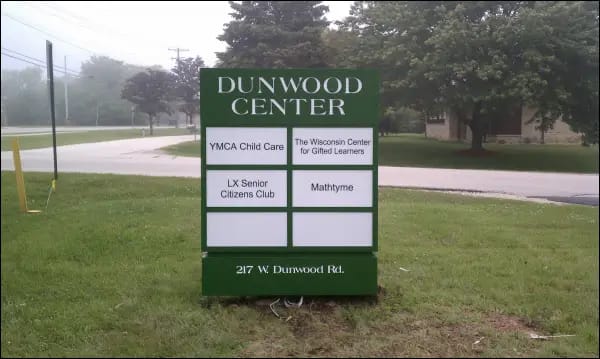
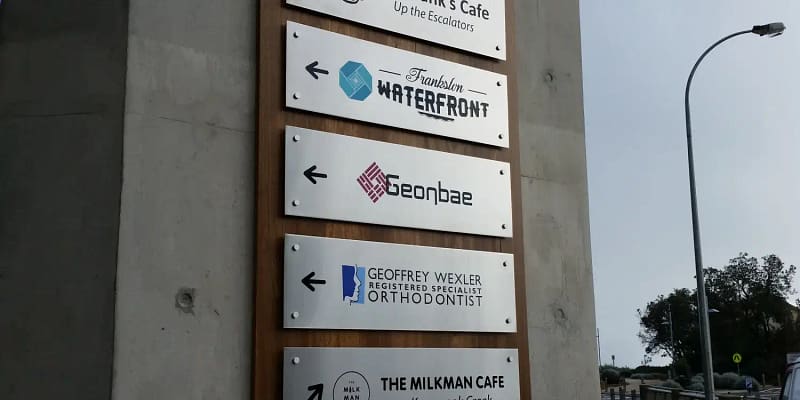
Pylon signs are taller freestanding signs designed to provide visibility from greater distances. They can help commercial properties, shopping centers, and places where businesses need to stand out from nearby visual blocks. When multiple businesses share a pylon, limited space makes concise branding especially important.
Channel Letters and Dimensional Signs
Channel letters use individually fabricated letters for storefront identification. Dimensional letters and logos add physical depth to exterior or interior branding. These formats can strengthen brand recognition without requiring large amounts of supporting copy.
Illuminated Signs
Illuminated signs use lighting to improve visibility during lower-light conditions. The decision to illuminate a sign should consider operating hours, viewing distance, surrounding lighting, building position, maintenance, and applicable requirements. More lighting is not automatically better advertising.
Digital Signage
Digital signage uses electronic displays to show changing promotions, announcements, menus, or other content. It can be useful when a business needs to update messages without replacing the physical display. Screen placement, viewing distance, brightness, content frequency, and operating conditions should be considered when selecting digital signage.
Window Graphics
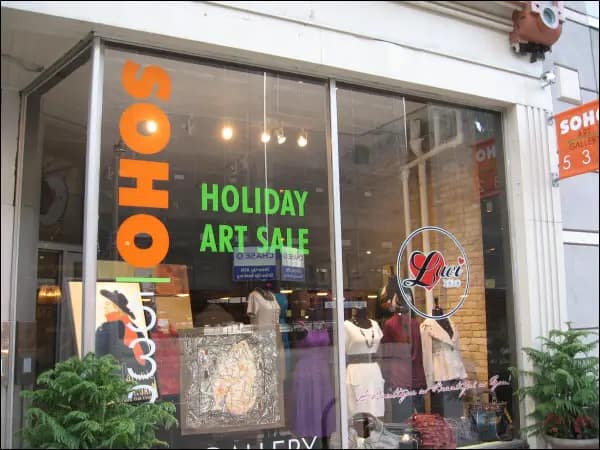
Window graphics can showcase products, services, seasonal offers, events, or branding on glass surfaces. The goal should be balance. Covering all available glass can increase advertising space. However, it may also lower visibility into or out of the business.
Banners
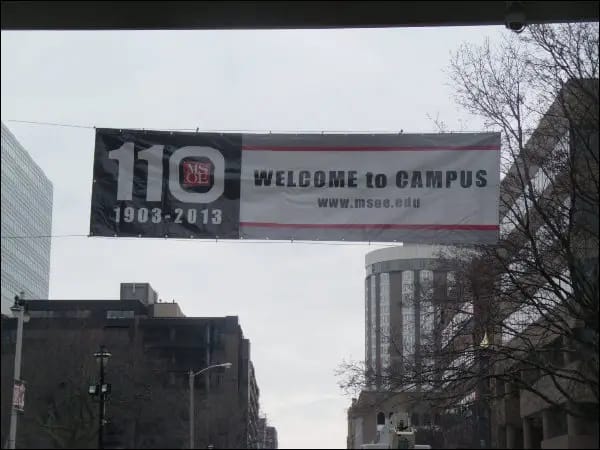
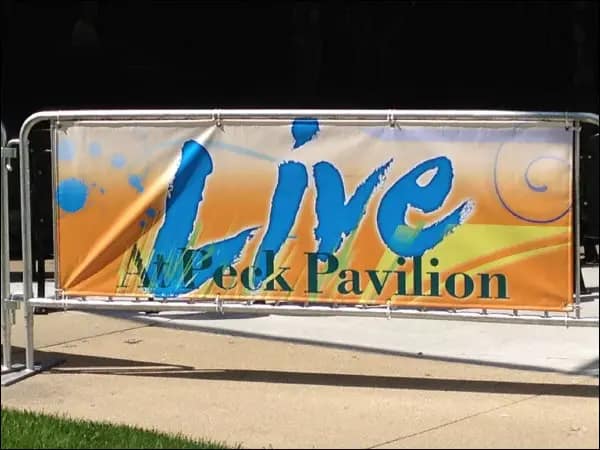
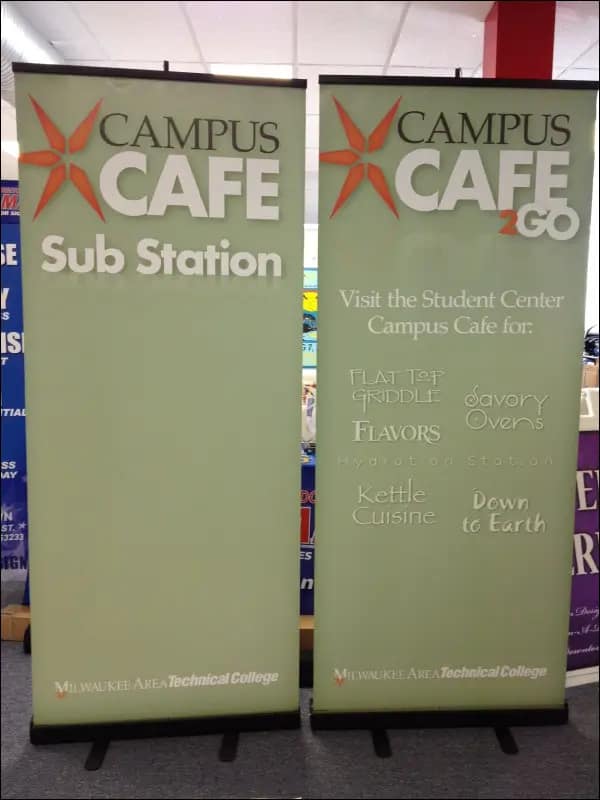
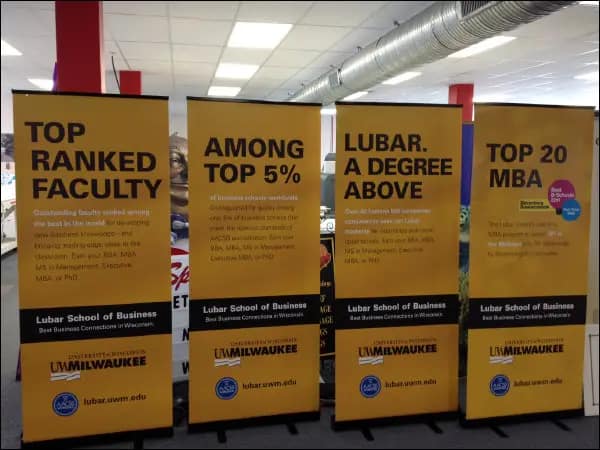
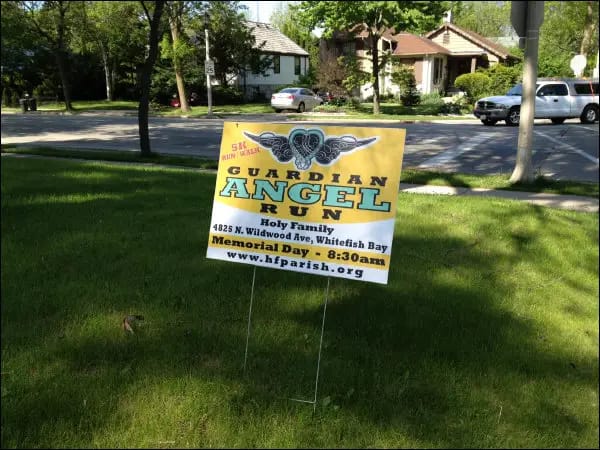
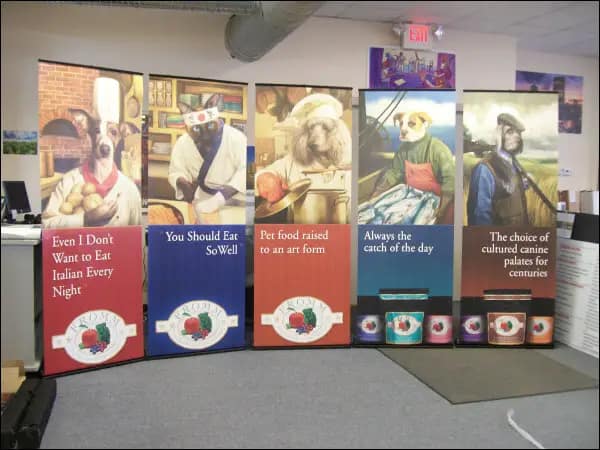
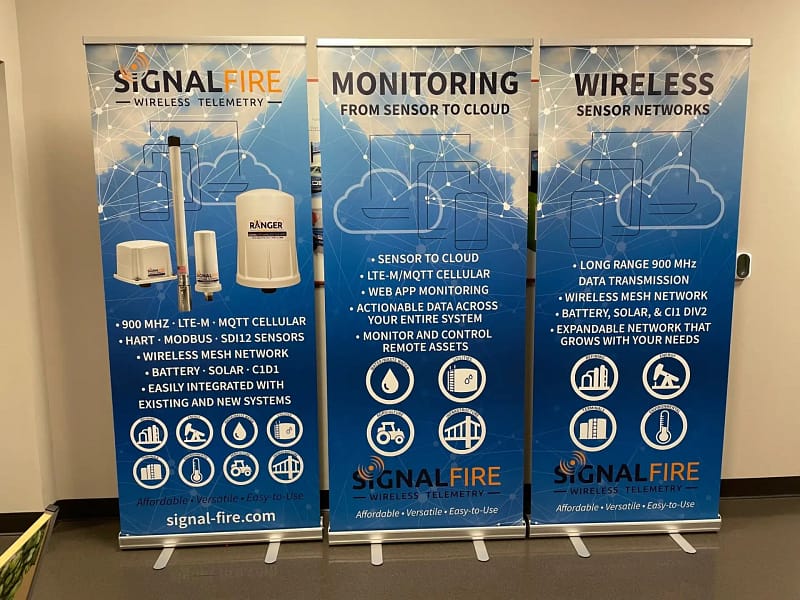
Banners are great for temporary messages. You can use them for grand openings, seasonal promotions, sales, events, and announcements. Their flexibility makes them handy for messages that don’t last as long as the business’s permanent signs.
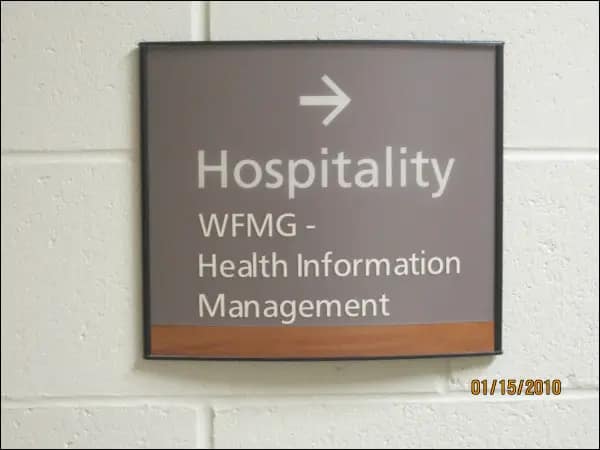
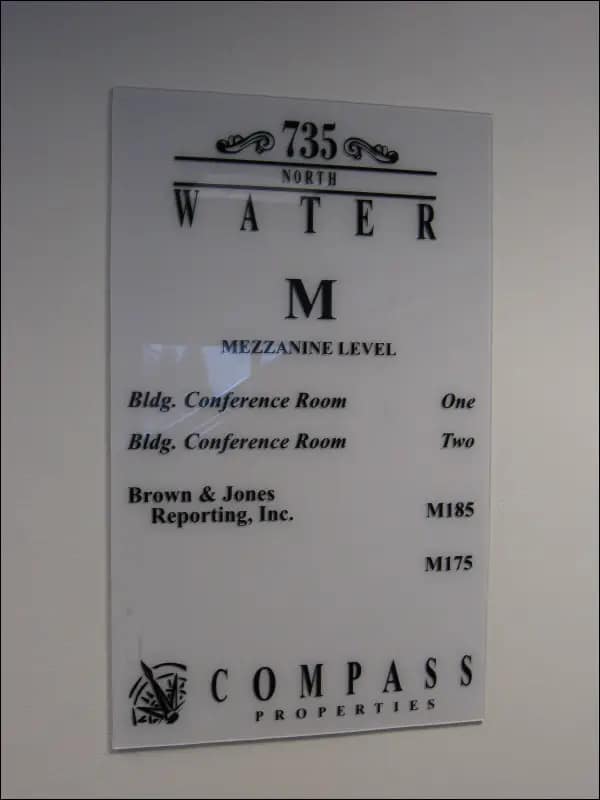
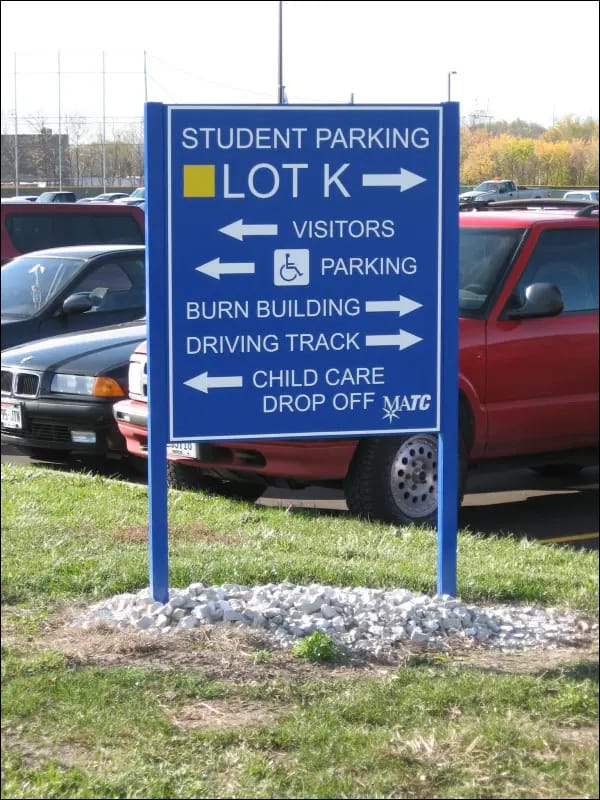
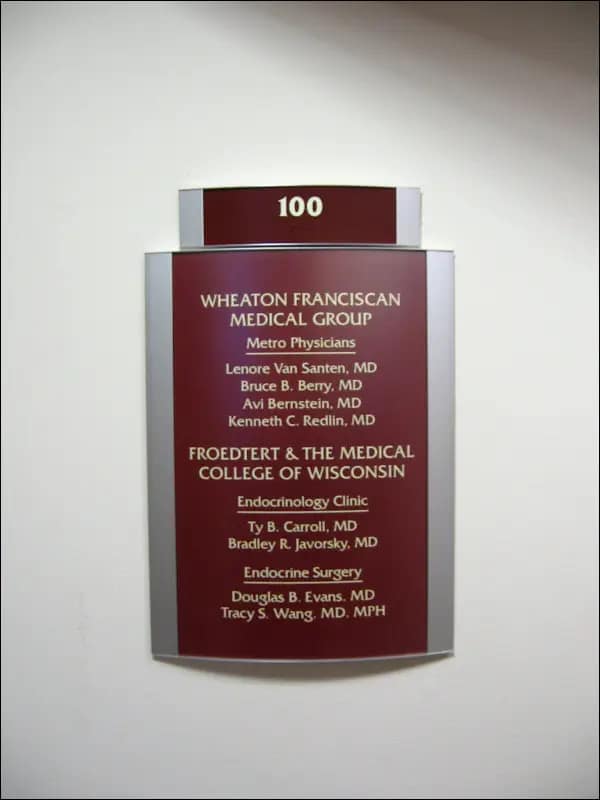
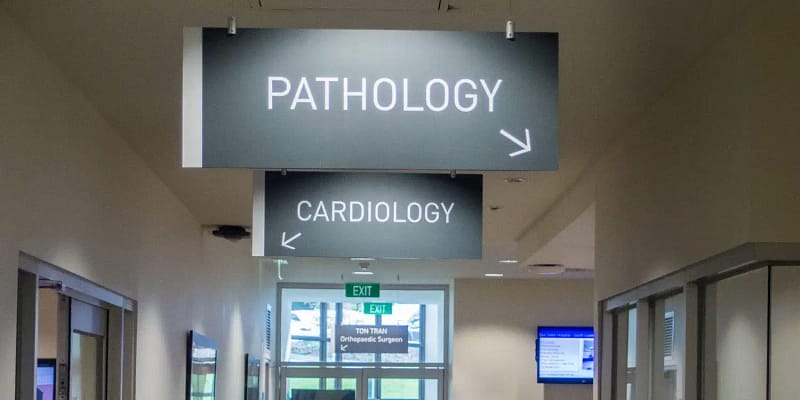
Wayfinding and ADA Signs
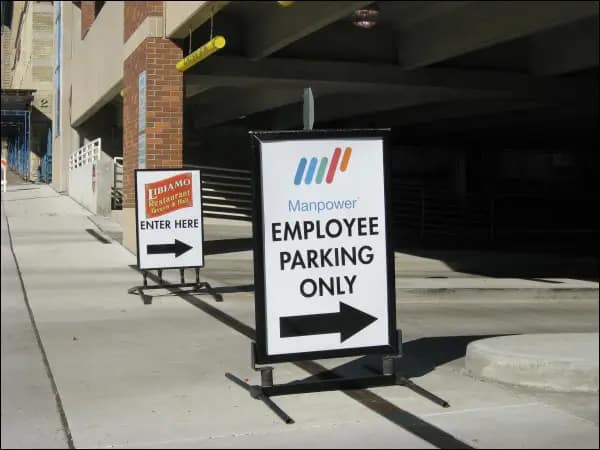
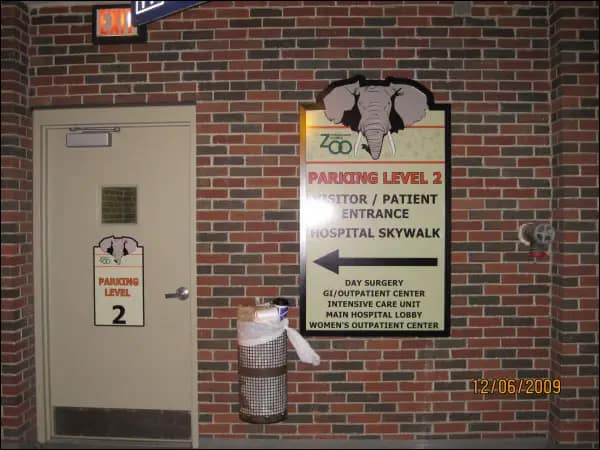
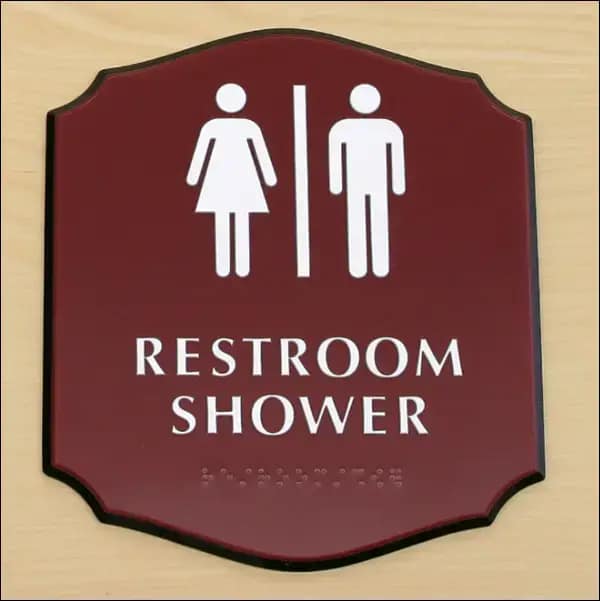
Wayfinding signs help visitors navigate a property, while ADA signage serves accessibility and identification purposes where applicable. These formats aren’t always ads. Still, they enhance the customer’s experience with the business and its surroundings.
How to Choose the Right Advertising Type
There is no single advertising format that fits every business. Start with the business objective, then consider where customers will see the message, how long they have to process it, and how long the message needs to remain relevant.
Consider Where Customers See the Business
Are customers searching online, driving past the property, visiting a physical location, traveling through the service area, or attending an event? The answer helps narrow the advertising channels that fit the customer journey.
Match the Format to Viewing Time
A driver may see a sign for only a few seconds, while a customer in a lobby may have more time to read. Roadside and vehicle advertising therefore need concise, easy-to-read messages. Interior signs, brochures, and event displays can support more detailed information.
Consider the Physical Environment
For signage, evaluate:
- Viewing distance
- Traffic speed
- Viewing angle
- Sightlines
- Lighting
- Nearby signs
- Landscaping and obstructions
- Available installation space
A sign that looks clear on a computer screen may not work the same way when viewed from the road.
Match the Asset to the Message Duration
Permanent brand identification may call for storefront or monument signage. A short-term promotion may be better suited to a banner, window graphic, or digital ad. Matching the lifespan of the advertising asset to the lifespan of the message can make the campaign easier to manage.
Check Applicable Requirements
Signage may be affected by zoning, property rules, landlord requirements, permits, accessibility requirements, and other local regulations. Requirements vary by location and sign type, so they should be confirmed before production or installation.
| Business Goal | Advertising Types to Consider | Key Factor |
| Build online awareness | Social, display, video | Audience and creative |
| Capture active demand | Search advertising | Search intent and competition |
| Increase local visibility | Outdoor, monument, pylon signs | Location and viewing distance |
| Identify a storefront | Storefront, channel letters | Visibility and brand recognition |
| Promote a temporary offer | Banners, window graphics, digital ads | Duration and placement |
| Brand service vehicles | Vehicle graphics | Travel patterns and message clarity |
| Guide visitors | Wayfinding, interior signage | Navigation and readability |
| Support an event or trade show | Booth graphics, banners, digital ads | Visibility and message hierarchy |
The key is to match the advertising format to the viewing environment, message duration, audience, and business objective rather than choosing a format based on popularity alone.
Combining Digital and Physical Advertising
Digital and physical advertising work best when each channel has a clear role in the customer journey. A business might use search advertising to capture demand, send visitors to its website, and then use storefront or interior signage to reinforce the brand when customers arrive.
For service businesses, the path may look different:
Digital advertising → Brand awareness → Branded vehicle → Local visibility → Website or phone inquiry
These channels do not need to repeat the same message. Digital ads can introduce a service or generate inquiries, while signage and vehicle graphics provide repeated brand exposure in the physical world.
Consistency helps connect the experience. The business name, logo, colors, typography, and core visual style should remain recognizable across digital ads, websites, signs, vehicles, and other branded materials.
Common Advertising and Signage Mistakes
Too Much Information
A billboard, vehicle, or storefront sign should not be treated like a webpage. Too much copy can hide the primary message.
Ignoring Viewing Conditions
Designing just from a computer screen can cause issues. Signs may look different when viewed from a distance, at an angle, or while driving.
Choosing the Format First
Start with the audience and objective. Then select the advertising format that fits the situation.
Using Permanent Signs for Temporary Messages
Short-term promotions do not always need permanent signage. Banners and window graphics can provide more flexibility.
Inconsistent Branding
When signs, vehicles, digital ads, and event displays seem different, customers might struggle to link them to the same business.
Choosing Advertising That Fits the Business
The right advertising format depends on how customers see the message and what the business wants to achieve. Digital advertising targets people online. In contrast, outdoor, print, event, and signage ads boost visibility in physical spaces.
Storefront signs identify a business, while monument and pylon signs improve roadside visibility. Channel letters and dimensional signs boost branding. Illuminated signs enhance visibility in dim light. Window graphics and banners aid promotions. Wayfinding signs guide visitors, while vehicle graphics extend brand visibility beyond the property.
For businesses in Milwaukee and Southeast Wisconsin, Signarama Milwaukee provides custom signs, banners, vehicle graphics, and interior and exterior signage. The best format depends on where customers see it, how much time they have, and what they should remember or do next.
Frequently Asked Questions
What are the main types of advertising?
The main categories include traditional, digital, outdoor or OOH, signage, vehicle, print, and event advertising. These categories can overlap.
What type of advertising is best for a local business?
It depends on the audience, location, objective, message, and campaign duration. Businesses with physical locations can boost their visibility by combining digital ads with signs. This includes storefront, monument, vehicle, window, or other types of physical signage.
Is signage considered advertising?
It can be. A sign promoting a business, product, service, or offer can function as advertising. Other signs may primarily serve identification, accessibility, direction, safety, or information purposes.
What types of signs can be used for advertising?
Common options include storefront signs, monument signs, pylon signs, channel letters, dimensional letters, illuminated signs, banners, window graphics, and vehicle graphics.
Are vehicle wraps a type of advertising?
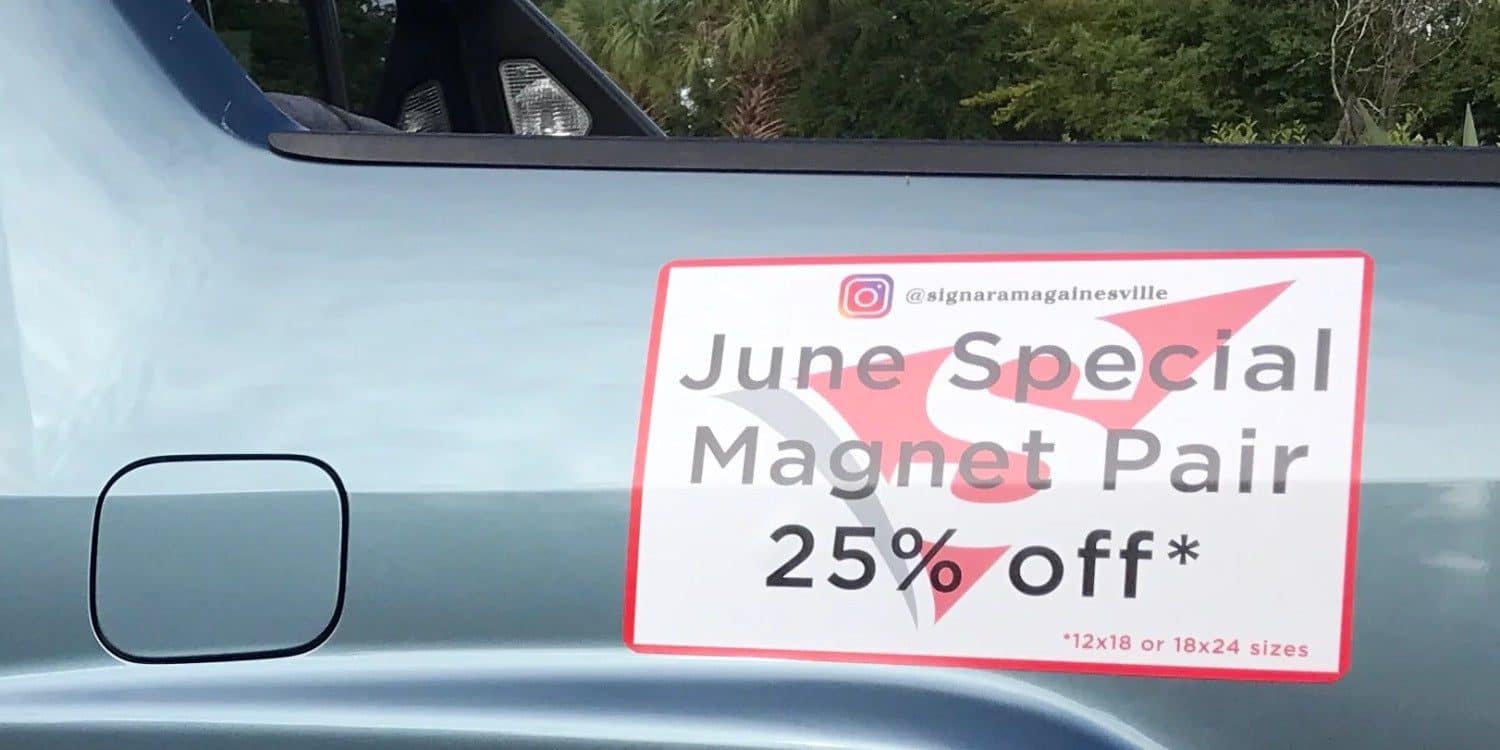
Yes. Vehicle wraps and graphics can display branding, services, contact information, or promotional messages while the vehicle travels between locations.
What is the difference between outdoor advertising and signage?
Outdoor advertising means paid media seen in public spaces, like billboards and transit ads. Business signage is linked to specific businesses or properties. It can identify, inform, direct, or promote.