










A business can have a strong brand, a well-designed building, and a convenient location yet still be difficult for customers to recognize from the road. Monument signs solve a specific visibility problem by creating a permanent identification point near a property’s entrance. Instead of relying only on signage attached to a building, businesses can use a freestanding structure to make the property easier to recognize, reinforce the brand, and guide visitors toward the correct entrance.
For commercial properties in Milwaukee and Southeastern Wisconsin, monument signs can also serve an architectural purpose. Their materials, proportions, lighting, and placement can be designed to complement the surrounding property rather than functioning as an isolated advertising panel. The right design therefore combines practical identification with a lasting visual presence.
Key Takeaways
- Monument signs provide a permanent way to identify a business or property near its entrance.
- They can improve visibility and make locations easier for customers and visitors to recognize.
- Custom materials and branding allow the sign to complement the property’s architecture.
- Illuminated monument signs can extend visibility into evening hours where permitted and appropriate.
- They are particularly useful for business parks, offices, retail centers, medical facilities, campuses, and multi-tenant properties.
- Good placement, readable design, suitable materials, and local zoning compliance matter as much as the sign itself.
What Is a Monument Sign?
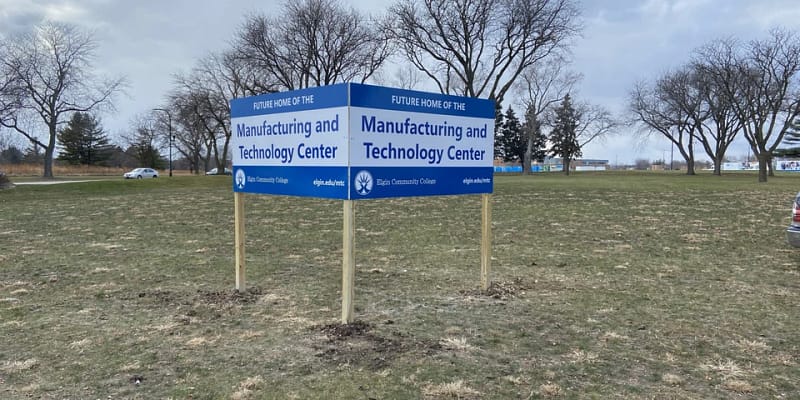
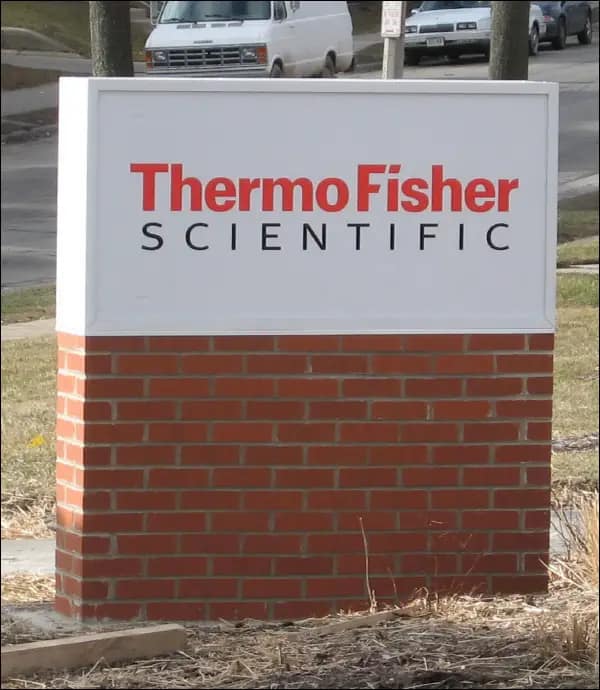
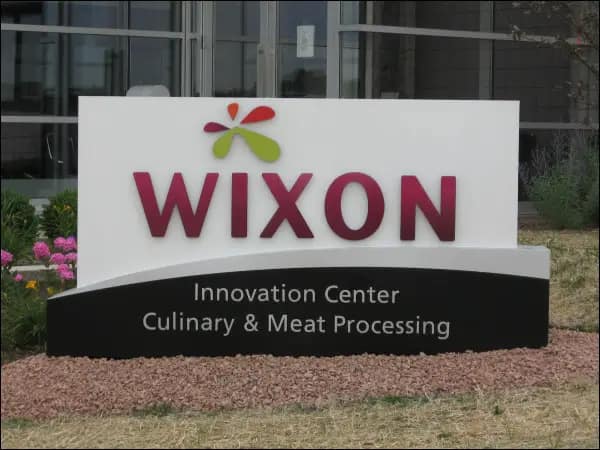
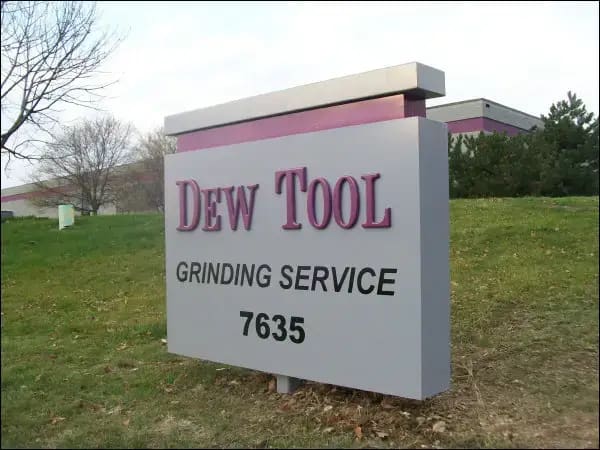
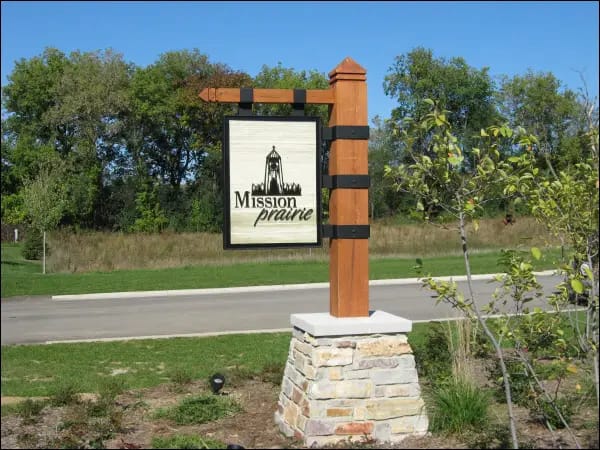
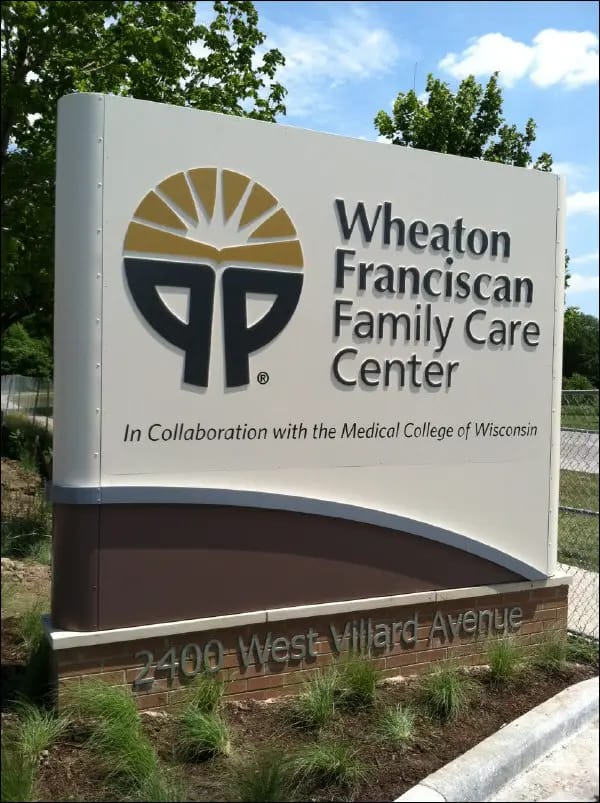
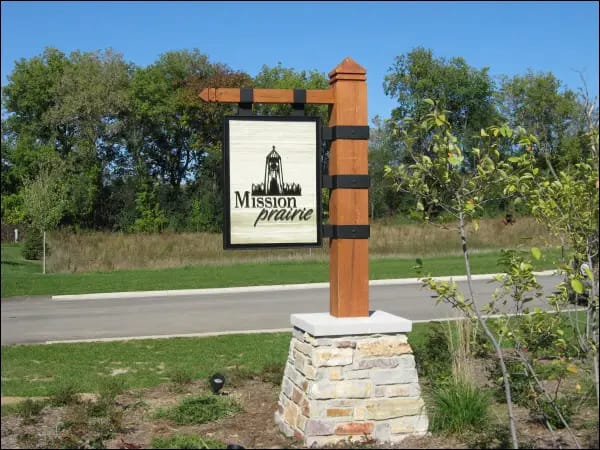
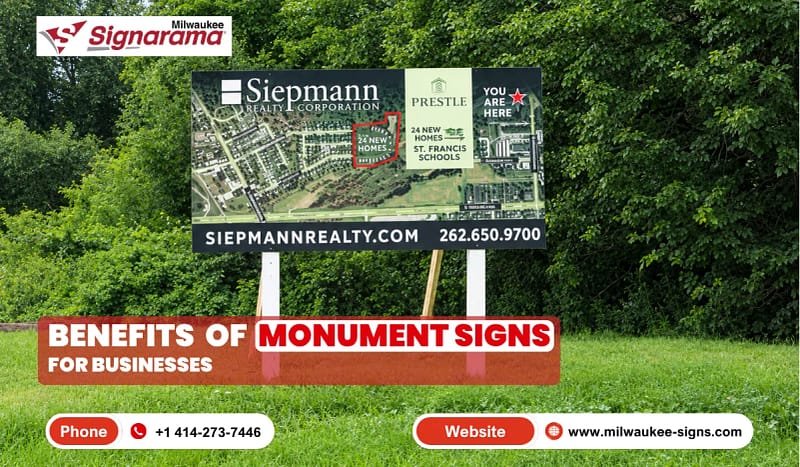
A monument sign is a freestanding sign supported by a solid base or foundation rather than attached to a building. The City of Milwaukee describes a monument sign as a type of freestanding sign supported by a solid foundation or base at least as wide as the sign’s display area.
This construction gives monument signs a lower, more substantial profile than tall pole or pylon signs. They are commonly positioned near property entrances where drivers and pedestrians can see the business name, logo, or property identification before reaching the building. The distinction between a monument sign and a building sign is important. A building-mounted sign primarily identifies the business on the structure. A monument sign can identify the property itself, making it useful when the building is set back from the street, shared by multiple tenants, or difficult to recognize from the main road.
1. Improve Business Visibility From the Road
One of the clearest benefits of monument signs for businesses is their ability to establish a visible identification point close to the road or driveway. A building may be partially hidden by its setback, landscaping, neighboring structures, or the angle from which traffic approaches. A properly positioned monument sign can put the business name and logo in a more useful viewing location.
The goal is not simply to make the sign as large as possible. Effective visibility depends on factors such as viewing distance, traffic direction, surrounding obstructions, contrast, letter size, and the amount of information displayed.
Businesses should evaluate monument-sign visibility based on four practical factors: viewing distance, viewing angle, traffic speed, and message complexity. A sign approaching a high-speed roadway may need simpler messaging and stronger visual contrast than one located along a slower entrance drive. Viewing distance also affects appropriate letter sizing, while the driver’s approach angle determines how quickly the sign can be recognized. Considering these factors before fabrication helps ensure the sign is not only visible but readable within the short amount of time a passing driver has to process it.
For example, a medical office located behind a parking lot may have an attractive building sign that is difficult to see from the street. A well-positioned monument sign can identify the entrance before visitors have to search for the building.
2. Make the Property Easier to Find
Visibility and wayfinding are related, but they are not exactly the same. A monument sign works as a visual confirmation point because it gives visitors a recognizable property marker before they enter the site. When the building is set back from the road or surrounded by parking and landscaping, this ground-level identification can reduce uncertainty about where to turn or whether they have reached the correct location.
This matters for locations with:
- Large setbacks from the street
- Multiple driveways
- Large parking areas
- Several buildings
- Multiple tenants
- Shared commercial entrances
- Business campuses
A first-time visitor should be able to approach the property and quickly answer a simple question: Is this the place I’m looking for?
That makes property identification one of the most practical advantages of monument signage. Directional signs can then handle the next stage of the journey by guiding visitors through parking lots, buildings, or internal roads.
3. Strengthen Brand Recognition
A monument sign creates another physical location where customers encounter a company’s visual identity. The sign can incorporate the same logo, colors, typography, and visual elements used across the business’s other branding. This consistency helps the entrance feel connected to the organization rather than looking like a separate property feature.
The design can also be more architectural than a basic panel. Depending on the property and applicable requirements, a monument sign may incorporate dimensional lettering, masonry, stone, aluminum, or other materials.
The objective is not to put every possible piece of marketing information onto the sign. A monument sign usually works better when the business name and identifying elements are easy to recognize at a glance.
4. Create a More Professional Property Entrance
The entrance is part of a customer’s first physical interaction with a business. A carefully designed monument sign can give the property a more established and intentional appearance. Its base, materials, proportions, lettering, landscaping, and lighting can work together to create a cohesive entrance.
This is especially relevant for businesses whose physical environment contributes to customer expectations. Corporate offices, medical facilities, financial institutions, retail developments, and professional campuses may want signage that complements the quality and character of the property.
Milwaukee’s own design guidance recommends that signage fit the context of the site, complement the building, and use an appropriate scale and location. That principle is useful beyond compliance. A sign that belongs visually to the property generally feels more deliberate than one that appears to have been added as an afterthought.
5. Give the Property a Permanent Identification Point
Temporary banners, promotional graphics, and event signs can serve short-term communication needs. Monument signs serve a different purpose. They establish a lasting point of identification for the property. This can be particularly valuable for businesses that expect to remain at the same location for years or for developments where the property itself needs a recognizable entrance.
The permanence does not mean the sign has to remain visually unchanged forever. Some monument systems can accommodate replaceable tenant panels or other changeable elements, making them useful for multi-tenant properties. The important distinction is that the underlying structure becomes part of the site’s identity rather than being treated as temporary advertising.
6. Support Multi-Tenant Properties
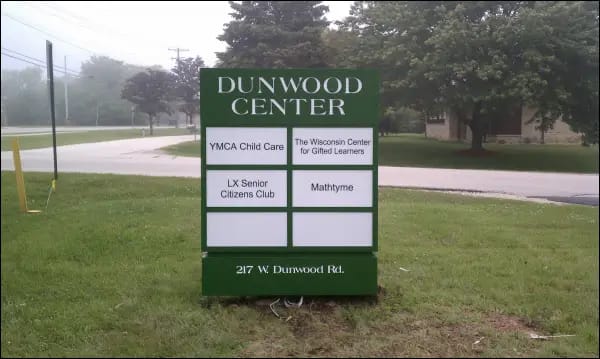
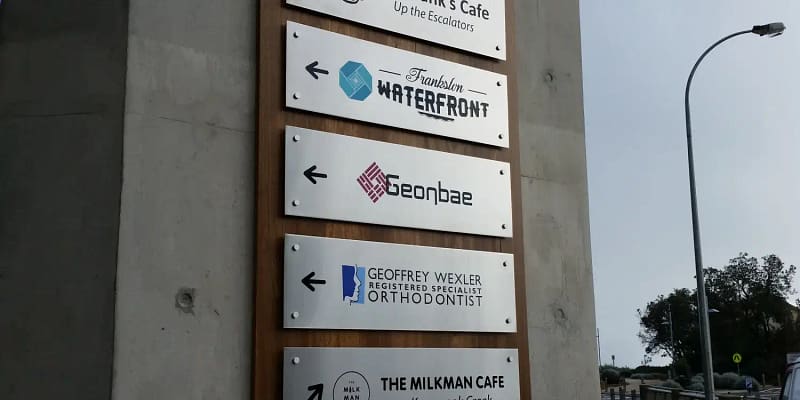
Monument signs can be particularly useful when several businesses share one commercial property. A building directory may identify tenants after visitors arrive, but a monument sign can establish the property’s identity from the street. Tenant panels can also be incorporated into an appropriate design where local regulations and the property’s sign program allow it.
This creates a practical hierarchy:
That structure can reduce confusion without requiring one oversized sign to communicate every detail. For larger developments, the sign can also be designed as part of a broader site-signage system. Milwaukee recognizes Master Sign Program overlays for certain larger, multi-tenant sites, where alternative sign regulations can be used to create greater consistency across the property.
7. Improve Visibility After Dark With Illumination
An illuminated monument sign can continue identifying a property after daylight hours. Lighting options may include internally illuminated lettering or sign elements, as well as external lighting directed toward the sign. The appropriate solution depends on the design, property, surrounding environment, and local requirements.
Illumination can be useful for:
- Medical facilities with evening appointments
- Restaurants and retail properties
- Office properties with after-hours activity
- Apartment communities
- Schools and institutions
- Commercial properties with evening traffic
The purpose should be clear visibility, not excessive brightness. Milwaukee’s sign regulations include requirements concerning illumination, including shielding light sources so they do not create prohibited visibility or glare conditions.
8. Choose Materials That Match the Property
Another advantage of custom monument signs is the range of materials and finishes available. A business can choose materials based on appearance, durability, architecture, maintenance requirements, and budget. Common approaches include masonry, stone, aluminum, and High-Density Urethane (HDU), along with combinations of materials.
For example, a traditional property might use brick or stone to echo an existing façade, while a contemporary office may use aluminum and dimensional lettering for a cleaner appearance. Milwaukee Signs specifically offers masonry and stone structures, HDU construction, aluminum and metal cabinets, and illuminated or digitally integrated monument-sign options.
The important decision is not simply which material looks best in a sample. The material should make sense for the building, environment, desired appearance, maintenance expectations, and intended lifespan of the sign.
9. Account for Milwaukee’s Outdoor Conditions
Outdoor signage in Wisconsin faces conditions that should be considered during design and material selection. Milwaukee properties experience seasonal temperature changes, snow, moisture, freeze-thaw conditions, sunlight, and exposure to road salt. A monument sign is a permanent outdoor structure, so its construction needs to account for the environment rather than treating weather resistance as an afterthought.
Considering weather exposure during design can also contribute to the sign’s long-term value. Materials and construction methods that are appropriate for freeze-thaw cycles, moisture, snow, sunlight, and road-salt exposure can help reduce premature deterioration and maintenance needs. For a permanent identification feature, durability is therefore not separate from value; it is part of ensuring the investment continues to perform and look appropriate over time.
Milwaukee Signs identifies freeze-thaw cycles, road salt, and winter conditions as considerations for monument signage and describes the use of HDU, aluminum, and sealed masonry in its current offering.
This does not mean one material is automatically best for every property. The right specification depends on the design and site. Durability should be evaluated alongside appearance, structural requirements, maintenance, and project budget.
10. Integrate the Sign With the Property’s Architecture
A strong monument sign should look like it belongs at the entrance. That can mean matching brick or stone, repeating architectural shapes, coordinating colors, or using materials that complement the building. Landscaping can also help integrate the sign into the property.
This is more than an aesthetic decision. When the sign’s materials, proportions, and visual details relate to the surrounding property, the entrance can feel more cohesive and intentional. This can strengthen the perceived quality of the property while allowing the monument sign to function as part of the site’s overall identity rather than as a separate advertising element. Milwaukee’s signage guidance explicitly encourages signage that complements the building or site and fits its local context.
For example, a traditional office campus may benefit from masonry that echoes its existing architecture, while a modern medical facility might use clean aluminum construction and dimensional lettering. The sign should reinforce the character of the property rather than compete with it.
Which Businesses Benefit Most From Monument Signs?
Monument signs are not equally useful for every location. They tend to provide the most value when property identification from outside the building is an important part of the visitor experience.
Business Parks and Corporate Campuses
Large campuses often have substantial setbacks, multiple buildings, or shared entrances. A monument sign can establish the identity of the development before visitors enter the site.
Medical Facilities
Patients may be unfamiliar with the property, particularly when a facility has multiple entrances or shares a larger commercial development. Clear entrance identification can make arrival easier.
Retail Centers
A monument sign can identify a shopping center while providing an organized location for tenant identification where permitted.
Schools and Institutions
Schools, educational facilities, and community organizations often benefit from a recognizable entrance marker that can incorporate institutional branding.
Residential Communities
Apartment communities and subdivisions can use monument-style entrance signage to establish the identity of the development.
Industrial and Commercial Properties
Facilities set back from major roads can benefit when the building itself is difficult to identify from passing traffic.
Monument Signs vs. Other Exterior Sign Types
Choosing a sign begins with understanding the job it needs to perform.
| Sign Type | Best Suited For | Typical Role |
| Monument sign | Property entrances | Permanent property identification |
| Building sign | Business façades | Identifying the business on the building |
| Pylon sign | High-visibility roadside locations | Greater height and long-distance visibility |
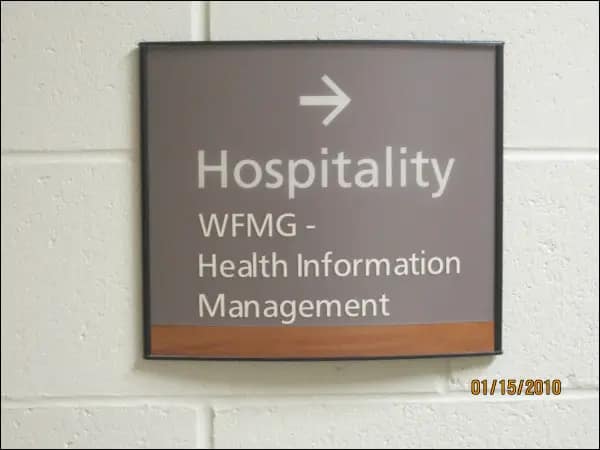
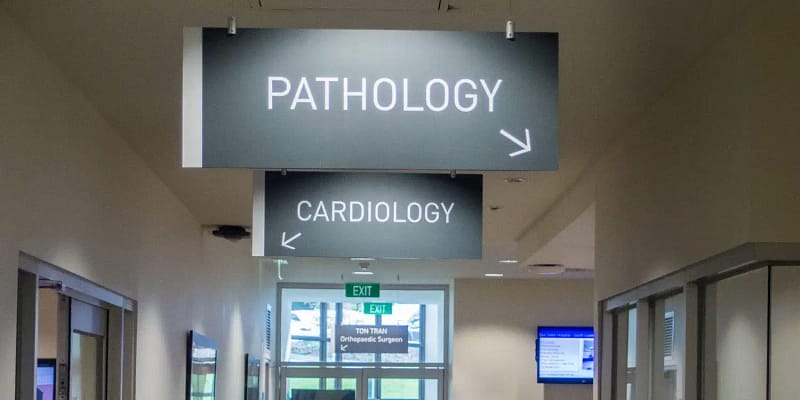
| Directional sign | Parking lots and campuses | Guiding visitors |
| Post and panel sign | Property identification and flexible messaging | Practical ground-mounted identification |
The comparison is not about finding one universally superior sign. Each type solves a different visibility or navigation problem.
For example, a monument sign may identify the entrance while directional signs guide visitors after they enter. A building sign can then reinforce the business identity once the customer reaches the facility.
Milwaukee Signs currently offers monument, directional, post-and-panel, storefront, bracket, and dimensional-letter exterior signage as separate solutions.
What Should Businesses Consider Before Installing a Monument Sign?
The most attractive sign concept can still fail if the site has not been considered carefully.
Start with visibility. Determine where approaching drivers and pedestrians will first see the sign and whether trees, parked vehicles, buildings, traffic infrastructure, or other signs could block it.
Next, consider readability. The sign needs enough contrast, appropriate letter sizing, and a simple visual hierarchy for the intended viewing distance.
Then evaluate placement and regulations. In Milwaukee, sign size, height, location, zoning, and other requirements can depend on the property’s zoning district and other site conditions. The city states that sign permits are required for signs and that applications may need site plans, dimensions, materials, illumination details, and support information.
Finally, consider materials, lighting, landscaping, maintenance, and future changes. Thinking about these factors before fabrication can prevent expensive redesigns later.
How Much Does a Monument Sign Cost?
There is no useful single price for a custom monument sign because the project can vary substantially from one property to another.
A useful way to understand monument-sign pricing is to break the project into its major components: structure and foundation, sign face or dimensional letters, illumination, electrical work, engineering, permitting, and installation. Not every project requires every component, but each can affect the final investment. Site access, excavation requirements, custom architectural details, and existing electrical conditions can also influence the scope of work.
Cost can be influenced by:
- Overall sign dimensions
- Foundation and site work
- Masonry or other structural materials
- Aluminum or HDU components
- Dimensional lettering
- Illumination
- Electrical work
- Digital components
- Engineering requirements
- Permitting
- Installation conditions
- Custom architectural details
The structure and site work can be just as important to the final project cost as the visible sign face.
For that reason, businesses should evaluate monument signage as a complete site project, rather than comparing quotes based only on the size of the sign panel.
No fixed price → cost framework → individual cost factors → final project cost
What Does Monument Sign Installation Involve?
A custom monument sign normally requires more planning than simply attaching a sign to an existing wall.
The process can include a site evaluation, design development, permitting, fabrication, foundation preparation, installation, and electrical work when illumination is included.
For Milwaukee properties, the permitting stage deserves particular attention. The city’s permit guidance indicates that sign applications can require a site plan or survey, sign drawings, materials and illumination details, dimensions, and information about supports or footings.
Milwaukee Signs describes its monument-sign service as covering design, permitting, groundwork, foundation work, fabrication, and installation.
The exact sequence and requirements can vary by property, municipality, sign design, and project scope.
Common Monument Sign Mistakes to Avoid
A monument sign can underperform even when the construction quality is good. The problem is often the planning.
Making the sign too small: A sign that looks balanced on a computer screen may not be readable from the road.
Adding too much information: Drivers and pedestrians need to recognize the main message quickly. Excessive copy reduces visual clarity.
Ignoring sight lines: Trees, landscaping, parked vehicles, or site structures can block an otherwise well-designed sign.
Choosing materials only for appearance: Outdoor conditions, maintenance, structural needs, and long-term performance also matter.
Treating illumination as an afterthought: If nighttime visibility matters, lighting should be considered during the design stage.
Skipping regulatory review: Sign requirements vary by location and zoning district. A design should be evaluated for compliance before fabrication.
Ignoring future tenant changes: Multi-tenant properties may benefit from replaceable identification panels or a sign system designed for future updates.
Are Monument Signs a Good Investment for Your Business?
A monument sign can make sense when your property needs a permanent, visible, professionally designed identification point.
It is especially worth considering when your building sits back from the road, shares a property with other businesses, has multiple entrances, receives visitors who may be unfamiliar with the location, or needs stronger identification after dark.
A monument sign may be less suitable when the property has very limited frontage, poor roadside sightlines, insufficient installation space, strict sign restrictions, temporary tenancy, or highly visible building signage that already provides effective identification. In these situations, another exterior sign type may provide better value or solve the property’s visibility problem more efficiently.
The right decision therefore depends less on whether monument signs are generally “good” and more on whether the sign solves a real problem at your specific property.
For Milwaukee and Southeastern Wisconsin businesses, that decision should account for the site’s visibility, architecture, local requirements, Wisconsin weather exposure, branding needs, and long-term maintenance expectations.
Planning a Monument Sign in Milwaukee?
A monument sign is most effective when its design, placement, materials, branding, and regulatory requirements are considered together. Signarama Milwaukee provides custom monument-sign design, fabrication, permitting, and installation for businesses and commercial properties in the Milwaukee area. Its current service offering includes masonry and stone structures, HDU, aluminum construction, illumination, and digital integration options.
If your property needs a permanent entrance marker, the practical next step is to evaluate the site first, then develop a sign concept around its visibility, architecture, branding, and applicable requirements.
Frequently Asked Questions
What is the main benefit of a monument sign for a business?
The main benefit is permanent property identification. A monument sign can make a business or development easier to recognize near its entrance while reinforcing its visual identity.
Are monument signs good for small businesses?
They can be, provided the property has a genuine need for ground-level identification and enough appropriate space. The sign’s size and design should be based on the site rather than simply making it as large as possible.
Can a monument sign include a business logo?
Yes. Custom monument signs can incorporate logos, dimensional lettering, brand colors, and other identifying elements, subject to the applicable design and zoning requirements.
Can monument signs be illuminated?
Yes. Monument signs can use different illumination approaches, including illuminated letters or other integrated lighting. Local requirements may regulate how illumination is designed and positioned.
What materials are commonly used for monument signs?
Common options include masonry, stone, aluminum, and HDU, as well as combinations of materials. The appropriate choice depends on the desired appearance, site conditions, durability requirements, and budget.
Do monument signs require permits in Milwaukee?
Sign requirements depend on the property and applicable regulations, but the City of Milwaukee states that sign permits are required and that sign size, height, and location are governed by zoning and building requirements.
Are monument signs better than pylon signs?
Not necessarily. Monument signs and pylon signs serve different purposes. Monument signs provide a lower, substantial property entrance presence, while pylon signs are taller and can provide visibility from farther away.
How long does a monument sign last?
There is no universal lifespan. Longevity depends on construction, materials, installation, environmental exposure, lighting components, and maintenance. A suitable design should account for the property’s local climate and intended use.